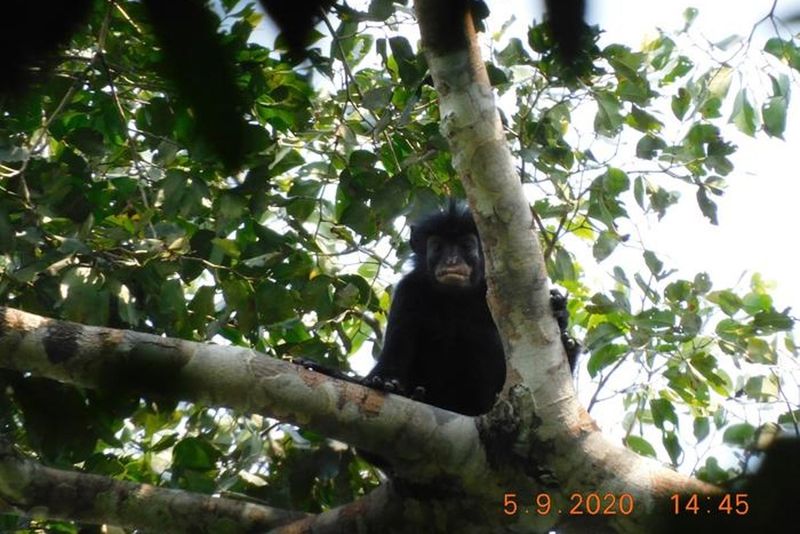
Remarkable new monkey with orange lips and pig-like snort found in Congo Finding a ‘sobering reminder’ that some rare creatures may vanish before we even know they exist, researchers say The Independent UK · Jul 16
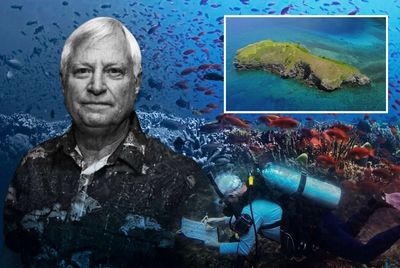
Marine Biologist Kent Carpenter Death Probe Turns to Inner Circle: Detectives Now Eye His Partner and Brother Philippine police shift probe focus on murder investigation of marine biologist Kent Carpenter to partner and brother, following forensic evidence that contradicts initial claims of a home invasion. International Business Times UK · Jul 15
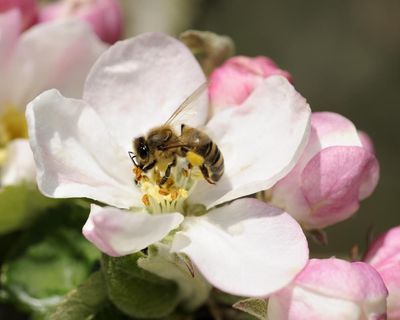
Food supplements could help bees cope with climate crisis, research suggests Insects in study fared better in cold when given a probiotic and prebiotic mix alongside their usual sugar diet The Guardian - UK · Jul 15
Greater gliders not as great at gliding as thought – but still look like magic carpets, experts say While new study challenges assumptions about how far they travel, witnessing them in action still takes your breath away, scientists say The Guardian - AU · Jul 15
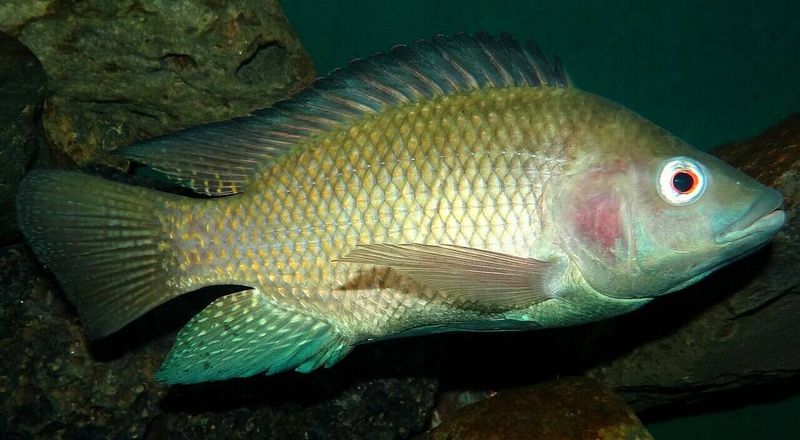
Invasive fish do far more than eat native species; a review of 149 studies finds they can shift clear lakes into murky, nutrient-rich water that may be hard to restore Invasive fish species are altering freshwater ecosystems by disturbing lakebeds. This disturbance releases nutrients, causing uncontrollable algae blooms that block sunlight. Native plants die, removing natural filtration and sediment stability from the water. Restoring these damaged lakes requires long-term interventions and careful biosecurity policies. Understanding these interconnected freshwater systems is… The Times of India · Jul 15
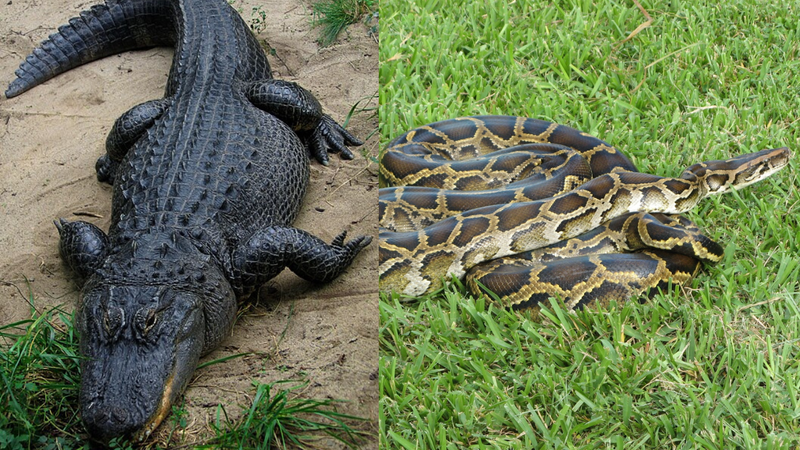
A Florida alligator has been filmed eating an invasive Burmese python in the Everglades, a rare glimpse of a native predator turning the tables A remarkable video captured an alligator devouring a Burmese python in the Everglades of Florida, highlighting the ability of native predators to combat invasive species. Burmese pythons have caused a drastic decline in mammal populations within this unique ecosystem. Florida has implemented various removal programs and ongoing research to tackle… The Times of India · Jul 14
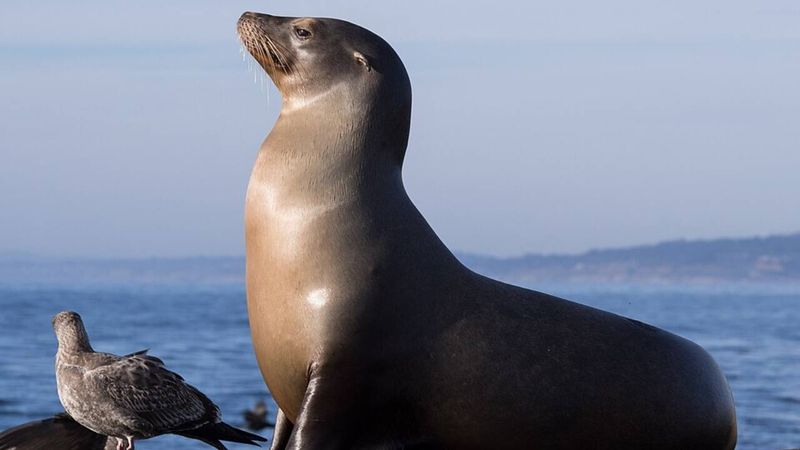
US wildlife managers allowed targeted removal of sea lions after they learned to ambush threatened salmon below dams, forcing officials to balance marine mammal protection with fish recovery California sea lions prey on endangered salmon at Bonneville Dam, creating a conservation conflict. Dams unintentionally concentrate migrating salmon, offering an easy hunting ground for marine mammals. Wildlife managers face difficult decisions balancing protected species under federal laws. Relocation efforts proved futile as sea lions repeatedly returned to the river.… The Times of India · Jul 14
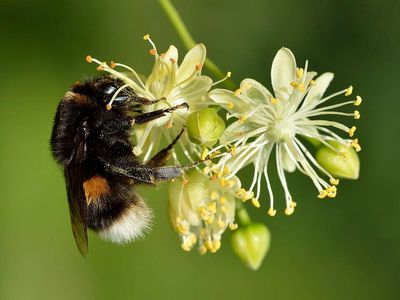
Heavy traffic turns flower-rich road verges into bumblebee traps, and in southern Sweden, scientists found dead bees outnumbered live ones at about 4,000 vehicles a day Flower-covered roadsides attract bumblebees but become ecological traps with heavy traffic. A Swedish study found increased bumblebee mortality along busier roads. Nests were found near quieter roads offering similar floral resources safely. Conservation efforts should prioritize low-traffic roads for pollinator protection. Natural meadows remain the best habitats for bumblebee activity… The Times of India · Jul 14
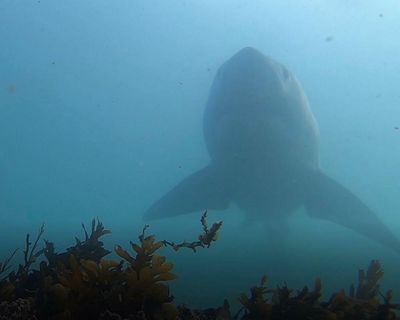
California faces highest shark numbers in years as great whites head north El Niño climate phenomenon heating waters off Mexico but incidents with humans remain a rarity The Guardian - US · Jul 14
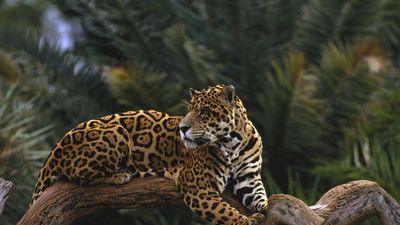
Argentina lost jaguars from its Iberá wetlands nearly 70 years ago, but conservationists have now brought the country's largest wild cat back through an ambitious rewilding project Jaguars have returned to Argentina's Iberá wetlands after a 70-year absence. Conservationists released a female jaguar and her cubs into Gran Iberá Park. This reintroduction is part of a broader rewilding effort to restore ecosystems. The project aims to re-establish a self-sustaining jaguar population in the region. This initiative helps… The Times of India · Jul 14
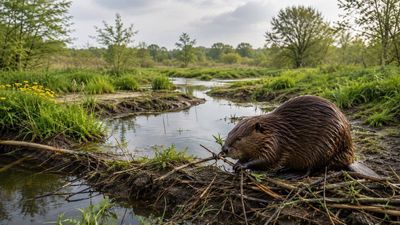
Britain hunted beavers to extinction around 400 years ago, but they are now returning to England's wetlands to rebuild rivers and restore disappearing ecosystems For generations, the sound of a beaver working along an English waterway was something found only in history books. The animals that once shaped rivers and wetlands across Britain disappeared after centuries of hunting, leaving behind only traces of their former presence. Now, a new chapter has begun in Dorset,… The Times of India · Jul 14
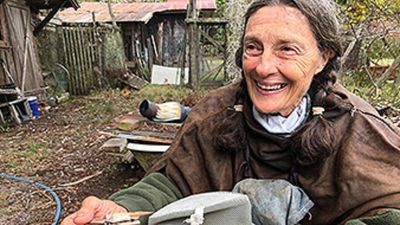
Meet Carol Ruckdeschel: 84-year-old 'wildest woman in America' who has been living on an island for the 53 years in order to preserve nature for the future Carol Ruckdeschel has lived on Cumberland Island for 53 years, preserving its natural state. She meticulously documents the island's diverse flora and fauna in her field journals. Her dedication led to legislative changes protecting sea turtles from shrimping trawlers. Ruckdeschel sustains herself by living off the land and off the… The Times of India · Jul 14
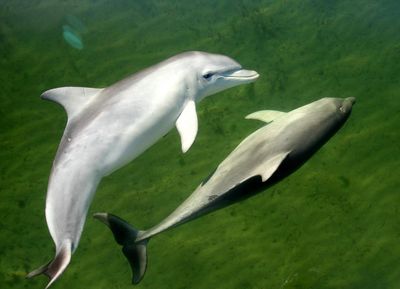
Dolphin deaths in South Australia spike after algal bloom decimates food sources The marine disaster may be linked to a high number of dolphin deaths in the region, scientists say The Guardian - AU · Jul 13
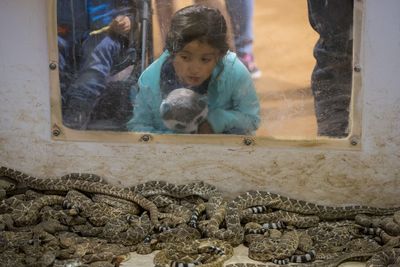
The Myth That Baby Rattlesnakes Are More Dangerous Than Adults Has Been Formally Debunked A new Loma Linda University study debunks the baby rattlesnake danger myth — adults inject far more venom and cause worse bites. Here is what to know if you encounter either one. Medical Daily · Jul 13
The Times of India · Jul 13 Britain bought 1,525 acres of nearly lifeless farmland for £13.8 million; four years later, beavers are helping it make money A farm in Lincolnshire is evolving into a lucrative wildland endeavor, with beavers playing a pivotal role in this ecological project. The initiative focuses on demonstrating that restoring nature can lead to substantial private income. Current revenue streams are generated through carbon removal and biodiversity credits, with aspirations to draw…
The Times of India · Jul 13 Japan introduced black bass in 1925 to improve sport fishing, but scientists now say the invasive predators transformed Lake Biwa and drove native fish into decline Japan introduced North American black bass for tourism, which disrupted native ecosystems. These predatory fish aggressively hunted endemic species, causing significant population declines. The ecological damage threatened ancient freshwater habitats and traditional fisheries. Authorities classified the fish as invasive, restricting their spread and implementing removal efforts. Restoring the lakes now…
The Times of India · Jul 13 Why New Zealand forests look like a galaxy filled with glowworms at night By day, many of New Zealand's forest tracks appear unremarkable. Ferns crowd the undergrowth, damp rock faces line narrow paths and streams cut through thick vegetation. Yet after sunset, some of these same places take on an entirely different appearance. Tiny blue-green points of light begin to emerge from banks,…
The Times of India · Jul 13 Snow loss in the Italian Alps could shrink the stoat’s habitat by 36%, and scientists say its main prey may shift uphill at a different rate Reduced snow cover may shrink stoat habitats by thirty-six percent by century's end. Warming temperatures also impact the stoat's white winter camouflage, making it vulnerable. Changes in snow vole distribution will further disrupt alpine ecosystems and predator-prey dynamics. Mountain wildlife faces significant risks as species adapt to rising temperatures. This…
The Times of India · Jul 13 40 times heavier & thousand times larger than a blue whale: Meet Pando, the world's biggest living organism Pando, a Utah aspen grove, is the world's largest living organism by weight. This clonal colony consists of genetically identical stems connected by a vast root system. Scientists believe Pando originated from a single seed thousands of years ago. However, heavy browsing by deer and cattle hinders its natural regeneration.…
The Guardian - UK · Jul 13 Country diary: Phacelia is the most useful plant – I always have a packet for my garden Allendale, Northumberland: Farmers use it as cover crop, and I sow it into bare soil – but not before I’ve had a close look at its stunning details
The Guardian - AU · Jul 12 Mushroom trip: a mycologist’s tour of the Tarkine On a three-day fungi workshop in Australia’s largest cool temperate rainforest, Alexis Buxton-Collins unearths an unexpected appreciation for the third kingdom of life
The Independent UK · Jul 12 Experts believe monkeys and apes are key to preventing a sixth mass extinction Researchers are racing to find solutions to stave off such a catastrophic event, which would pose a major threat to the global food supply
The Guardian - AU · Jul 11 In my years of spearfishing, I’ve never encountered more sharks than now. But I know where I stand in the underwater pecking order Below the surface is one of the only places I can switch my brain off. Coming face to face with a shark comes with the territory – and we all have to adapt to this new normal
The Guardian - US · Jul 11 Drones are detecting more sharks at US beaches, but do they make the public safer? Increase in sightings may not reflect increase in sharks with little evidence that threat to swimmers has risen
The Times of India · Jul 11 Mauritius spent more than 40 years removing invasive rats, cats and goats from its offshore islands, helping endangered seabirds return after decades Off the coast of Mauritius sit a string of small, mostly uninhabited islands that once told a very different story than they do today. For decades, animals brought there by ships, rats, cats, goats and rabbits among them, quietly wiped out native plants and drove seabird colonies to near collapse.…