Get Premium
Dark mode theme is available exclusively for premium users. Learn more about the benefits of subscribing.
No fees, cancel anytime.

 Dark Mode Ad-Free Browsing Unlimited Content
 Ad-Free Browsing Unlimited Content Dark Mode
Join 1.2 million Panda readers who get the best art, memes, and fun stories every week!
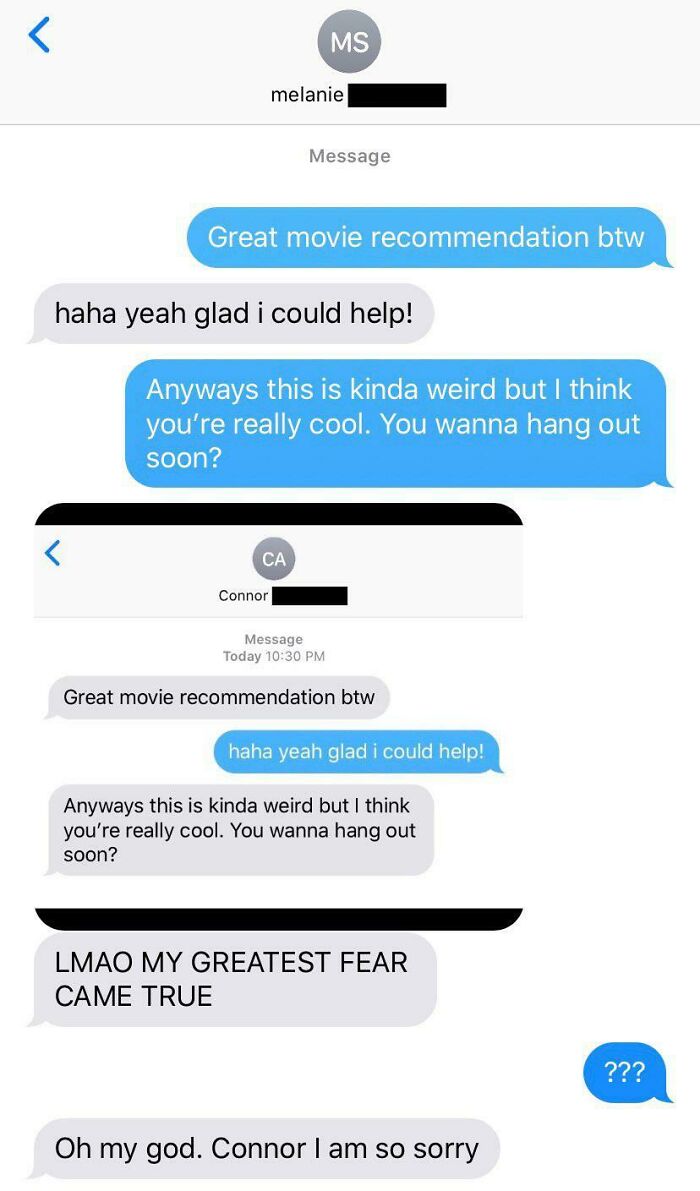
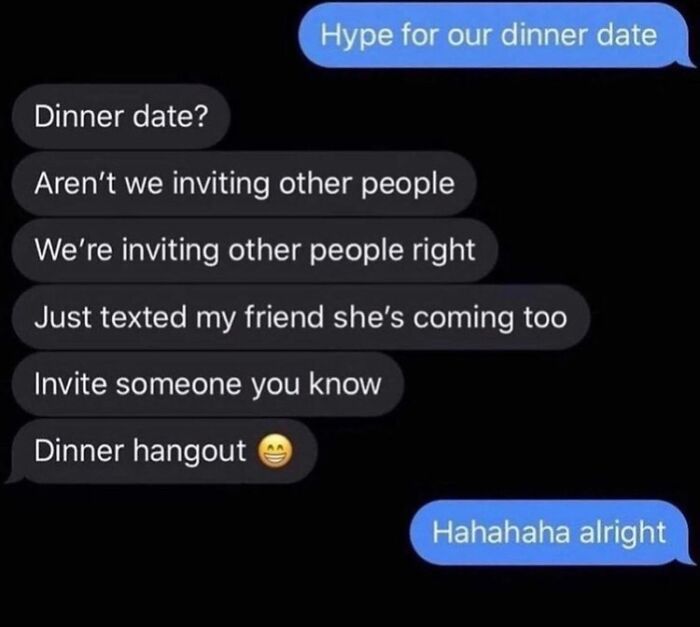
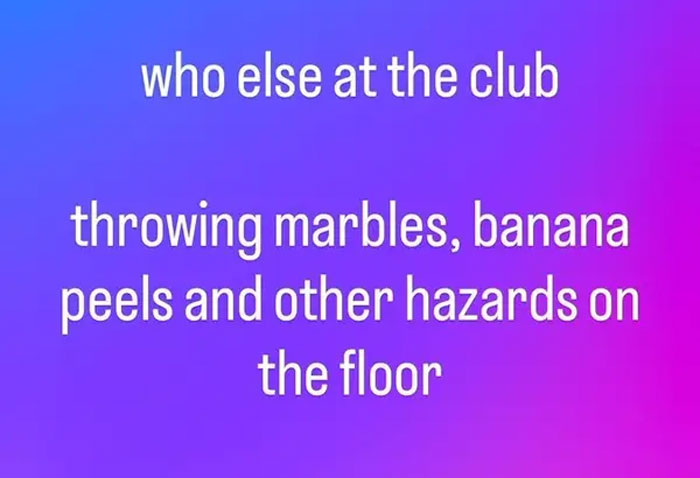
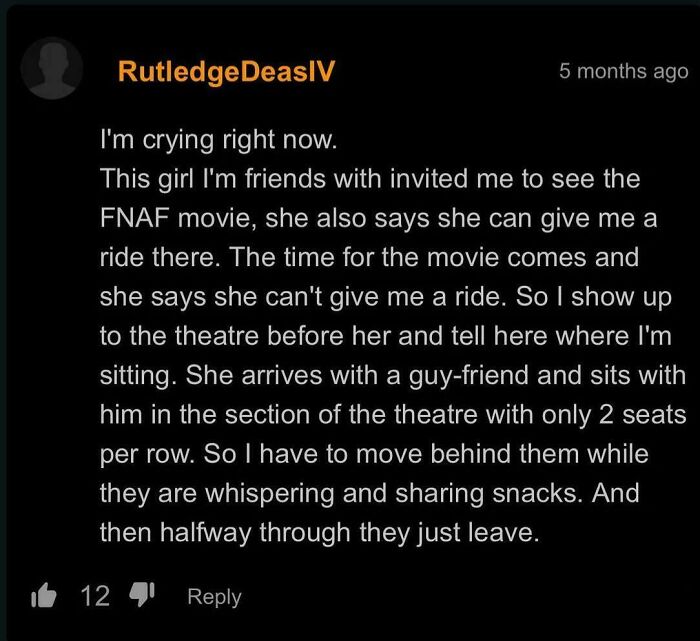
We all come across things online that we want to remember for one reason or another. Sometimes they make us laugh, while other times they horrify us so much that we just have to save the evidence. So we take a screenshot and keep it for later. But then, more often than not, we never actually look at it again.
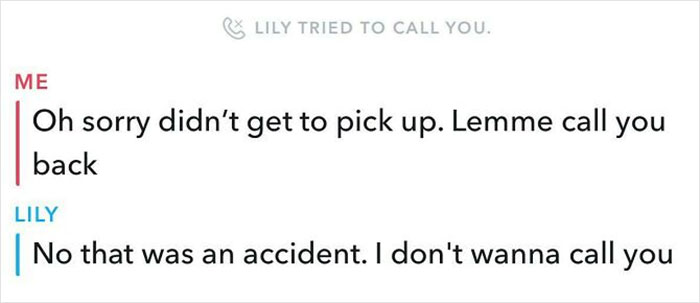
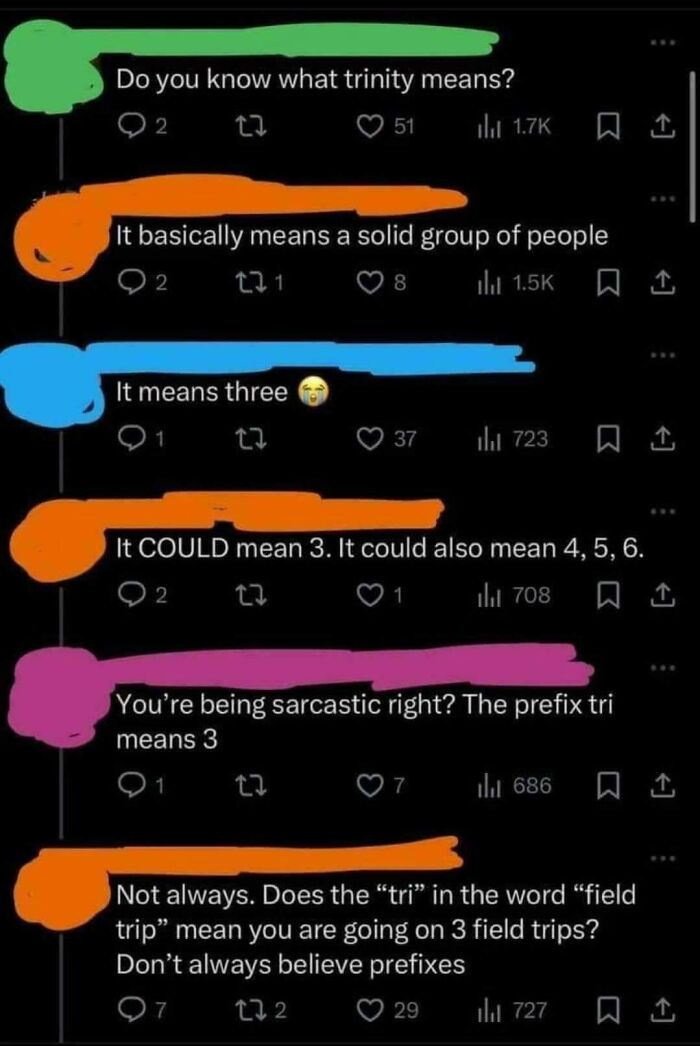
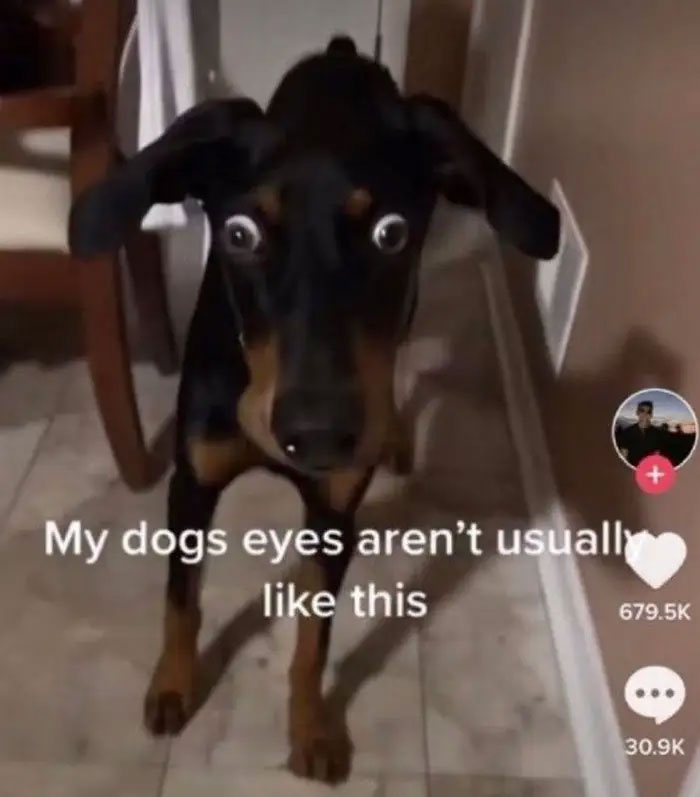
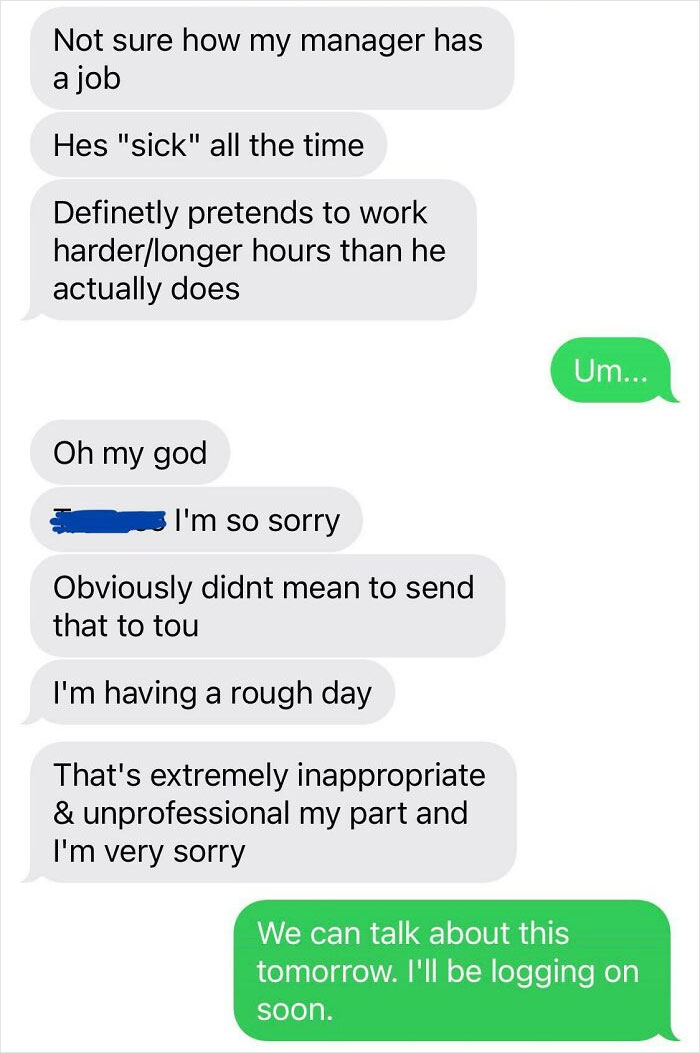
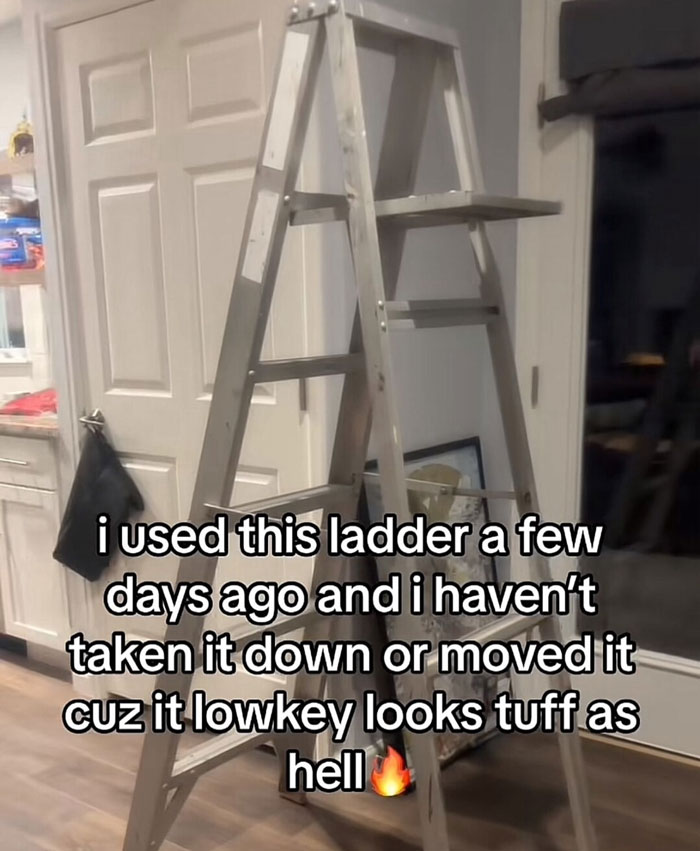
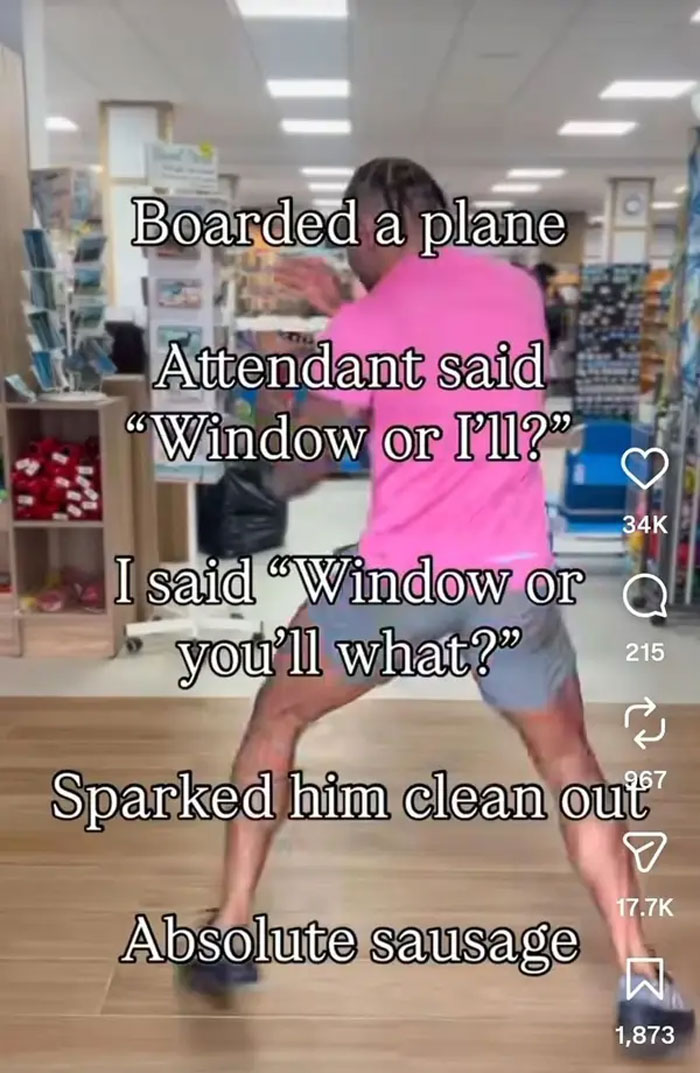
Well, we decided to put some of those forgotten gems to good use. We gathered a collection of dumb, funny, bizarre, and completely random screenshots from around the internet. Scroll down to check them out.
This post may include affiliate links.
These days, our phones can easily end up filled with screenshots of almost everything we see online. Maybe it is a recipe we want to try later or a strange conversation we immediately need to send to a friend. It could also be a funny dating profile or a quote we do not want to forget.
Taking a screenshot barely requires any thought anymore. We press a couple of buttons, feel a gentle buzz, and whatever was on the screen is suddenly sitting in our camera roll alongside all our regular photos.

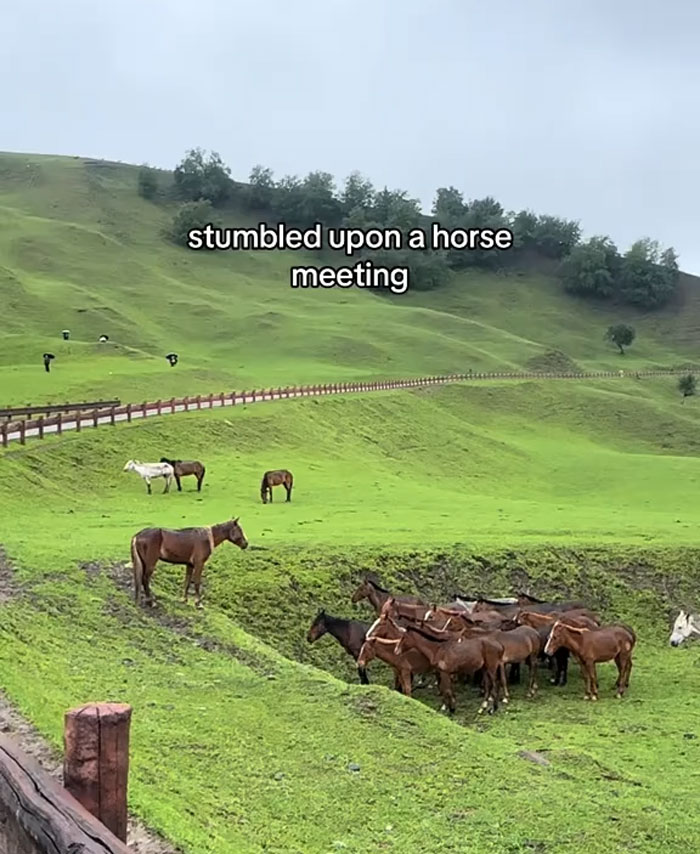
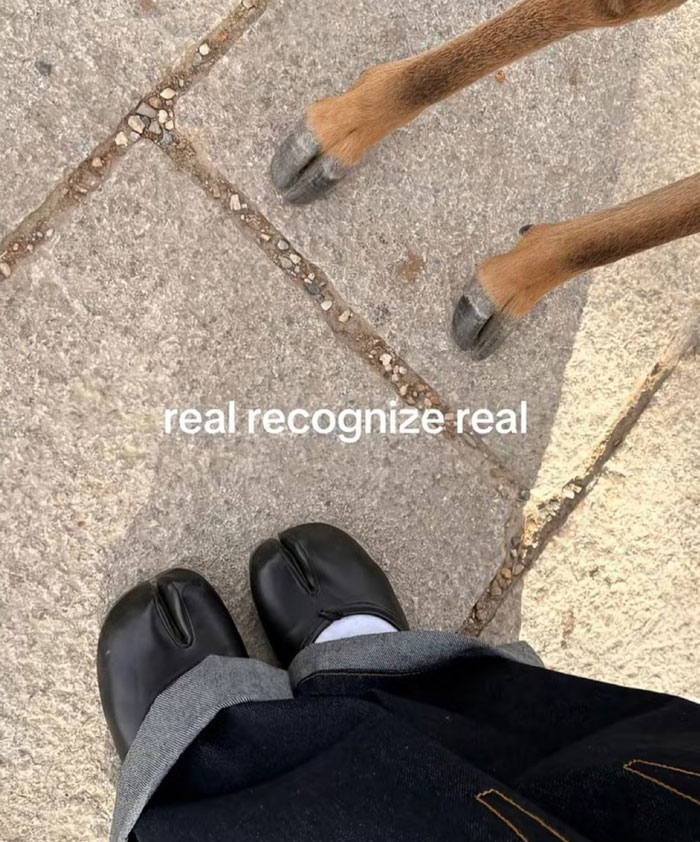
And every vote's going the same: All neighs. I see myself out.
For something that feels so ordinary, the modern screenshot is surprisingly recent. According to Vice, the iPhone became the first mobile phone to include a built-in screenshot function in 2007, with Android following in 2011.
Still, while the technology itself is fairly new, the idea of quickly copying something we see goes back much further. In fact, you could trace part of its story all the way to the nineteenth century.

You can still be young for that. I visited my grandma and from one year to another the whole wood around her house was gone, like kilometers as she lived far in the wood. That was a chock for a 8 yo
In 1832, French Brazilian inventor Hercules Florence developed a photographic process designed to reproduce printed materials. His method used paper with tiny holes punched into it, allowing light to create a copy on another specially prepared sheet.
Of course, there were no phone screens involved yet. Still, the basic purpose echoed what screenshots do today: take existing information and turn it into a copy that can be viewed somewhere else.
A much more recognizable ancestor of the screenshot appeared more than a century later. Vice reports that the first known photograph of a computer screen was taken in 1959.
A programmer had drawn a pin-up model on a huge cathode-ray tube screen owned by the American military, and someone photographed it using a Polaroid camera. The result was an extremely early example of computer art and, technically, a screenshot.
The process was far less convenient than pressing two buttons on a phone, especially considering the computer itself was enormously expensive.

I thought that was milk until I saw the thin line of beer at the bottom.
Around the same time, researchers at MIT were exploring new ways for people to work with computers through an early computer-aided design project.
The technology allowed users to interact with a computer while creating designs, which was a major change from how these machines were usually viewed. Since computers were still rare and difficult for most people to access, photographs of their screens became useful for showing others what the technology could actually do.
These early screenshots were mostly seen by people working in science or programming, but they helped make something happening inside a computer visible to a much wider audience.
By the 1980s, screenshots had started to become more common outside scientific and technical circles, thanks to video games.
Players wanted proof of their high scores, so they photographed their television screens and sent the pictures to gaming companies or magazines.
According to Vice, Activision encouraged players to submit photographic evidence of certain scores in exchange for special patches. Nintendo Power also gave readers instructions for photographing their results and featured top scores in the magazine.
By the 1990s, the process finally began to resemble what we know today. The Print Screen command became a standard computer feature, meaning people no longer needed to point an actual camera at the monitor.
Then smartphones made screenshots even easier to take wherever we happened to be. As more of our conversations and entertainment moved onto screens, screenshots naturally became part of how we saved and shared what happened there.
Now, taking a screenshot is so easy that we often do it without thinking about whether we will ever look at the image again. Our camera rolls fill up with old conversations and random things we found funny months ago. Some get sent to friends immediately, while plenty of others sit forgotten until we stumble across them much later.
It is funny to think that something with roots stretching back through early photography and giant military computers has become one of the simplest things we do on our phones.
And judging by the screenshots in this collection, we have certainly found plenty of ridiculous things worth preserving along the way.

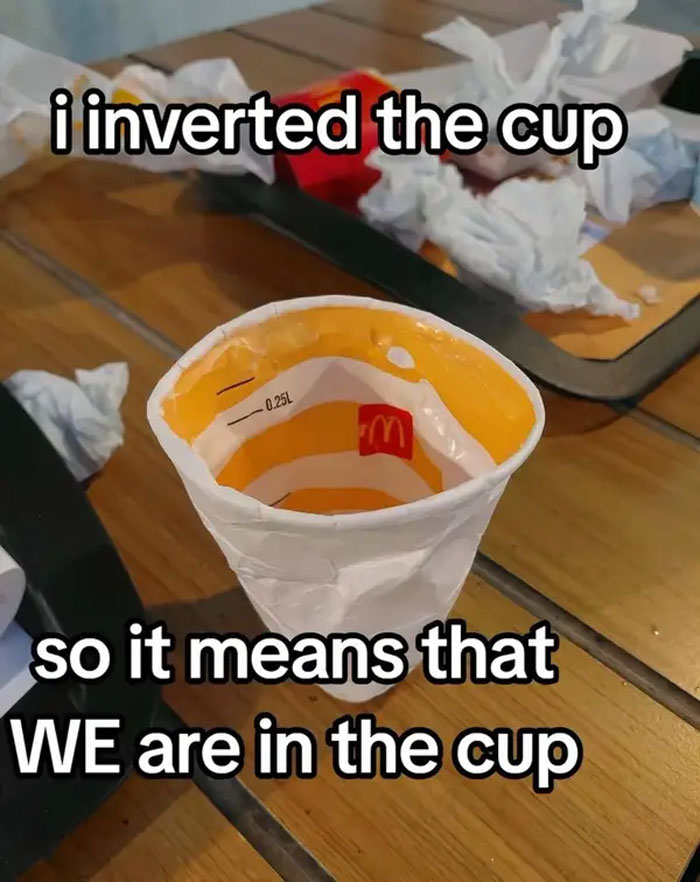
Since that puts the entire world inside the cup, you're now a proud world cup holder.

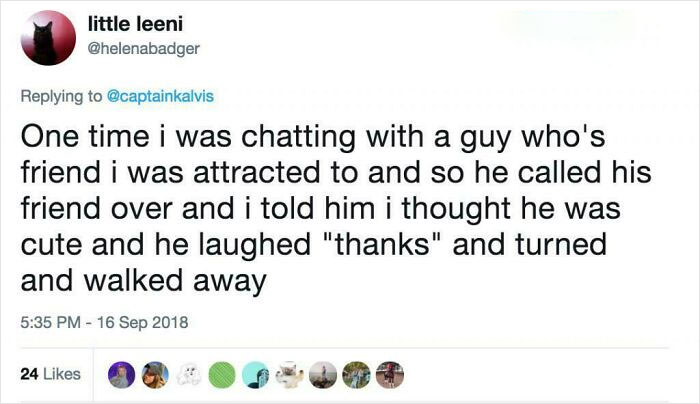
He may not have been uninterested. It is entirely possible that he simply did not connect the dots.
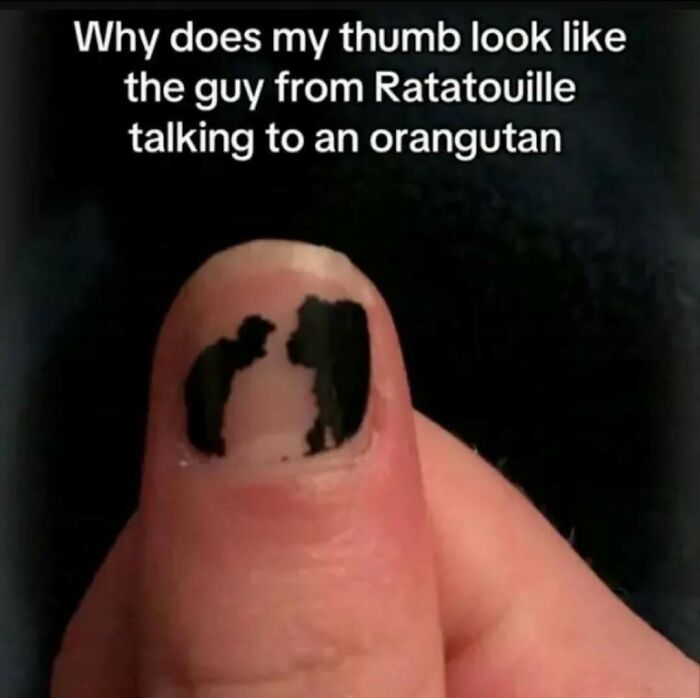
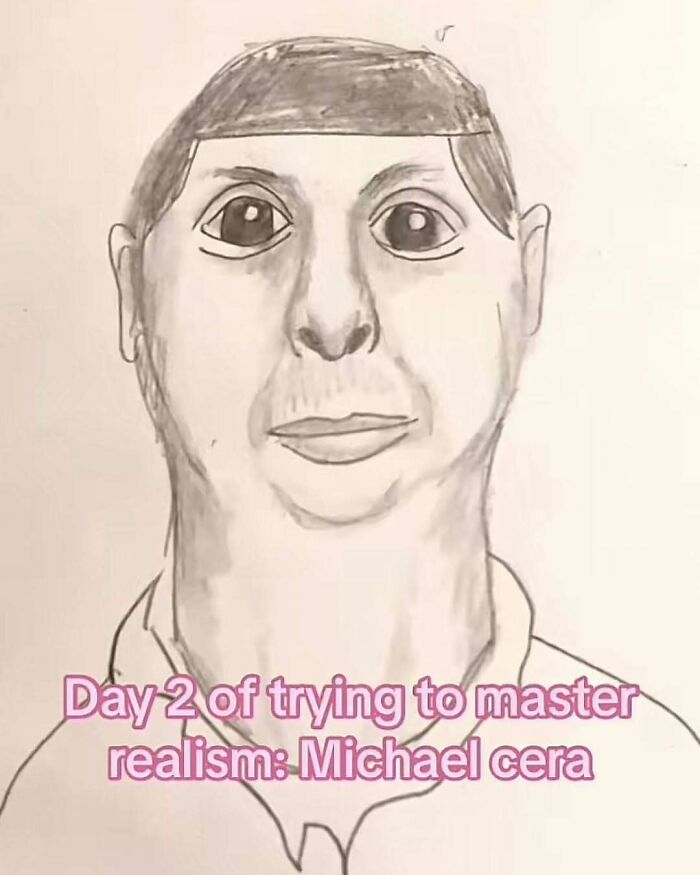
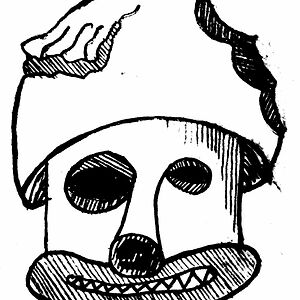
Well now, it DOES look like him. I mean, don't get me wrong, it's horrible. But it really does look like Cera. It's rather worrisome, to be honest.
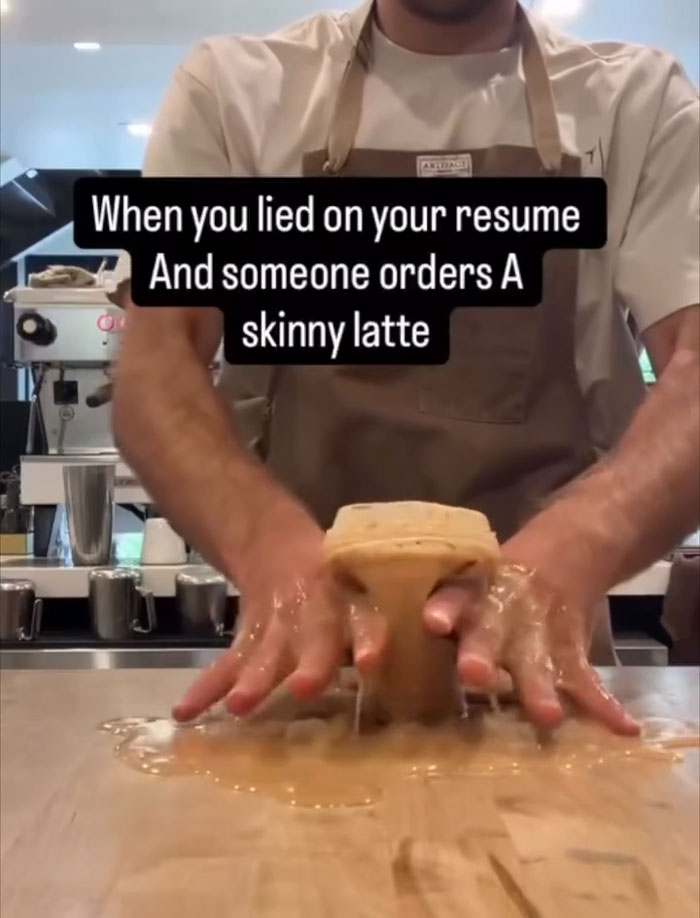
And me thinking it doesn't look like an IED to me. Time for coffee.

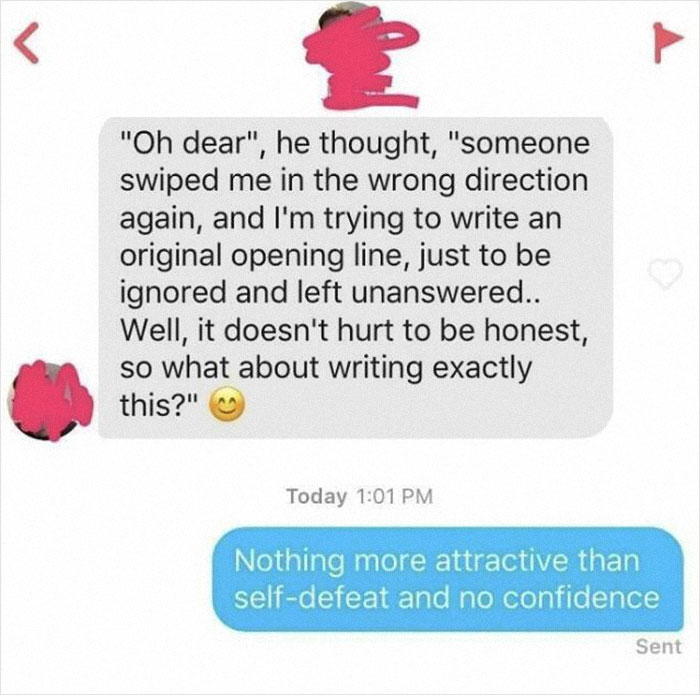
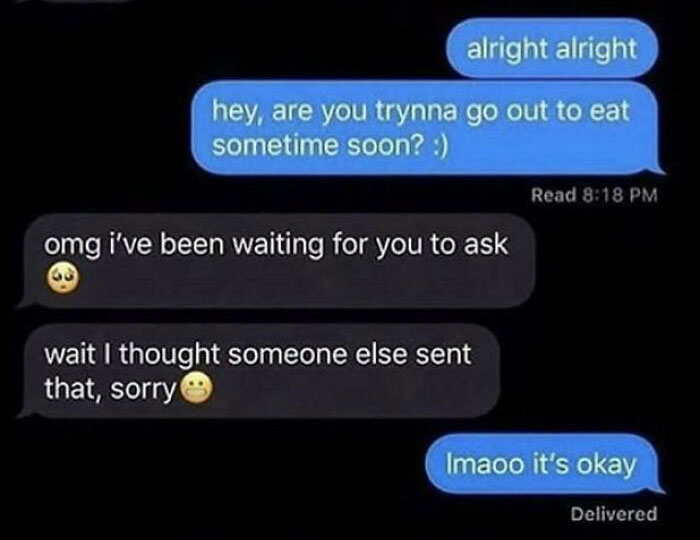
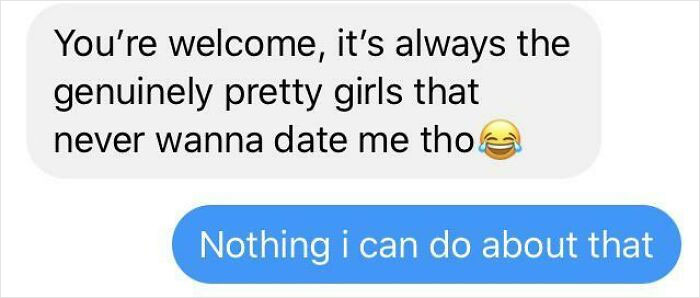
This weird, reverse-negging seems to work just as well as negging did back in the 90's...
It's weird that some males process data like this, so bat s**t alien to me. Women and their significant others aren't on an opposing team. We are all human, humaningly humaning along, don't make it weird.
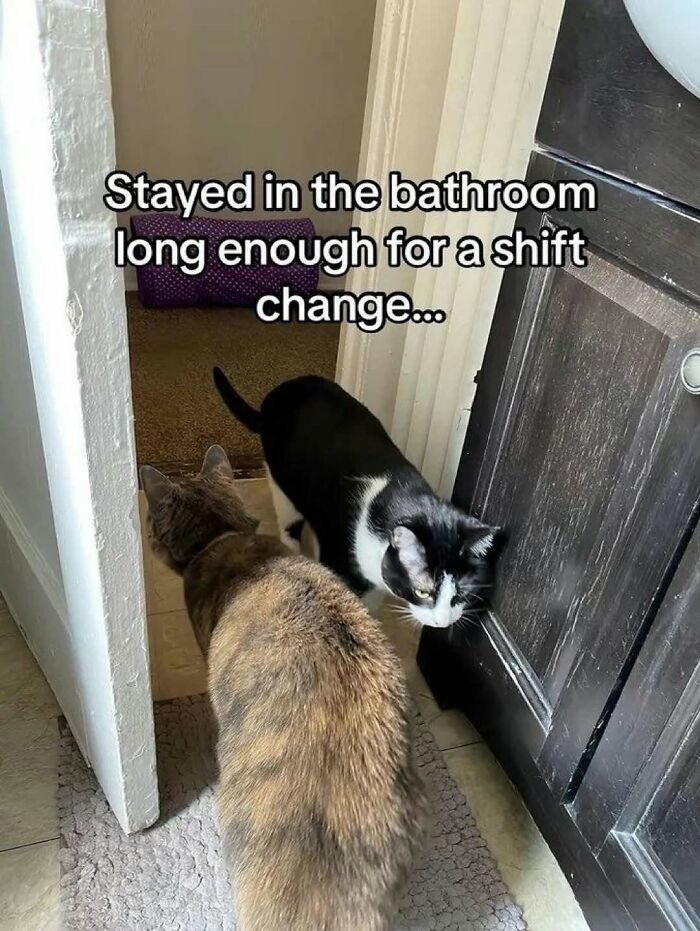
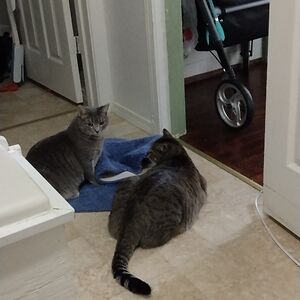
Every cat! And we're batting it all under the sofa!


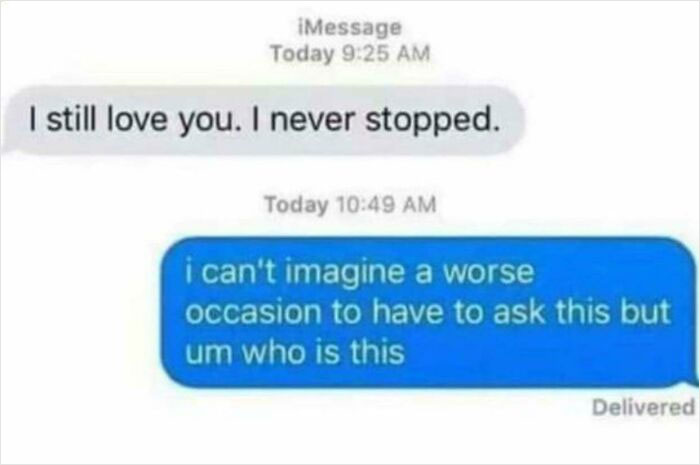
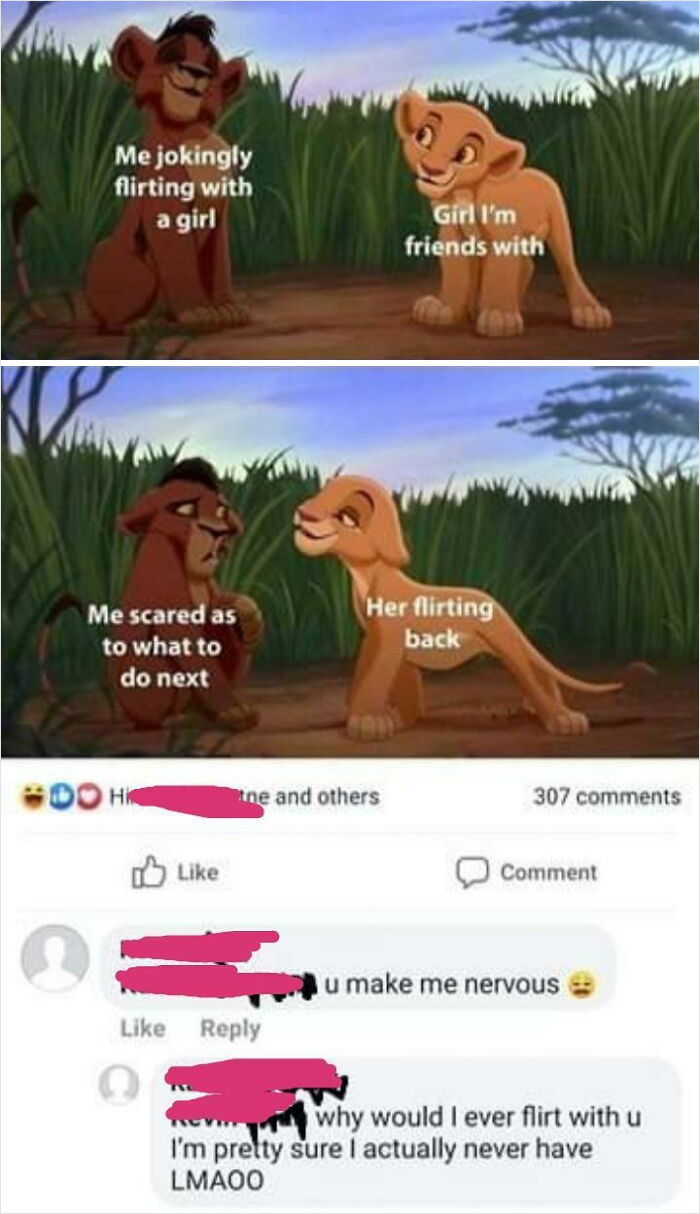
This was half and half. There were some good funny ones. But all the romance rejections? Those are not in the funny or absurd category whatsoever. They are just someone’s pain.

This was half and half. There were some good funny ones. But all the romance rejections? Those are not in the funny or absurd category whatsoever. They are just someone’s pain.





















 No fees, cancel anytime