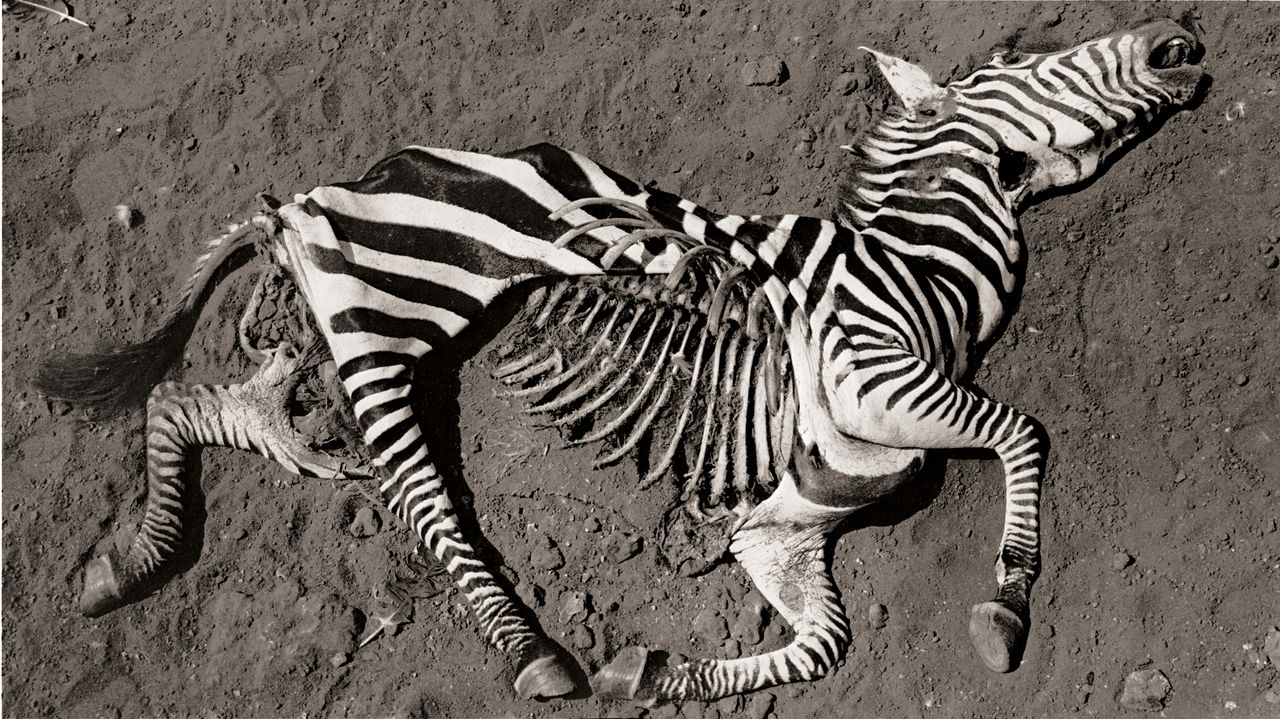
There's a photograph in Peter Beard's The End of the Game that stops you cold. A zebra, mid-collapse, stripes brilliant against dark earth. A lion's paws are already on it. The animal has run, quite literally, to the end. Beard's caption is those very words: A zebra that ran to the end, 1960. No sentiment. No distance. Just the fact of it, witnessed and recorded.
That's what made Beard (1938-2020) different, and why this book – first published in 1965 and now reissued by Taschen in a 2026 edition – still matters. He wasn't shooting wildlife in the conventional sense, and would have bristled at the description. Beard saw himself as an artist and a diarist, not a wildlife photographer; a label he found reductive and, perhaps, a little sentimental.
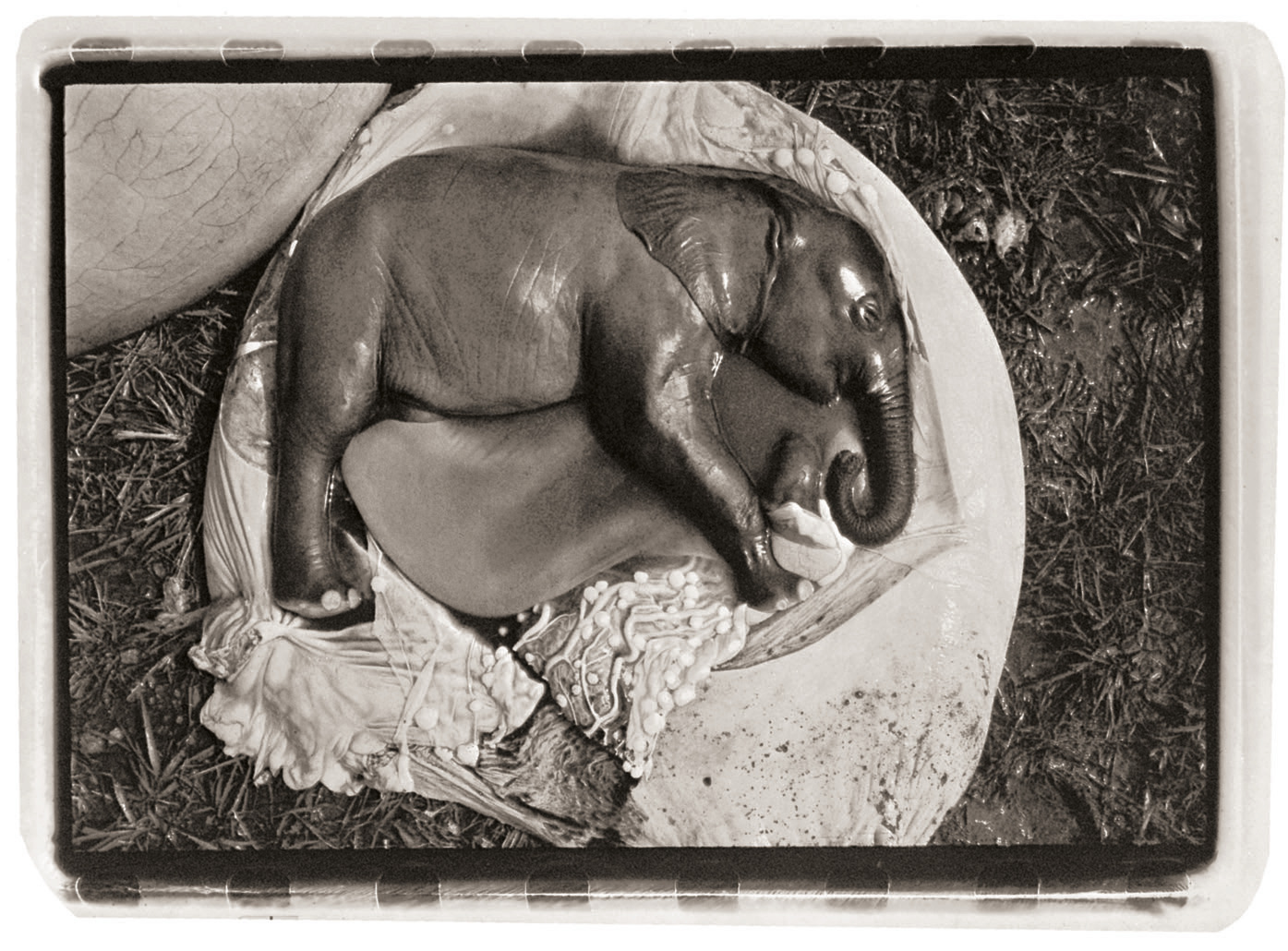
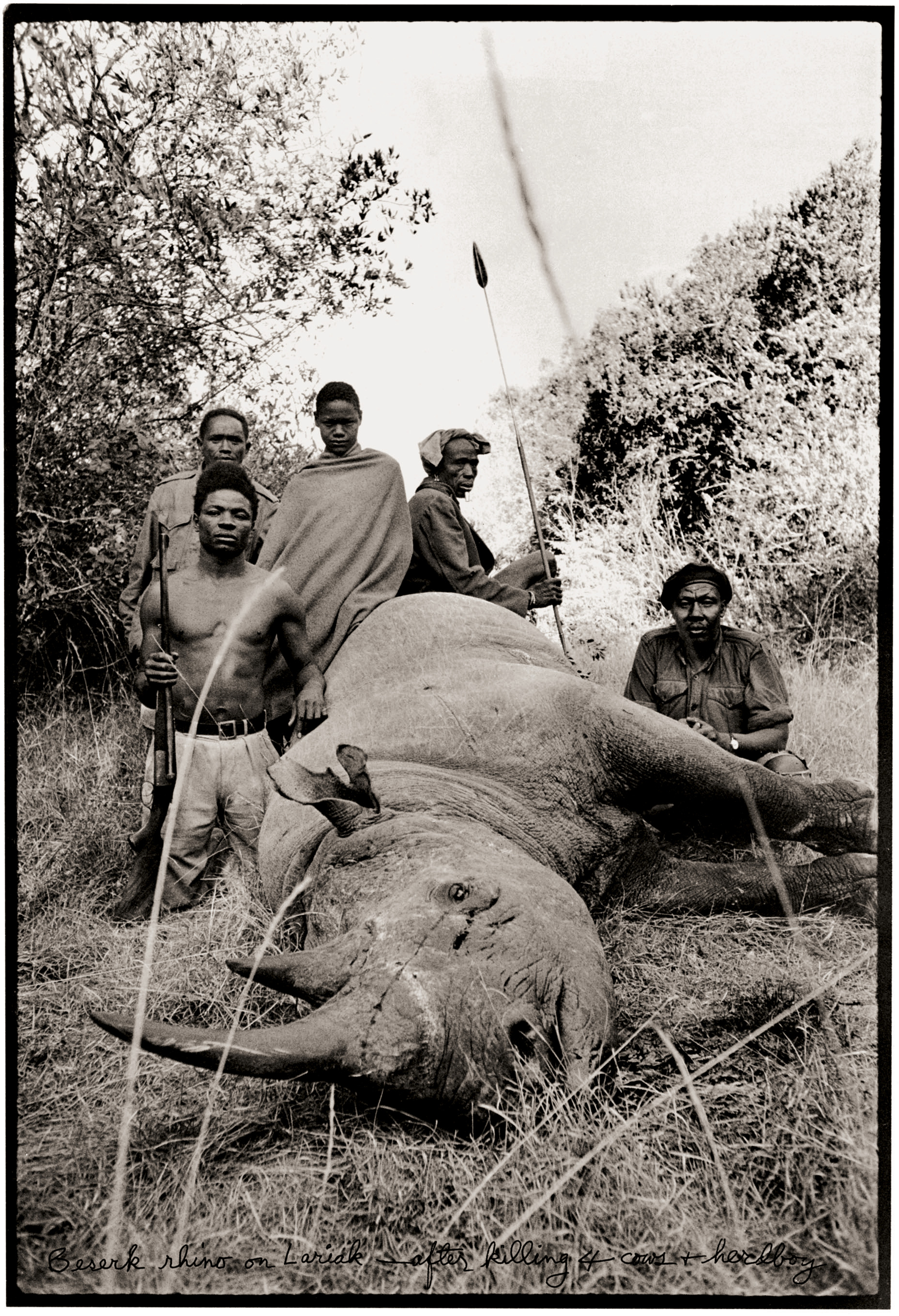
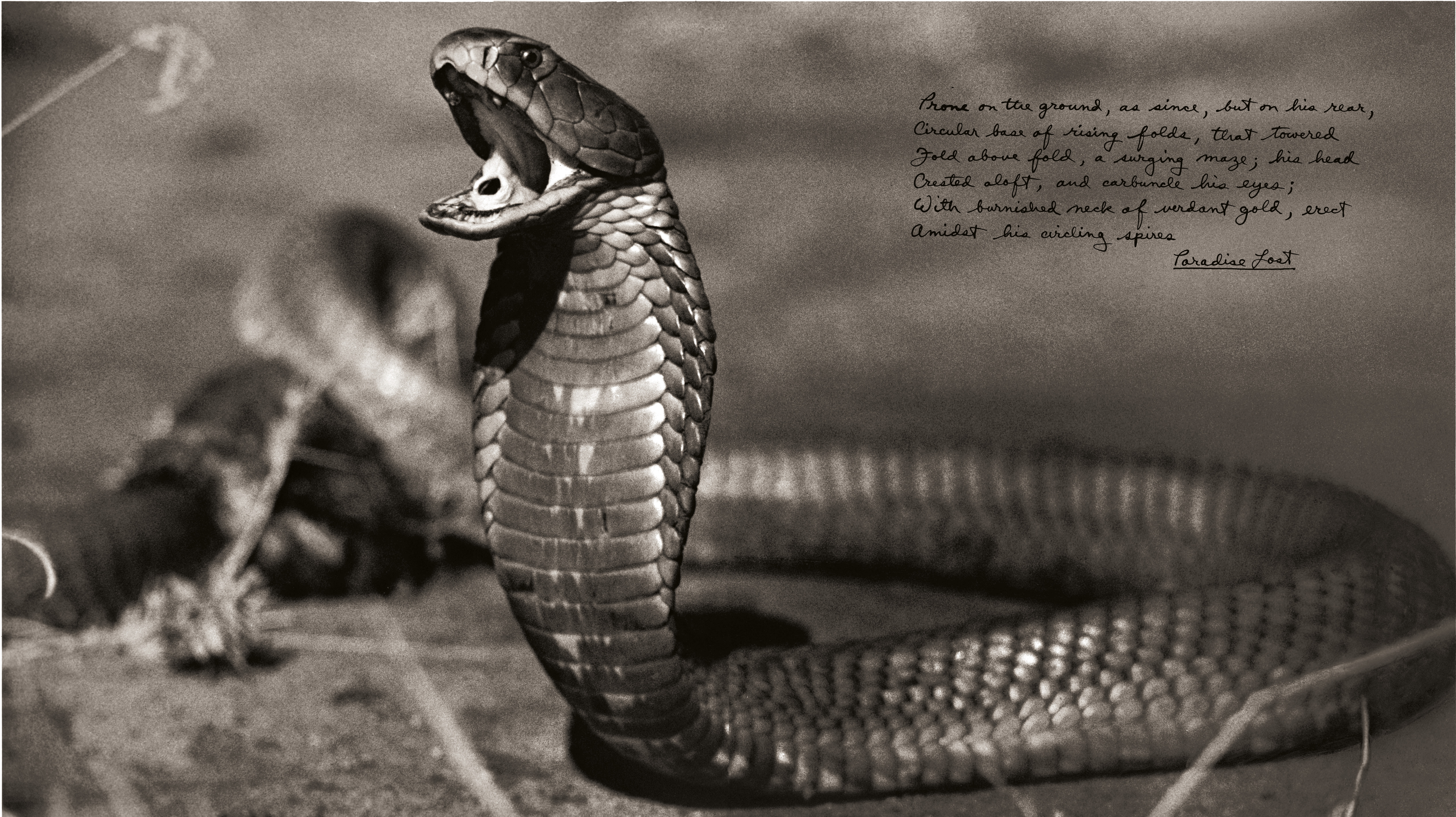
He wasn't after the golden-hour silhouette or the tender maternal moment. He was documenting a system in catastrophic failure: the overpopulation and mass starvation of elephants, and the wider ecological collapse affecting rhinos and hippos, across Kenya's Tsavo lowlands and Uganda's national parks. And he did it with the unflinching eye of someone who understood that the camera's job, first and foremost, is to tell the truth.
What he saw that others didn't
Beard arrived in East Africa in the late 1950s, a Yale-educated American with a restless, voracious intelligence. He'd read Karen Blixen, the Dutch author of 1937's Out of Africa. He'd studied the accounts of Victorian explorers. But nothing prepared him for what he found on the ground.
Vast herds of elephants stripping landscapes to bare dirt, dying in their thousands. Game departments, overwhelmed and underfunded. Colonial administration giving way to independence. with no coherent conservation policy to replace it.
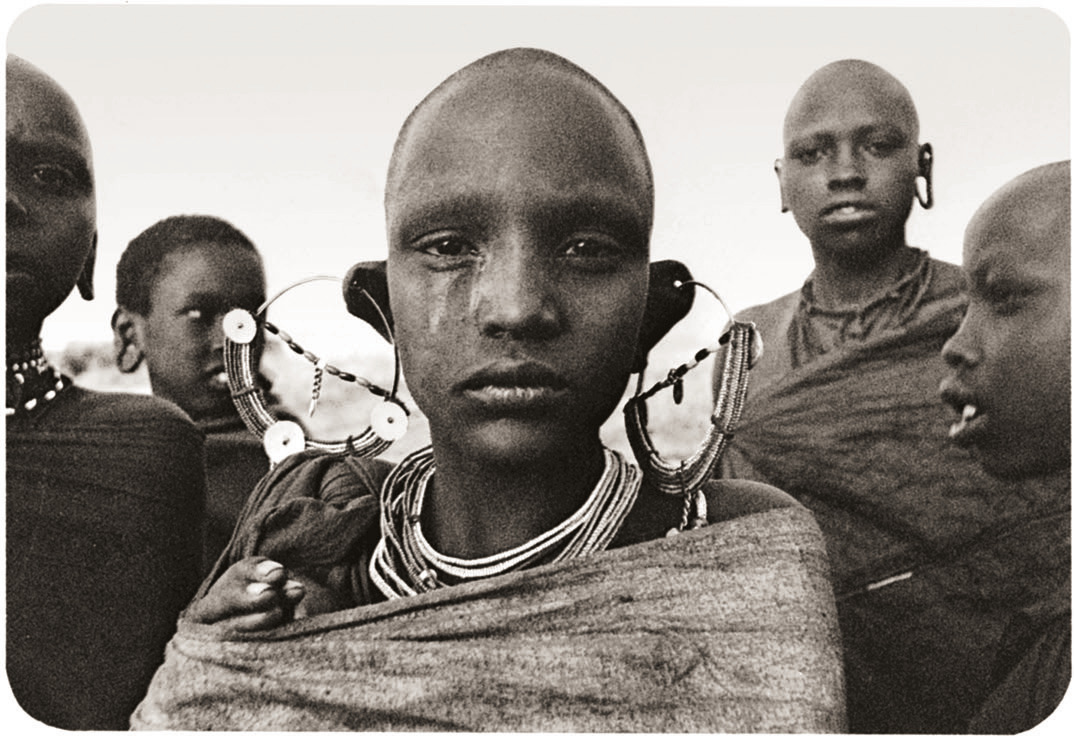
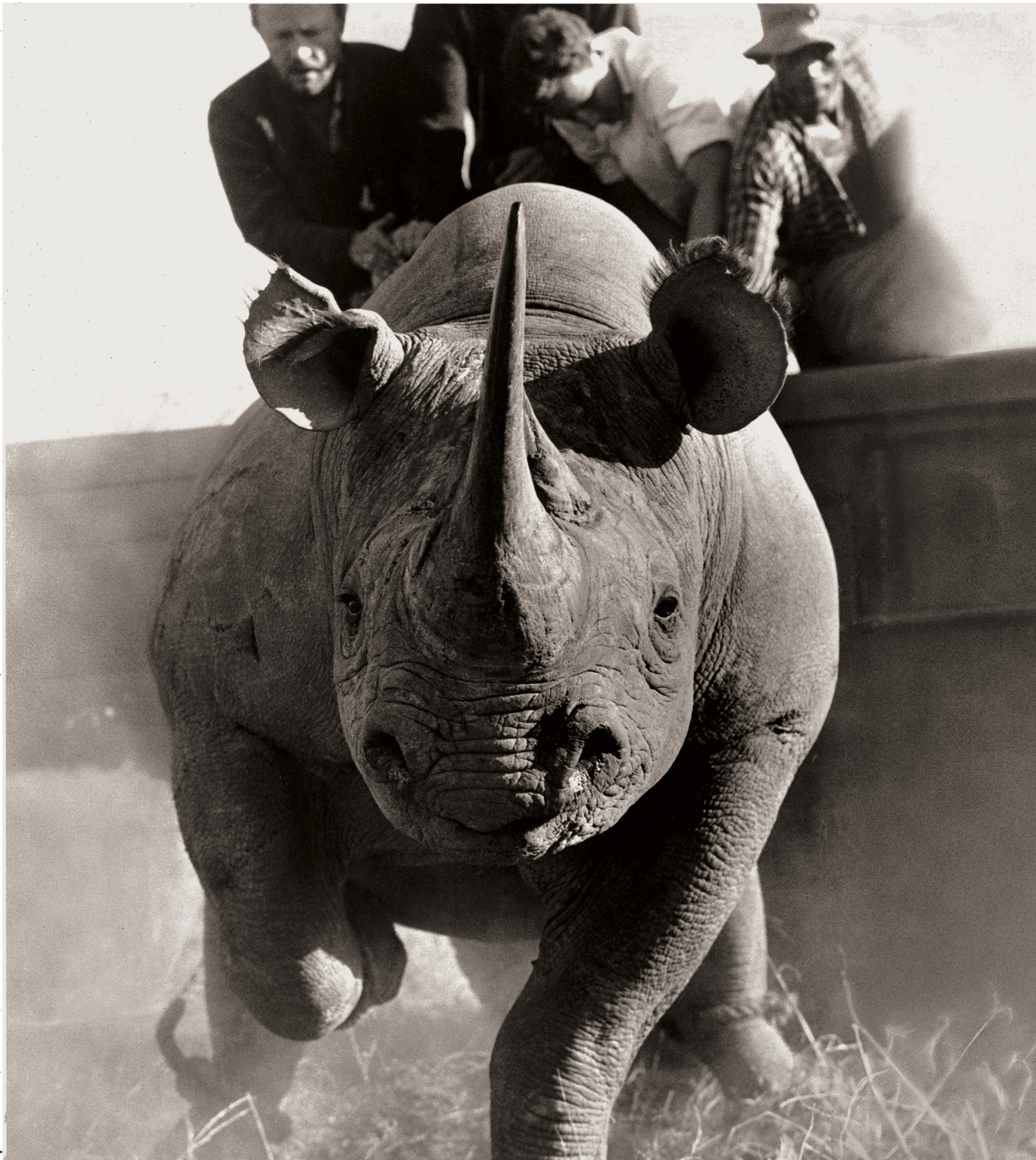
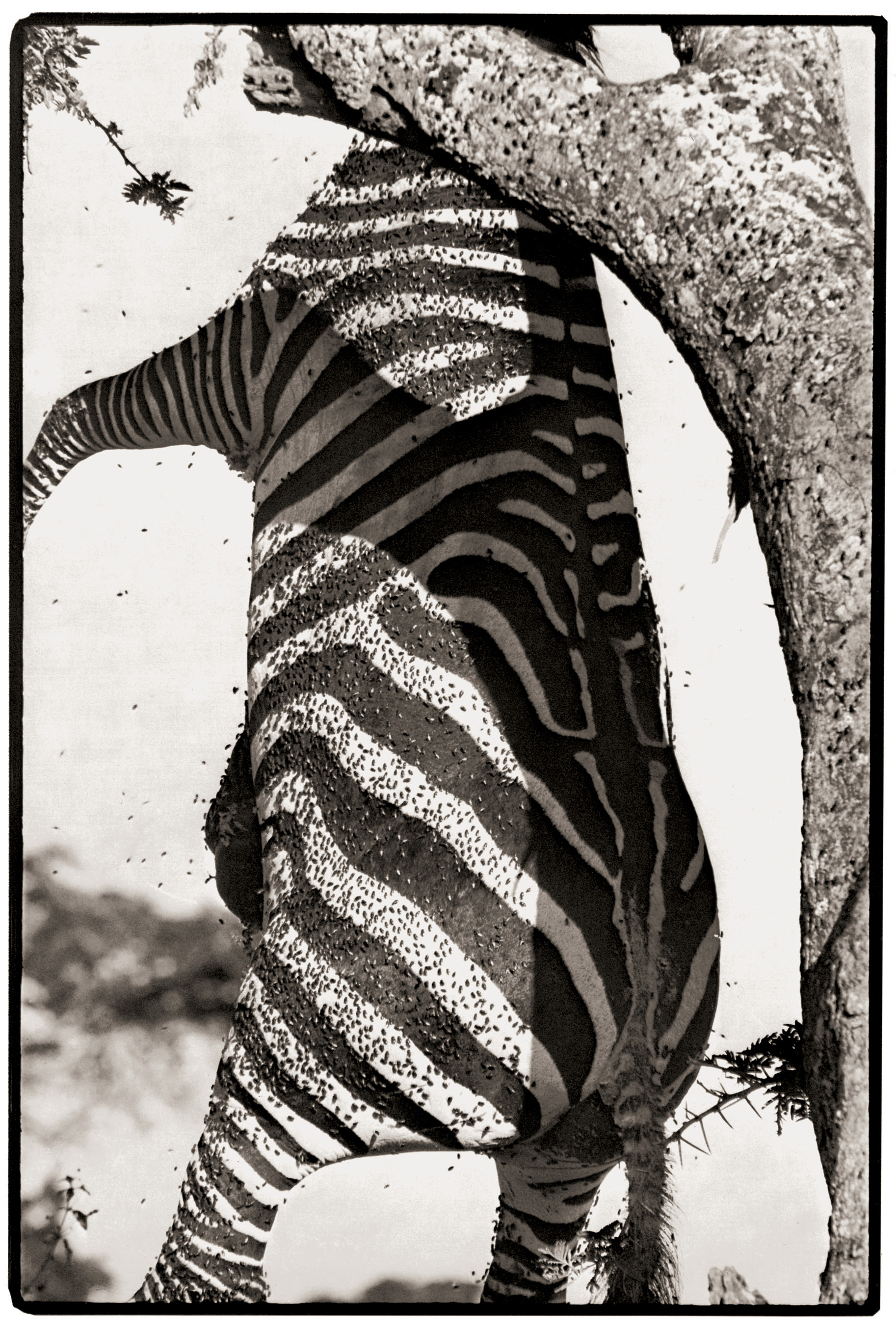
Beard went on to spend two decades researching and photographing the crisis. The images in this book – elephant embryo, roping rhinos, a spitting cobra coiled and mortally wounded, the skull of a Grant's gazelle ascending from the grass like a totem – are not the Africa of the tourist brochure. They are evidence. The images are annotated in Beard's hand, layered with text clipped from expedition journals and naturalist reports, packed into pages that feel more like a legal indictment than a coffee-table book.
Photographer as archivist
For working photographers today, there's something instructive in what Beard was doing. At a time when wildlife photography largely meant celebration, he chose accumulation. He was less interested in the single defining frame than in the weight of many: the pattern that emerges from repeated witness. The dead elephants of Tsavo, image after image, build into something that no single photo could achieve.
He was also, by the way, deeply sceptical of the idea that photography alone could change anything. The book is dense with quotations from Theodore Roosevelt, Ernest Hemingway and J.A. Hunter, alongside the cooler analysis of scientists like Dr. Richard M. Laws. Beard wanted context, not just imagery. He understood that a powerful photograph without a story is just a beautiful object.
This 2026 reissue comes with new material, an interview with anti-ivory trade campaigner Dr. Esmond Bradley Martin, and essays by Paul Theroux and Dr. Laws. These additions give the book fresh forensic weight at a moment when biodiversity loss and human-wildlife conflict are accelerating globally.
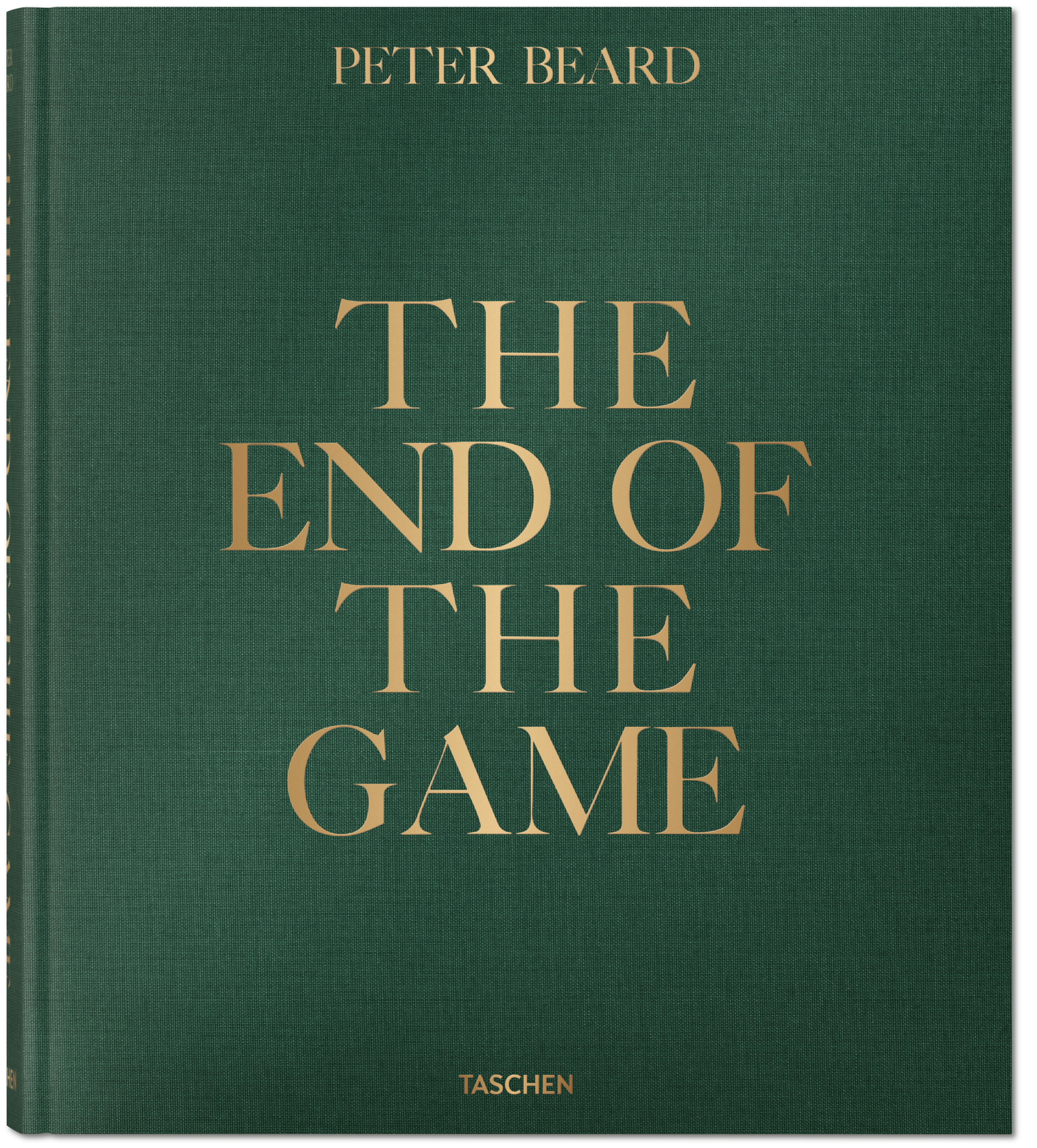
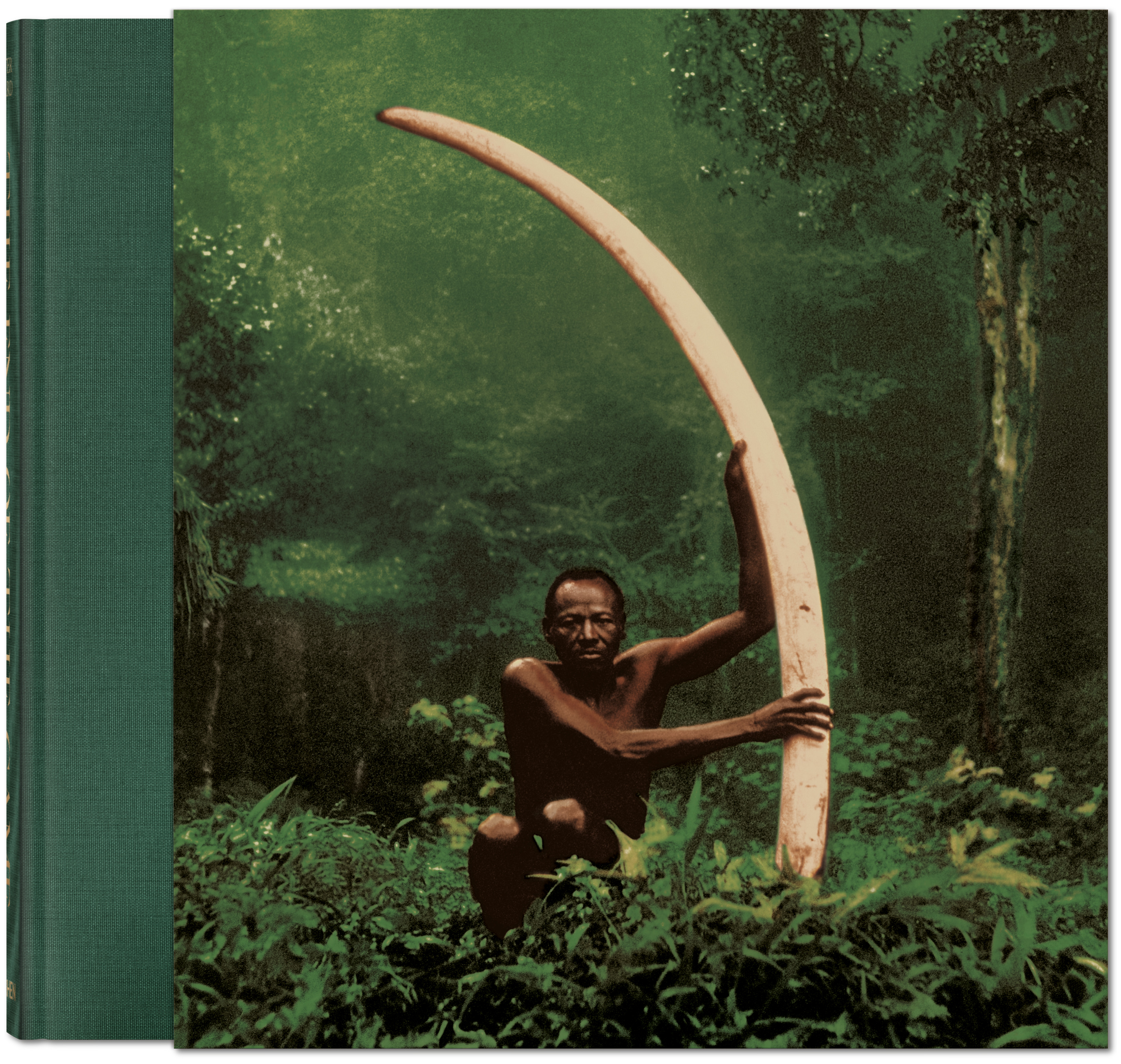
It's sobering to think that Beard spent half a century trying to make people understand what was happening, yet the argument he was making in 1965 has only become more urgent. The end of the game he described is still in progress.
If you're a photographer wondering what the medium is actually for, this book is one of the best answers you'll find. Not comfort. Not beauty, exactly. But truth, kept and organised and handed on.
Published by TASCHEN, the 2026 reissue of The End of the Game by Peter Beard will be released in the UK on April 29 priced at £80, and In the USA in June priced $100.