Energy price cap: the cost of your coffee could be about to go up This autumn, the cost of gas and electricity for a typical UK household is expected to rise from £1,663 to £1,723 a year. The Conversation · Oct 7
How Spain’s torrential rainstorms put sewage into its rivers and seas After heavy rain, Spanish cities often awaken to refreshed air and clean streets, while the rainwater itself vanishes into storm drains along with everything it swept away. Under the ground, however, a very different story unfolds. The Conversation · Oct 7
Ocean, desert rainfall and a parasitic disease: researchers connect patterns Climate does more than shape the weather. It can influence when and where infectious diseases emerge by changing how disease-carrying vectors and animal hosts survive and behave. Scientists use weather data to anticipate some disease risks days or weeks ahead. But forecasting how those risks will change across seasons and… The Conversation · Oct 7
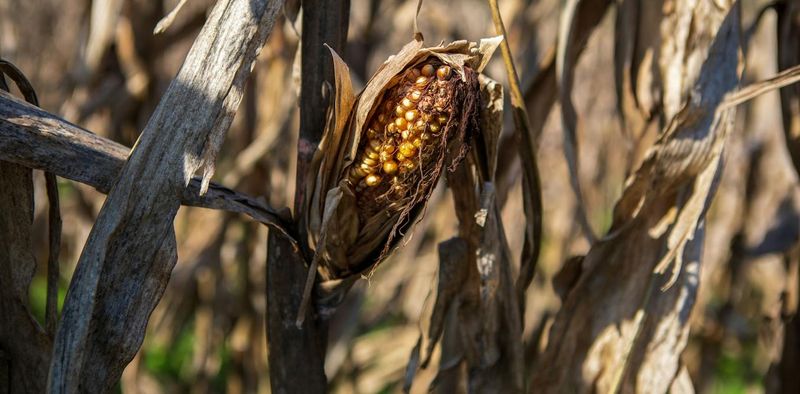
Super El Niño – how it could affect South Africa’s maize prices In southern Africa, the El Niño – caused by warmer sea surface temperatures in the Pacific Ocean which affect air pressure and wind directions – usually brings below-average summer rainfall and increases the risk of drought. This means poor harvests of maize, a staple crop for many countries on the… The Conversation · Oct 7
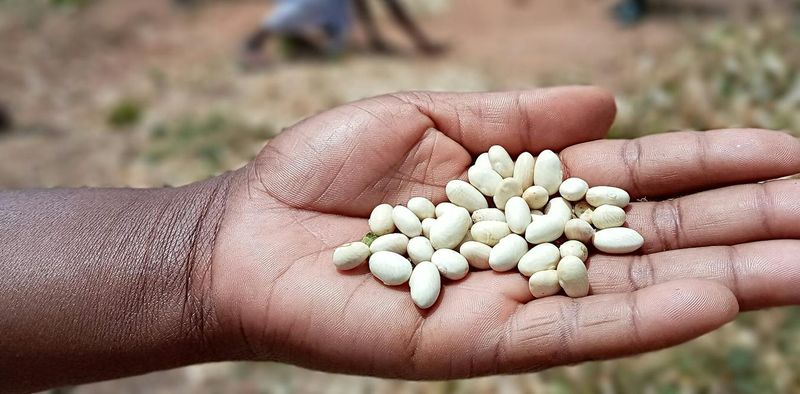
Super El Niño could hit southern Africa’s bean harvests hard: how to protect farmers Grain legumes, also known as pulses, are an important source of calories and income for rural households and small farmers globally. Beans, especially dry beans, are the most traded and consumed grain legume crop in southern Africa. They are the primary staple and the second-most significant source of dietary protein… The Conversation · Oct 7
Playful satire or weaponized play? Why White House video games are so problematic What if someone modified the video game Snake, where the snake’s tail grows longer the more it eats, but instead, the game involved a border guard who creates a growing tail of arrested migrants? The Conversation · Oct 7
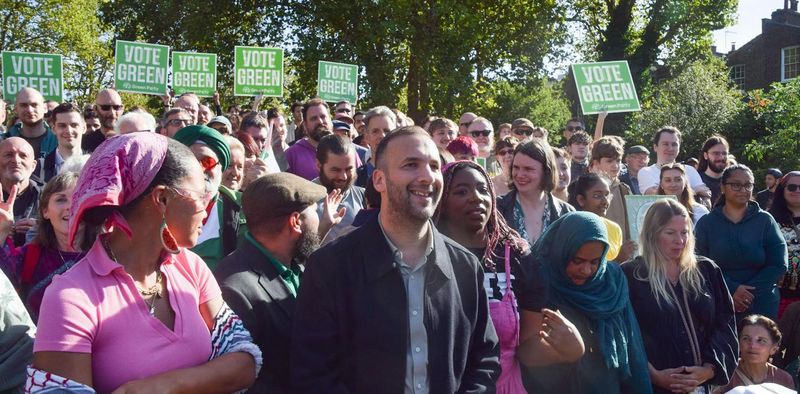
Zack Polanski’s Urdu video: multilingual campaigning is good for politics The Holborn and St Pancras byelection takes place on October 8, in the London constituency vacated by former prime minister Keir Starmer. Labour might be hopeful of holding the seat, but the leader of the Green Party Zack Polanski is also on the ballot paper. The Conversation · Oct 7
Nobel prize in chemistry awarded for work on mirror-image molecules The 2026 Nobel prize for chemistry has been awarded to two researchers for their work on mirror-image molecules. The Conversation · Oct 7
These state supreme court races could decide abortion access and trans rights In the heated news coverage of what’s at stake in the 2026 midterms, state supreme court races are drawing relatively little attention. Yet these are highly significant elections. The Conversation · Oct 7
Coolcations: tourism boom is taking a toll on chillier destinations Rising numbers of visitors headed for destinations in northern Europe in the summer of 2026, seeking respite from the heat. The Conversation · Oct 7
Parasitic worms could hold the key to treating immune system diseases – here’s what we know For millions of years, parasitic worms have had to survive inside animals without being destroyed by their hosts’ immune systems. To do that, they have evolved remarkably effective ways of dampening the immune response. The Conversation · Oct 7
Why your boss matters more than remote or hybrid work when it comes to burnout and job satisfaction The post-pandemic push to bring workers back to the office has left many nostalgic for more flexible arrangements, such as hybrid or remote work. The Conversation · Oct 7
AI can help with academic research but doesn’t always get it right – here are some tips to check the information you receive Almost 25% of adults in the United States are using artificial intelligence chatbots on a daily basis, a 2026 Pew Research Center study found. The Conversation · Oct 7
Armed poll watchers: New Jersey’s 1981 racist voter intimidation campaign is a cautionary tale ahead of 2026 midterms In the history of voter suppression in the United States, including attempts to stop Black and Latino people from voting, Republican tactics in the 1981 New Jersey gubernatorial race stand out. The Conversation · Oct 7
The Conversation · Oct 7 Missing ambassadors, inexperienced appointees – is Washington dropping the diplomatic ball? Just before leaving town on Sept. 30, 2026, U.S. senators confirmed 10 new ambassadors. Among those nodded through before Congress closed for an extended midterm recess were new U.S. ambassadors for Kenya, Nicaragua, Malaysia and Kyrgyzstan.
The Conversation · Oct 7 AI behaves more like a brain than a database – cognitive science’s role in its origin story helps explain why When people think about what ChatGPT or other large language models are doing behind the scenes, it’s common to reach for the language of computing. You might assume there is a database, or a logical series of steps being executed, in order to provide a response to your query.
The Conversation · Oct 7 Your cells keep a record of every workout you’ve ever done – and those gains persist even after a break from exercise Have you ever taken months off training – maybe due to an injury, a new baby or crushing work deadlines – and come back convinced you were starting from zero?
The Conversation · Oct 7 Tabis are so over – what the mainstreaming of the split-toe shoe says about how fashion loses meaning The tabi shoe, a divisive style which features a cloven hoof-like split, has its origins in 15th-century Japan. In 1988, fashion designer Martin Margiela reimagined the split-toe silhouette for a high-fashion boot for his brand’s inaugural runway collection. While the style became synonymous with Margiela, because of its historic origins,…
The Conversation · Oct 7 Inside the industrial incinerators tasked with ‘respectful disposal’ of anatomical waste Awkwardly smiling, a chemist at a waste site is telling me about industrially incinerating corpses. We are crammed into a claustrophobic funnel at the entry point to a rattling shed with high-vis-jacketed workers scurrying to and fro.
The Conversation · Oct 7 The circumstances you grow up in are linked to how long you live Poorer people, on average, live shorter lives. This pattern can be seen even in wealthy countries with extensive welfare systems. In Norway, for example, 40-year-old men in the richest 1% could expect to live almost 14 years longer than those in the poorest 1%. In the US, the equivalent gap…
The Conversation · Oct 7 Can picking up a book really improve your brain? Picking up a book for half an hour may feel like simple downtime, but reading for pleasure appears to do more than just entertain us. Research suggests it can support aspects of cognition and wellbeing, while also helping us understand and connect with other people.
The Conversation · Oct 7 Prosecution of Kosovan leader Hashim Thaçi illustrates the challenges of bringing war criminals to justice More than 27 years after the end of the Kosovo war, former prime minister and president Hashim Thaçi and three other leaders of the Kosovo Liberation Army (KLA) have been found guilty of war crimes and sentenced to up to 25 years in prison. Thaçi and his fellow defendants faced…
The Conversation · Oct 7 Success for Andy Burnham’s national care service will depend on home essentials With Prime Minister Andy Burnham’s plans for adult social care reform in England, including a move towards a national care service, much of the focus has been on who receives care and who provides it.
The Conversation · Oct 7 Smokers have a lower risk of Parkinson’s – we may have found out why Smoking is one of the biggest causes of ill health and early death. Yet smokers seem to have a lower risk of developing Parkinson’s disease than non-smokers – by around half according to some studies.
The Conversation · Oct 7 ‘I’m harmed and I don’t think the person who did it knows’: we looked at different responses to uni sexual assault The Cornell 7 case has brought renewed scrutiny to how universities respond to sexual assault. In Australia, National survey results suggest about one in six students have experienced sexual harassment since starting university, while one in 20 have experienced sexual assault.