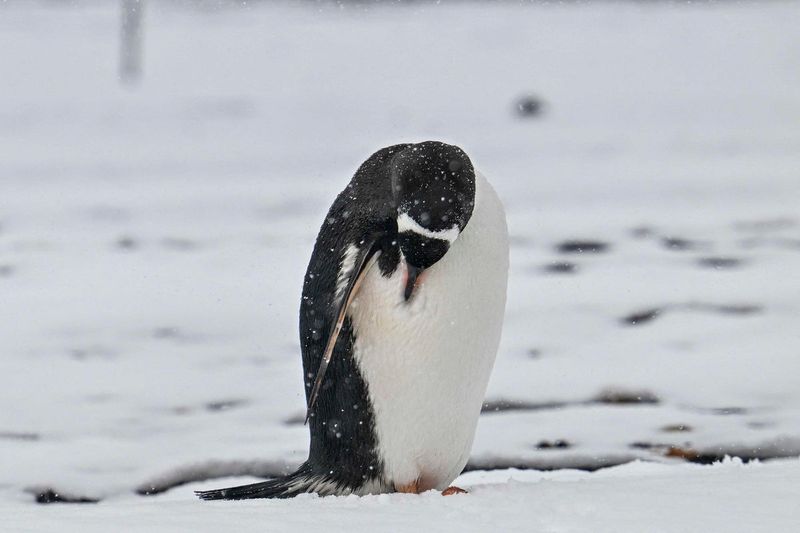
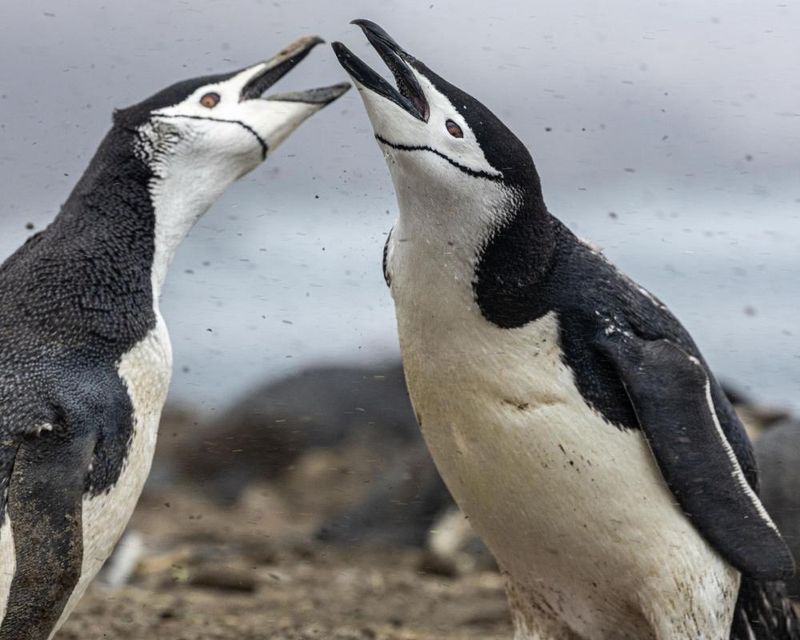
World’s largest penguin colony loses two-thirds of its population Number of breeding chinstrap penguins on Zavodovski Island fall from over a million to 400,000 The Independent UK · Oct 8
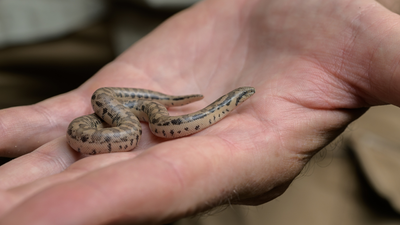
Three rare snakes bred at Prague Zoo; two young groups descend from smugglers In late July 2026, Prague Zoo announced a rare triple success in its reptile collection, three snake species that had never bred there before produced young. Rough-scaled pythons hatched from a clutch of eggs, Nosy Komba ground boas gave birth to live young, and Tartar sand boas added a litter… The Times of India · Oct 8
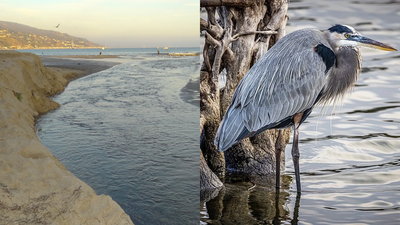
Monitoring Shows Lasting Gains: Malibu Lagoon redesign boosts water quality; native species return Malibu Lagoon underwent a significant restoration project in 2012, addressing water quality and circulation issues. The restoration led to a more diverse community of native fish, birds, and plants by removing invasive species. Monitoring after the restoration indicated reduced stagnant waters and improved oxygen levels in the lagoon. Notably, endangered… The Times of India · Oct 7
An Upstate New York Toddler's Swollen Eyelid Shrugged Off Antibiotics Because a Botfly Larva Was Living Inside A 2-year-old's red, swollen eyelid didn't improve on antibiotics. Doctors in New York found a botfly larva, a parasite rarely seen in the region. Medical Daily · Oct 7
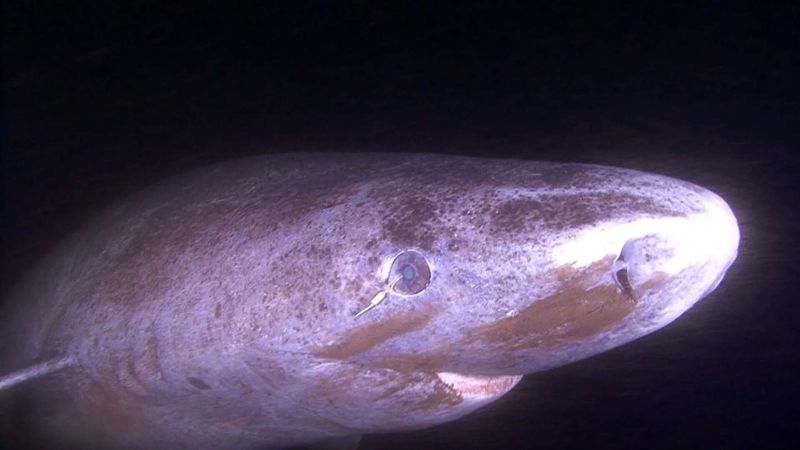
Greenland sharks can live 400 years without losing their vision: Scientists once thought they were blind, now they know why Greenland sharks can live for more than 400 years, but scientists once believed the deep-sea giants were functionally blind because of their cloudy eyes and parasites. A new study has challenged that assumption, finding healthy retinal tissue and visual proteins adapted to the dim Arctic depths. Researchers say the findings… The Economic Times · Oct 7
World’s largest penguin colony suffers ‘enormous population crash’ Chinstrap penguins on Zavodovski Island in Antarctica down by two-thirds since 2011, probably due to climate crisis The Guardian - UK · Oct 7
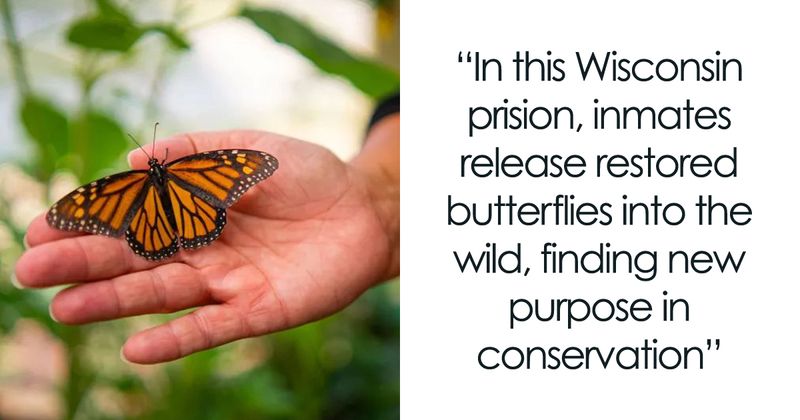
Wisconsin Prison Turns Inmates Into Heroes Of Monarch Conservation Inside the walls of Wisconsin’s Redgranite Correctional Institution, an unexpected conservation movement has taken flight over the last two years. Through the ‘Refuge for Growth, Change and Inspiration’ initiative, inmates are raising threatened monarch butterflies, turning their time behind bars into crucial support for the insects’ long journey to Mexico.Here… Bored Panda · Oct 7
California began removing invasive brook trout near Independence Lake in 2005; a study found young Lahontan cutthroat trout survival increased from 4% to 12% In the Sierra Nevada, Lahontan cutthroat trout have struggled due to competition from non-native brook trout. A study conducted between 2005 and 2010 revealed that brook trout removal improved the survival rates of cutthroat fry significantly. Research indicated a notable increase in the number of cutthroat juveniles entering Independence Lake… The Economic Times · Oct 7
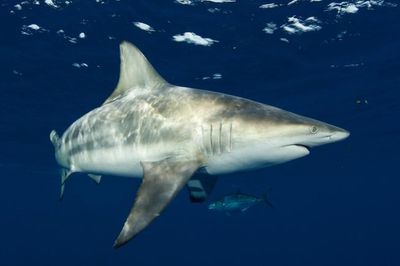
Study debunks common misconception about one of sharks’ biggest weaknesses Researchers say sharks can hear sounds from considerable distances The Independent UK · Oct 7
Country diary: A gleaming beetle that could be bad news for my garden favourites Allendale, Northumberland: On a hot autumn day, I see rosemary beetles here for the first time. This could be a problem for many thriving plants The Guardian - UK · Oct 7
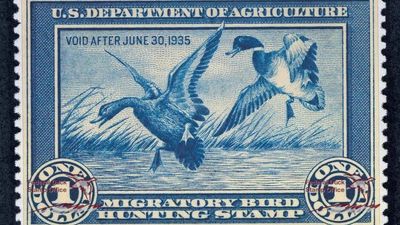
In 1934, America created a $1 duck stamp; it has protected 6 million acres In 1934, the United States introduced a small annual stamp that linked waterfowl hunting directly to wetland conservation. The Migratory Bird Hunting Stamp Act, signed by President Franklin D. Roosevelt on 16 March that year, required waterfowl hunters aged 16 and over to buy a stamp. The first one cost… The Times of India · Oct 6
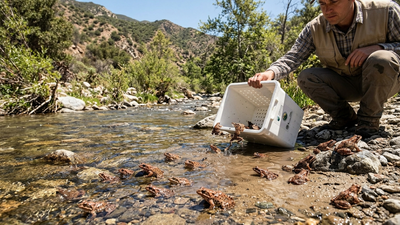
Southern California’s mountain frogs begin their return with 650 releases Southern mountain yellow-legged frogs have disappeared from much of their former range in Southern California, but conservation teams are working to restore them. The Los Angeles Zoo released 653 captive-bred frogs into San Gabriel Mountain streams, bringing the number of zoo-bred frogs returned to the wild to nearly 7,000. The Times of India · Oct 6
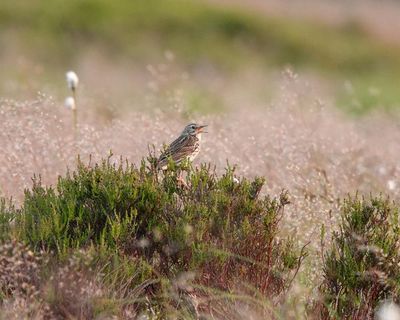
Country diary: On the bluest of days, the plaintive call of a pipit Combs Moss, Derbyshire: There is plenty to be gloomy about, but today was not the day for it up on the moor The Guardian - UK · Oct 6
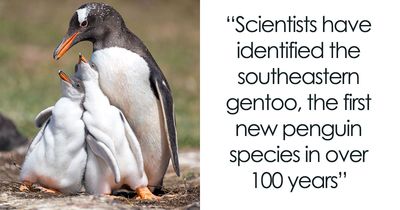
Scientists Stun The World By Identifying A Brand-New Penguin Species After Over 100 Years You probably know the gentoo penguin, even if you don't know it by name. It's the one with the bright orange bill and the white patch across its head. For generations, scientists treated it as one single species. Bored Panda · Oct 5
Times Life · Oct 5 How Sharks Detect a Single Drop of Blood in the Ocean The Nose Knows More Than You ThinkA shark's nostrils do not breathe. They are dedicated scent organs, and nothing else. Water flows continuously through two nasal passages lined with sensory cells called olfactory lamellae, folded tissue that dramatically increases the surface area available to detect dissolved chemicals. A large shark…
The Guardian - AU · Oct 5 ‘The future is bright’: breeding programme brings world’s heaviest insect back from the brink Wētāpunga can weigh as much as a mouse and its numbers dwindled across New Zealand due to predators and habitat loss
The Guardian - AU · Oct 5 Authorities issue shark warning over whale that swam 11km upstream in Clarence River and later died Juvenile humpback was spotted near Bundjalung national park in what experts say is a rare but not unprecedented event
The Times of India · Oct 5 Black rat removal helped Zannone shearwater pairs rise from 27 to 80 On a Mediterranean island off Italy, a conservation project aimed at removing an invasive rodent produced a change that could be seen in the seabird colony. Zannone had been among the larger Italian islands targeted in the country’s expanding rat eradication programme. The work was part of a wider effort…
The Guardian - UK · Oct 5 To cull or not to cull: Greenland debates fate of world’s slowest shark As trawlers compete with Greenland sharks for halibut and cod, conservationists and fishers clash over what to do about misunderstood species
The Times of India · Oct 5 Australia once paid bounties to kill kangaroos; up to 27 million marsupials died Australia once used government-funded bounties to encourage people to kill native marsupials, including kangaroos, wallabies and bandicoots. A 2026 study published in Nature found that the programme led to the destruction of up to 27 million animals between the late 19th century and 1930. The scheme was introduced when the…
The Economic Times · Oct 4 Plague outbreak: How ancient teeth help scientist decode deadly disease took place 5,500 years ago Plague outbreak was particularly deadly for the young, judging from the burial sites, and attributed this to genetic traits in these strains that no longer are present in today's iteration of the pathogen.
The Times of India · Oct 4 Australia funds more than $1 million to rebuild nesting habitat for seabirds Australia has allocated over $1 million for the ecological restoration project on South Islet in the Coral Sea Marine Park. The project aims to remove invasive weeds and replant native species to support seabird nesting. Early signs of success have been observed, with seabirds nesting in cleared areas shortly after…
The Economic Times · Oct 4 Whales survived brink of extinction in 19th and 20th centuries but then comes the biggest mystery yet to be solved Carcasses have been washing ashore around the gulf city of Puerto Madryn, including near the central waterfront where they alarm residents and tourists.
The Times of India · Oct 4 Seabird Responses After Rat Eradication: Puffins and shags rebound; other species vulnerable The eradication of rats on Scottish islands has led to notable changes in seabird populations. Atlantic puffins have thrived and seen considerable growth, while Manx shearwaters have struggled with low breeding success despite returning to their nesting areas. European shags increased in number, yet their overall population remained stagnant, showcasing…
Radio France Internationale · Oct 4 Reintroduction of vultures to France causes friction with farmers France’s vulture population is growing, thanks to a reintroduction campaign that began in the 1980s after the birds all but disappeared decades earlier. But according to some farmers, the return of the birds has brought challenges as well as rewards.