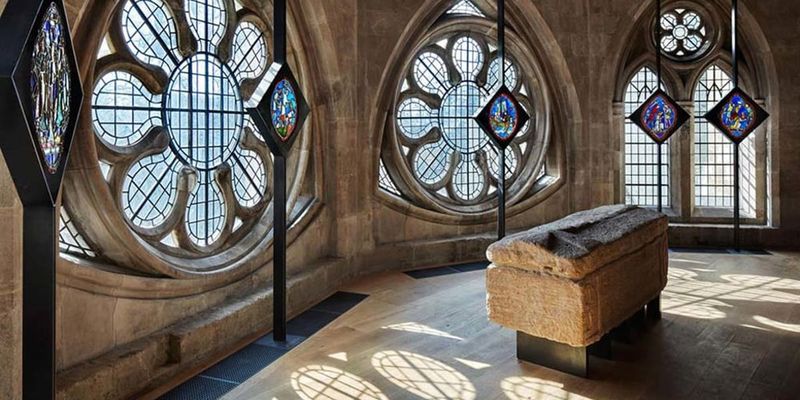
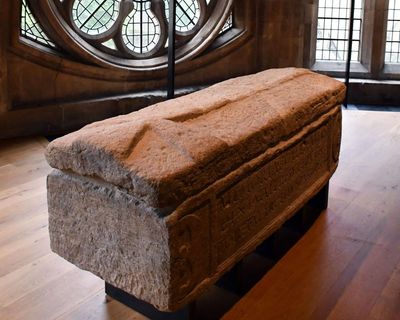
Mystery of Westminster Abbey skeleton 'solved' For over 150 years, historians have hotly debated the identity of the Westminster skeleton. But now, we may finally know his name... Evening Standard · Oct 21
Mystery of Roman sarcophagus unearthed at Westminster Abbey solved at last, expert says Archaeologist says skeleton inside coffin inscribed to Valerius Amandinus is likely to be remains of 11th-century abbot The Guardian - UK · Oct 21
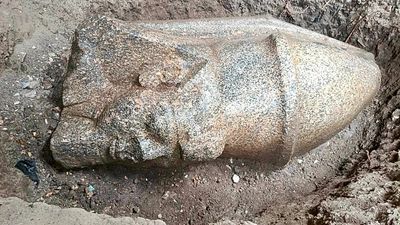
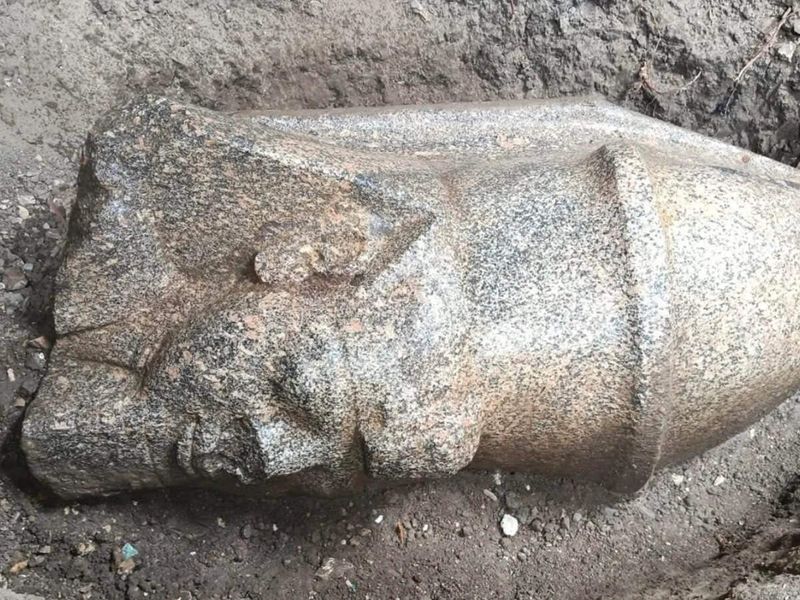
Egyptian farmer helps archaeologists find giant Ramses II statue fragments A farmer’s discovery has led to the remains of two colossal royal statues and ancient inscriptions in Egypt’s Nile Delta. Archaeologists have identified one as Ramses II and are investigating how the finds fit into the area’s history. Euronews · Oct 20
An Egyptian farmer found a mysterious pink stone in his field — it led archaeologists to two giant statues of Ramses II buried for centuries Archaeologists found ancient statue fragments related to Ramses II in the Nile Delta region of Egypt. The discovery was triggered by farmer Khaled al-Shahat, who informed authorities about a unique pink stone. Excavations revealed monumental statues and inscriptions that allow further exploration of the site's history. This area previously linked… The Economic Times · Oct 19
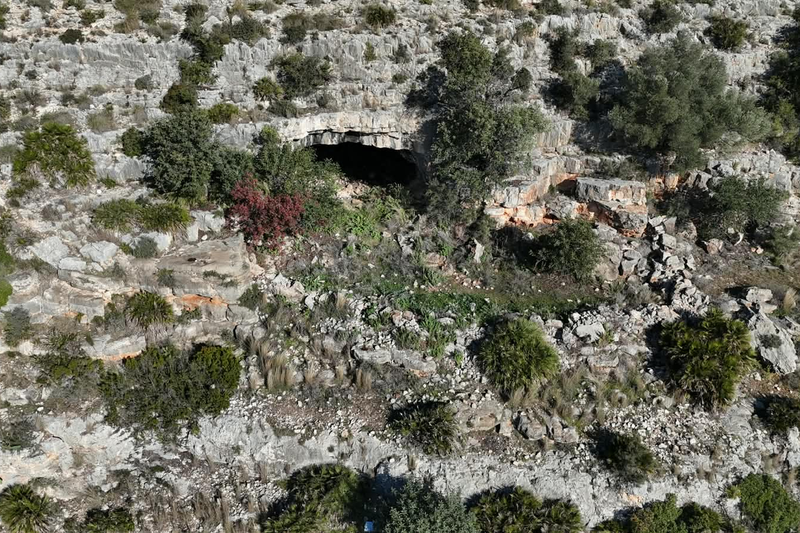
The mysterious Spanish ‘Women’s Cave’ used for 24,000 years for sacred rituals The ancient site near Valencia is one of the oldest sacred places in the world The Independent UK · Oct 19
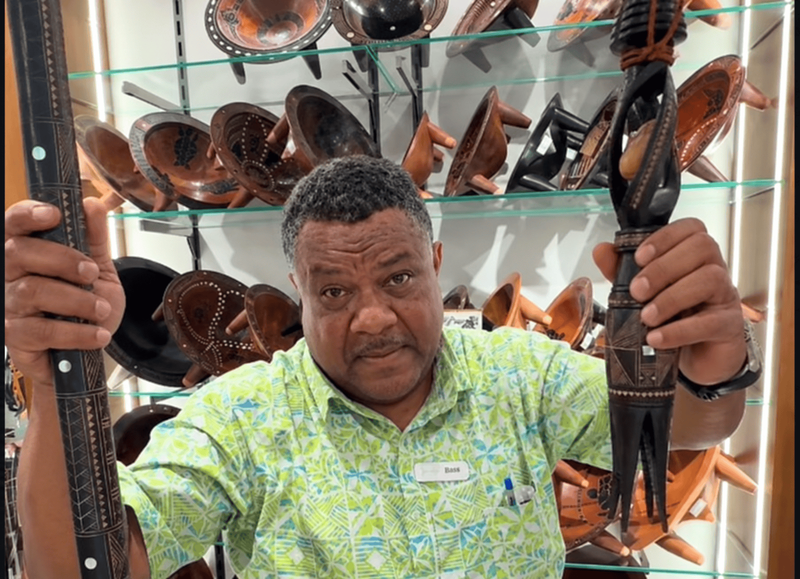
Shopkeeper Proudly Showcases Historical Cannibalism Tools, Says They 'Eat People for the Power' A viral video from Fiji has prompted debate about historical cannibalism, cultural beliefs and archaeological evidence showing the practice occurred in varied societies and circumstances. International Business Times UK · Oct 19
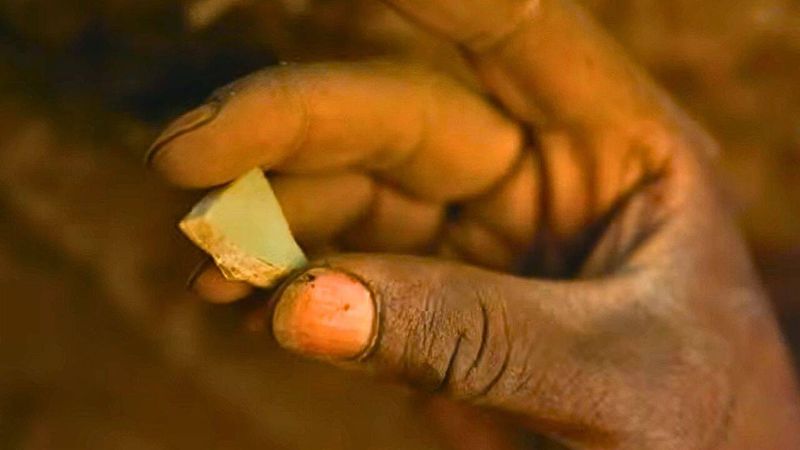
Tiny pottery shard links Great Zimbabwe to China, while glass beads reveal trade ties Unearthed at Great Zimbabwe, a shard of jade-green Longquan celadon pottery from China illuminates extensive trade networks linking Africa to Asia and the Middle East. This discovery illustrates the movement of goods across Southeast Asia, the Persian Gulf, and the Indian Ocean. Coupling this with glass beads found in the… The Times of India · Oct 19
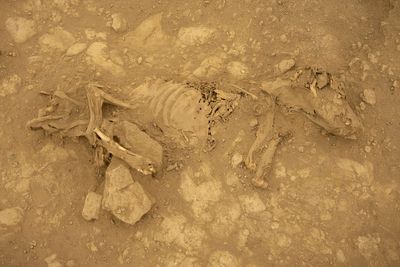
1,200-year-old mummified hairless dogs unearthed in Peru Remains offer first physical evidence of distinctive breed in region and clues about animals’ diets and treatment The Independent UK · Oct 19
World’s oldest shipwreck discovered off Turkey with nearly 4,700-year-old pottery Archaeologists have discovered the oldest known shipwreck, dating back approximately 4,700 years off Kekova Island, Turkey. The vessel was around 10 meters long and carried more than 30 ceramic storage pots, called amphorae. Despite the wooden structure being lost, traces of contents remain in some of the pots, indicating trade… The Times of India · Oct 19
Corruption, massacres or town gossip? The bid to unearth secrets a rural Queensland police officer took to his grave Forty years ago, a constable hid a stash of documents he was ordered to incinerate. Were they evidence of police corruption and frontier war violence, or simple tales of daily life? The Guardian - AU · Oct 18
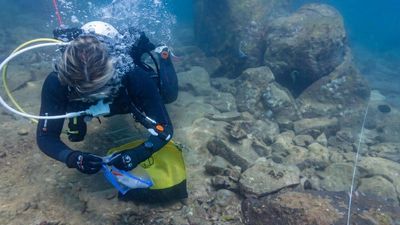
Archaeologists discover at least 9,000-year-old underwater sites in Australia with stone tools Archaeologists discovered submerged sites in Murujuga, providing evidence of ancient human activity and stone tool use. These sites contain artefacts made from local and distant materials, indicating movement and exchange. The research highlights two significant locations underwater where Indigenous people once gathered and sourced raw materials. The findings suggest the… The Times of India · Oct 18
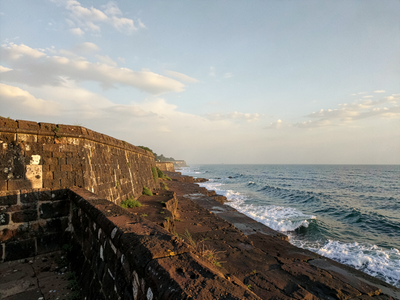
Tranquebar, Pulicat and Sadras: A Coastal Drive Through the Coromandel's European Past Why the Coromandel Coast Reads Differently from the SouthMost people drive the East Coast Road south from Chennai toward Mahabalipuram and stop there. The older story runs north and south of that corridor, in towns so small they appear on maps only as dots. Tranquebar, Pulicat and Sadras each belonged… Times Life · Oct 18
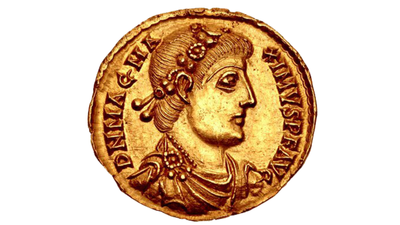
Roman fort found in Wales may support medieval legend of Emperor Maximus' army For nearly seventeen centuries, a Welsh legend has claimed that a Roman emperor camped beside a hill in Pembrokeshire. Historians could never confirm it, because no Roman military site had been found near the spot. That has now changed. Archaeologists have uncovered a heavily fortified Roman fort in the Preseli… The Times of India · Oct 18
Archaeologists Unearth 20FT Marble Monument Beneath Jerusalem Church at Centre of Jesus Tomb Mystery Archaeologists studying Jerusalem's Church of the Holy Sepulchre have identified remains of a circular marble monument surrounding the chamber traditionally venerated as Jesus' tomb. International Business Times UK · Oct 17
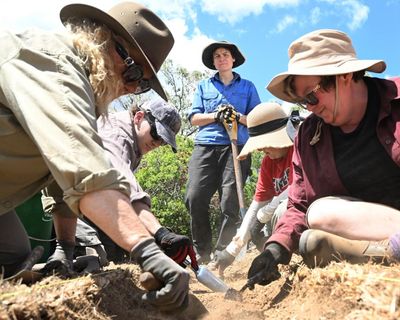
The Times of India · Oct 16 California land trust sues to block roads across a 402-acre preserve saved from housing development In a bid to protect the Clover Valley nature preserve, Placer Land Trust has initiated a lawsuit to block infrastructure development attempts. Established four years ago, this cherished area has faced housing pressures in the past. It comprises ancient oak forests, wetlands, and vital archaeological sites. The conservation easement was…
Euronews · Oct 16 Social media favourites, Pompeii's cats star in new photo book Photographed by thousands of visitors every year, the cats of Pompeii’s Archaeological Park now star in a new book. Around 50 live among the ruins.
The Times of India · Oct 16 Diver Tip Reveals Ancient Burial: Florida team confirms 7,200-year-old pond site; reshapes coastal archaeology In 2016, an amateur diver's underwater expedition near Manasota Key unveiled a significant prehistoric burial site. This submerged location, rich with remains and artifacts that are over 7,200 years old, provides invaluable insights into Native American culture. Archaeologists have applied modern techniques to verify the importance of these findings, while…
Times Life · Oct 16 Sivasagar and the Ahom Monuments: Six Centuries of Assam History Near the Tea Belt What the Ahoms Built and Why It LastedThe Ahom kingdom did not fall to the Mughals. That fact alone is worth the journey to Sivasagar. From 1228 to 1826, a dynasty that arrived from present-day Myanmar held the Brahmaputra valley through six centuries of war, flood, and internal fracture, and…
The Times of India · Oct 15 Archaeologists discovered the first known bronze ring-signet beneath the sea Archaeologists uncovered a significant bronze ring-signet illustrating the Lighthouse of Alexandria during underwater excavations. These findings occurred at the submerged Royal Island of Antirhodos, which was part of Alexandria's Royal Quarters. Egypt’s Minister of Tourism and Antiquities, Sherif Fathy, visited the archaeological team to witness the discoveries firsthand. The ring-signet…
Bored Panda · Oct 15 63 Historical Discoveries That Make Human History Feel Far More Interesting What do an ancient Roman wig made from hair moss, a 3,000-year-old remnant of cheese, and an 18th-century ivory carving of three puppies from Japan have in common? They all made it to this list of fascinating historic artifacts that we found shared by archaeology enthusiasts online. Check out the…
The Times of India · Oct 15 Amelia Earhart vanished in 1937; a theory suggests crabs consumed her remains as a castaway Amelia Earhart, one of the world’s most celebrated aviation pioneers, disappeared over the Pacific Ocean on July 2, 1937, while attempting to fly around the world with navigator Fred Noonan. Nearly nine decades later, her fate remains unknown. A new 17-member expedition backed by Purdue University and the Archaeological Legacy…
The Times of India · Oct 15 Archaeologists find 19 injuries in 12 people buried in Iron and Viking Age Scandinavia Archaeologists found evidence of traumatic injuries in 12 individuals from Iron and Viking Age Scandinavia. These injuries were discovered in domestic spaces like houses, pits, and wells across various sites. Examination of the remains revealed sharp-force and blunt-force injuries indicating potential violence in their lives. Researchers proposed that social conditions…
International Business Times UK · Oct 15 Ramses II Head With Royal Inscriptions Found in Egypt Suggests Statue of Pharaoh Believed To Challenge Moses Archaeologists excavating in Egypt's Gharbia province have uncovered a Ramses II head, a possible second likeness and inscriptions after a homeowner reported a carved stone.
Times Life · Oct 15 Dooars in Cool Season: Gorumara, Jaldapara and the Tea Road Between Why the Cool Months Change EverythingThe Dooars in October is a different country from the Dooars in July. The monsoon has just released it. The Jalpaiguri district's floodplains are still wet enough to hold animals at the edge of the grass, but the roads are passable and the leeches are…
The Conversation · Oct 14 How did early Māori society develop? New research reveals a clearer timeline When the first Polynesian settlers arrived in Aotearoa New Zealand some 750 years ago, they found an environment very different to the lands they left behind.
















 The Times of India
 The Independent UK
 The Conversation
 Euronews
 MyLifeXP
 Times Life
 The Economic Times
 The Guardian - UK
 International Business Times UK
 Bored Panda
 Evening Standard
 The National (Scotland)
