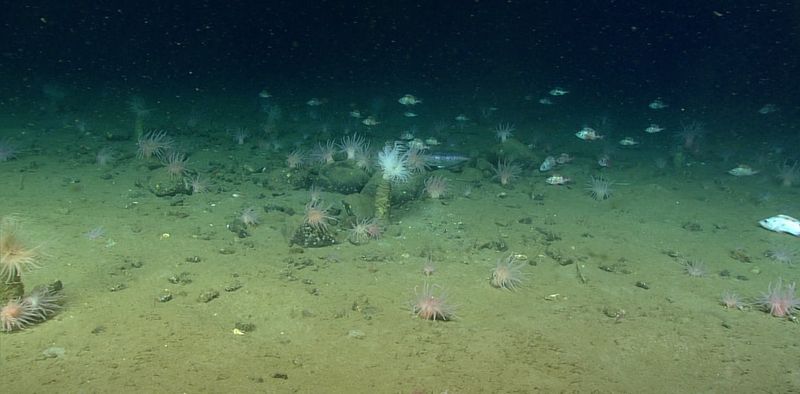
New research sheds lights on the huge carbon store in Canada’s seabed Protecting and effectively managing oceans and seabeds are crucial in the fight against climate change. The Conversation · Jun 13, 2024
It’s hard to find fossil skin, but a rare discovery reveals clues about the evolution from water to land Fossilized skin and other soft tissues are exceedingly rare, and it is only under special conditions that these rarest of fossils are preserved. The Conversation · May 28, 2024
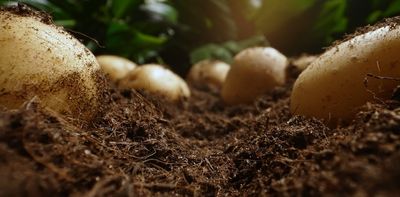
Potato growers can use AI to monitor and predict potato nutrition in real time Potatoes are the premier vegetable crop in Canada, with $1.5 billion nationwide in potato receipts in 2021. The agricultural significance of potatoes is particularly prominent in provinces like New Brunswick, the home of McCain Foods Limited, the world’s largest potato processor. The Conversation · Nov 23, 2023
How zinc-ion batteries may solve our renewable energy storage problem Hotter summers, drier forests, rising waters: climate change is not just a threat to our future, it’s hurting our world right now. The Conversation · Sep 12, 2023
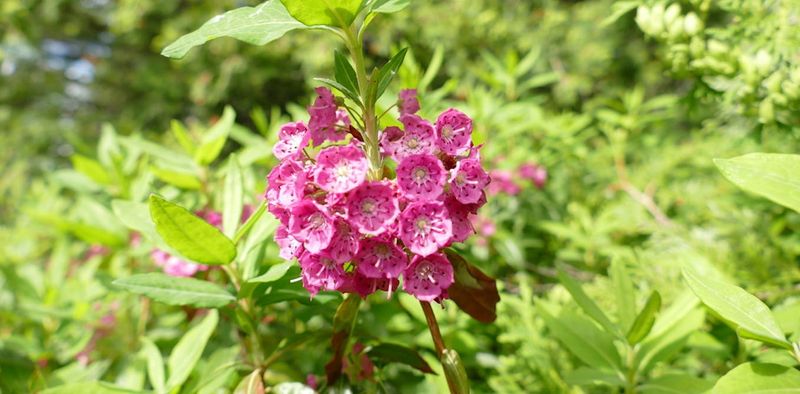
Making the most out of boreal plant resources Plants produce molecules to interact with their environment and protect themselves against external threats. These molecules can also have antioxidant, anti-inflammatory and antibacterial properties, some of which are beneficial to human health. These properties are valued by traditional medicines and inspire the development of medicinal products by contemporary chemists. The Conversation · Aug 17, 2023
Plants of the boreal forest: Using traditional Indigenous medicine to create modern treatments Natural health products and phytomedicines (plant-based medicines) are used in many countries as the first choice of treatment. This market represents a significant proportion of the total market for health products, particularly in developing countries where a large proportion of the population depends on these products for treatment. The Conversation · Jul 26, 2023
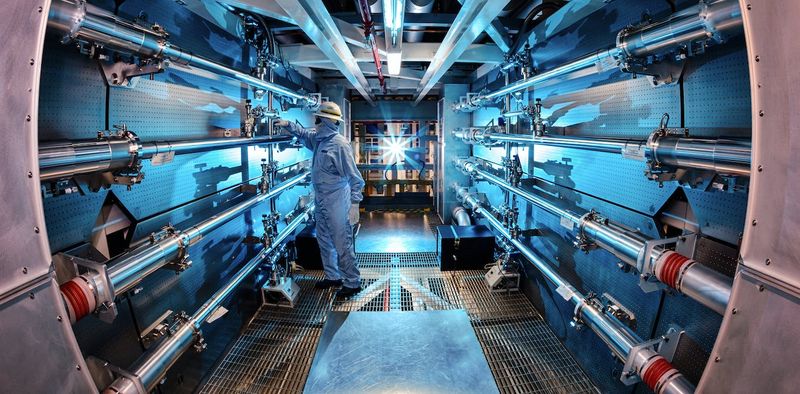
Nuclear fusion breakthrough: Decades of research are still needed before fusion can be used as clean energy The U.S. Department of Energy reported a major scientific breakthrough in nuclear fusion science in December 2022. For the first time, more energy was released from a fusion reaction than was used to ignite it. The Conversation · Jun 27, 2023
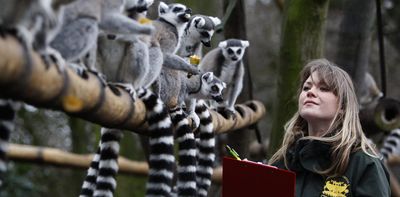
Zoos and universities must work together to safeguard wildlife and improve conservation The word “zoo” is complicated and can have different meanings to different people. For some, a zoo is an organization committed to animal well-being and wildlife conservation that offers its visitors a fun and educational experience. To others, it is a place where people pay to see exotic animals in… The Conversation · Jun 25, 2023
How to move without legs or wings: Helping trees migrate to new regions While it is true that individual trees are immobile, as a species they can actually move and migrate as well as birds do! However, this takes place over a much different time frame. The Conversation · May 3, 2023
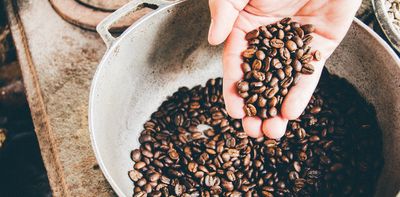
Here's how your cup of coffee contributes to climate change Global coffee consumption has been increasing steadily for almost 30 years. With a daily average consumption of 2.7 cups of coffee per person, coffee is now Canada’s most popular drink. It is estimated that around two billion cups of coffee are consumed daily worldwide. The Conversation · Jan 5, 2023
Can sending fewer emails or emptying your inbox really help fight climate change? The massive carbon footprint left behind by emails has been widely discussed by the media, but most of the time these discussions are exaggerated. The Conversation · Dec 14, 2022
What epilepsy teaches us about diversity and resilience There is a growing recognition of the importance of equity, diversity and inclusion in society and its institutions. The most progressive, leading-edge organizations consider the diversity of people to be essential to the success, growth, innovation and development of a society. The Conversation · Aug 2, 2022
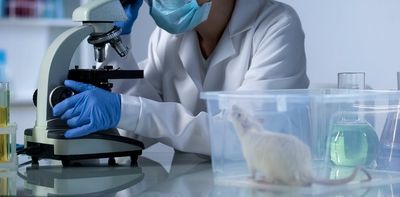
Laboratory mice are usually distressed and overweight, calling into question research findings Over 120 million laboratory rats and mice are used worldwide each year. Many are used to study distressing conditions like cancer, arthritis and chronic pain, and nearly all spend their lives in small, empty box-like cages: a kind of permanent lockdown. The Conversation · May 12, 2022
Why children learn how to say 'spoon' before 'sky' For adults, communicating in our first language feels easy and natural. Yet learning language is a complex process that is influenced by several factors. The Conversation · May 2, 2022
The Conversation · Mar 30, 2022 Science shows that BPA and other endocrine disruptors are harmful to human health, which should incite tighter regulations More than two decades after the publication of Our Stolen Future, what is the state of research on endocrine disruptors? Are those sneaky contaminants continue to interfere with our hormones?
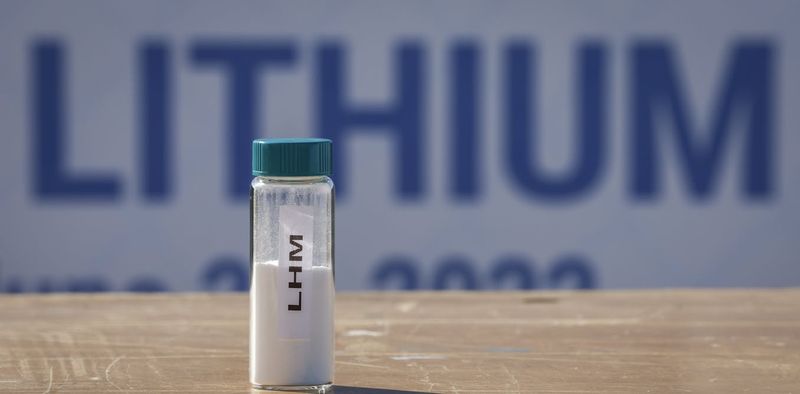
The Conversation · Mar 22, 2022 The economic case for the mining industry to support carbon taxation As governments try to navigate a path to a safe climate in the 21st century, the public debate has focused on net zero, carbon taxes, electrification and renewable energy. Mining is rarely an anchor point of the discussion, even though renewable energy infrastructure and low-carbon technology require vast amounts of…











 The Conversation
 Bangkok Post
