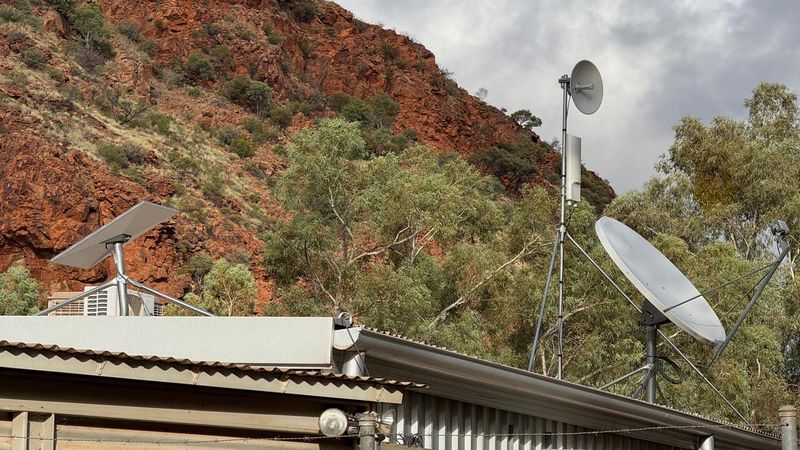
Remote television failures driving up internet costs Access to the internet in remote communities is on the rise but with two thirds of residents streaming from their phones, so is the cost of digital inclusion. AAP · Nov 10
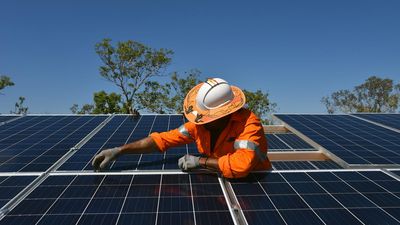
Recycle, reuse or regret: clock ticks on solar waste Australia needs to act quickly to address the growing number of end-of-life solar panels before a wave of waste hits in the 2030s. AAP · Oct 29
Could AI Spot Road Damage Before It Becomes a Pothole? Australian Trial Detects 300 Defects An RMIT University and RACV trial is using the RoughSense AI system to identify early road damage, track its progression and help Victorian authorities target repairs. International Business Times UK · Oct 27
Friday essay: AI is devastating higher education, but the system was already broken If you work at a university today, you talk a lot with the dead. I don’t mean that as a metaphor – or, at least, not entirely. The Conversation · Oct 22
Insider Trading: From $10 Op Shop Fits To The Runway: How Ebony Noire Made It To Melbourne Fashion Week Arrernte and Māori designer Ebony Noire talks Melbourne Fashion Week, finding her people and being told she was “too sensitive” for the industry. Pedestrian.tv · Oct 20
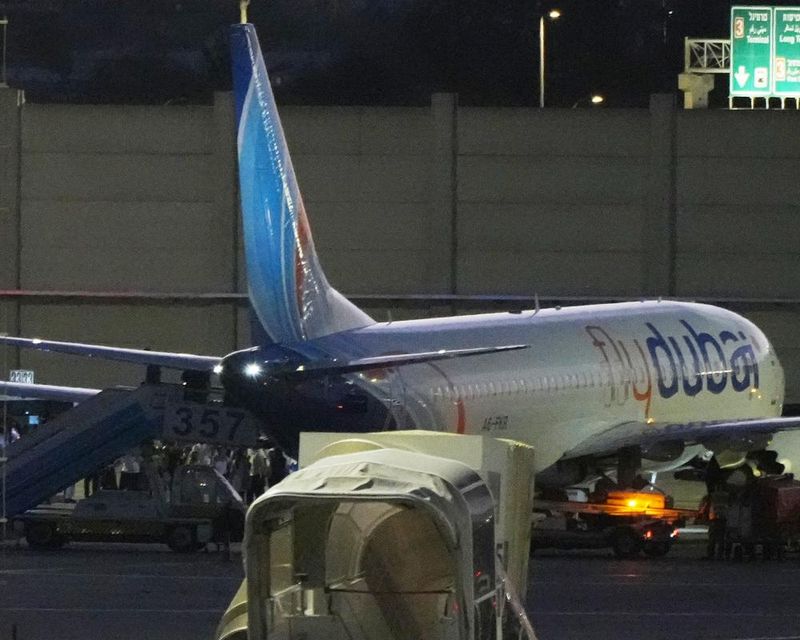
Melbourne Islamic leader rejects centre’s alleged Flydubai hijacker links after Facebook video MyCentre leader Samir Mohtadi, who also goes by Abu Hamza, says claims associating him with flyDubai pilot are unfounded The Guardian - AU · Oct 12

Alleged flydubai attacker left Australia without finishing engineering course, university says RMIT confirms co-pilot was a student as Australian authorities examine his time in country between 2015 and 2017 The Guardian - AU · Oct 5
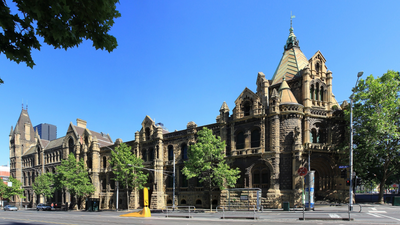
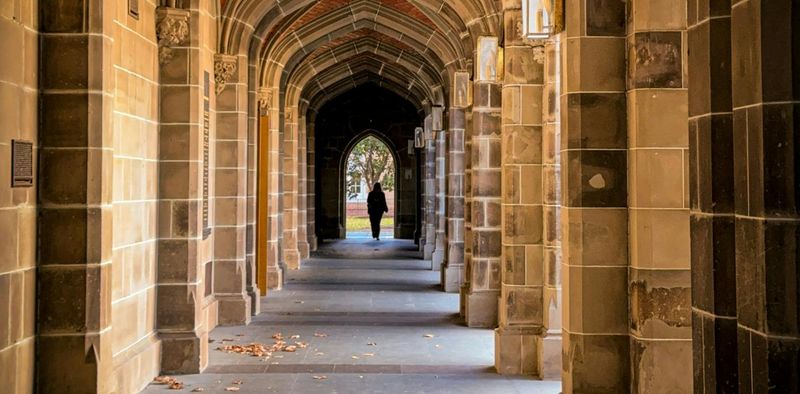
175 years of university architecture reflects Australian history. We shouldn’t let that history be lost Half a decade ago, Australian universities were thrust into an international experiment in online learning and working. Suddenly, bricks and mortar campuses seemed redundant. The Conversation · Sep 15
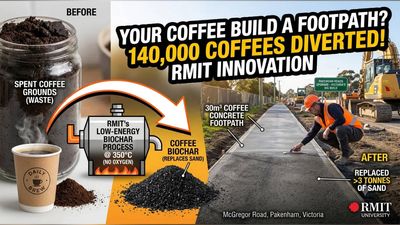
In 2024, engineers turned 140,000 coffees’ worth of used grounds into concrete; the 30-cubic-metre footpath saved more than 3 tons of sand Coffee concrete: Spent coffee grounds were transformed into biochar for a Pakenham footpath project. This innovation replaced river sand, diverting waste from landfills. Researchers developed a low-energy process to create the biochar material. The project utilized two tonnes of biochar derived from 140,000 coffees. The Economic Times · Sep 12
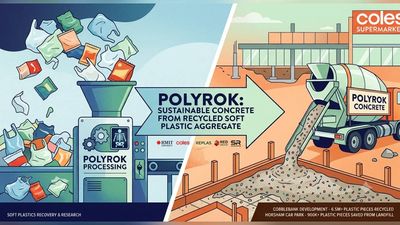
In 2021, Australia's RMIT helped Coles put 900,000 pieces of soft plastic into concrete. 1 year later, another Coles development was set to reuse 6.5 million pieces through Polyrok RMIT University developed Polyrok, a plastic aggregate from recycled soft plastics. This innovative material was first used commercially at a Coles car park in Horsham. A larger application was announced for a Coles supermarket development at Cobblebank. This project recycled over 6.5 million pieces of soft plastic through Polyrok. The Economic Times · Sep 9
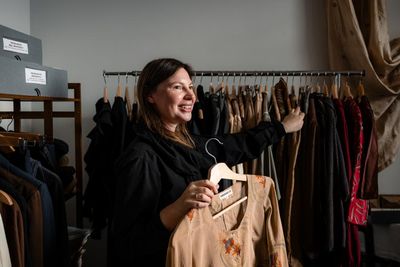
Australia’s first fashion library’s rule for borrowers? No stylists allowed Being able to touch and examine garments in person can be a vital source of inspiration for designers. Now a collection which does just that has relocated from Europe to Melbourne The Guardian - AU · Sep 5
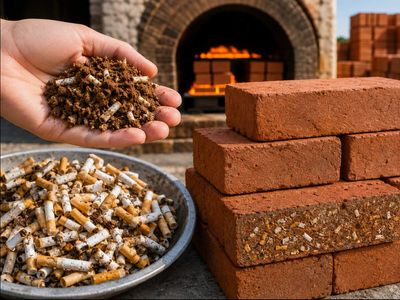
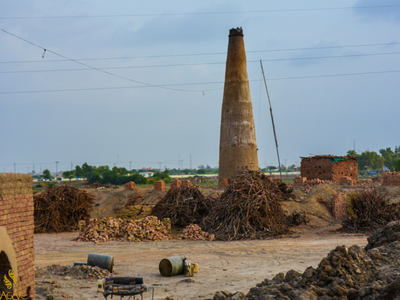
RMIT engineers mixed 1% recycled cigarette butts into fired-clay bricks, and the bricks matched standard strength while cutting firing energy by 10% In Melbourne, engineers are pioneering a groundbreaking technique to integrate discarded cigarette butts into building bricks. This eco-friendly innovation looks to recycle billions of cigarette filters each year, creating bricks that are not only structurally sound but also require less energy to produce. By firing the bricks at high temperatures,… The Economic Times · Sep 2
In 2019, RMIT researchers fired clay bricks mixed with treated sewage sludge; a 25% biosolids batch cut firing energy by 48.6% while passing strength tests Researchers are exploring ways to recycle sewage sludge into building materials. Mixing biosolids into clay significantly cuts the energy needed for brick firing. This process helps reduce landfill waste and the environmental impact of construction. Studies show sludge can either maintain or improve brick strength depending on conditions. These innovations… The Economic Times · Aug 30
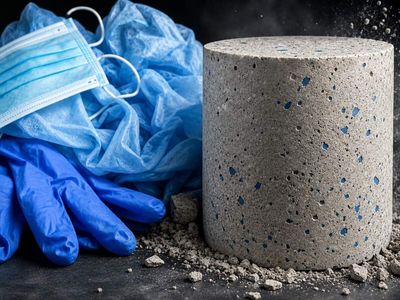
In 2022, RMIT tested shredded masks, rubber gloves and isolation gowns in concrete; gloves raised strength by up to 22% and masks by up to 17% RMIT University researchers discovered shredded personal protective equipment strengthens concrete. Rubber gloves increased concrete strength by twenty-two percent in early studies. Face masks also boosted compressive strength by up to seventeen percent. This innovation offers a circular economy solution for discarded healthcare waste. The findings could lead to stronger building… The Economic Times · Aug 28
The Economic Times · Aug 28 In 2021, RMIT tested shredded face masks with recycled concrete for road bases; 1 kilometer could use 3 million masks and divert 93 tonnes from landfill Engineers from Australia have introduced an innovative strategy for converting used face masks into construction materials for roads. This forward-thinking approach aims to tackle the substantial landfill waste created by disposable masks during the pandemic, with a single kilometer of pavement needing nearly three million masks. Nonetheless, ongoing research is…
The Economic Times · Aug 19 Earlier this year, RMIT engineers tested kestrel-inspired robots against turbulent winds in 2 studies. Today, their findings show that pairing wing and tail movements can boost lift and reduce instability in small aircraft Inspired by the remarkable aerial skills of Australian falcons, scientists are developing innovative robotic designs for aircraft. These birds are adept at navigating strong winds, leading researchers to construct kestrel-like robots aimed at testing stability and wing adjustments. This initiative promises to enhance the safety and reliability of small unmanned…
AAP · Jul 20 One ingredient offers recipe for cheaper green hydrogen By tweaking one substance used to create green hydrogen, researchers say they could unlock more of the fuel's potential.
T3 · Jul 20 Your next water bottle might not even need filling – pulling water from the air instead Scientists have created a sponge-like material that harvests litres of drinking water straight from the air, even in surprisingly dry conditions
The Guardian - AU · Apr 11 RMIT drops misconduct case against student who accused university of being ‘complicit in Gaza genocide’ Exclusive: Move comes after Guardian Australia revealed Gemma Seymour was facing potential suspension over video criticising RMIT’s ties to weapons companies
The Guardian - AU · Apr 7 Student claiming RMIT is ‘complicit in genocide’ in social media post faces misconduct action Student accused of sharing a video of the university’s defence and aerospace research centre with the RMIT Students for Palestine Instagram account
AAP · Mar 19 Bumpy path predicted for self-driving cars in Australia Australia could cut emissions and car parks by introducing self-driving cars, but the technology could also have unexpected negative effects on roads.
AAP · Mar 7 Carbon credit rewards MIA for Indigenous stewards Rules that ensure carbon credits only go to new emissions removal could be penalising the long-term conservation efforts of First Nations people.
AAP · Dec 2, 2025 Remote communities still lagging in digital world While digital participation is increasing in remote communities, significant barriers remain for Indigenous people to get online, a study has found.
AAP · Oct 24, 2025 Next-Gen designers fish for the future at Fashion Week From Barbie-inspired womenswear to post-climate crisis clothing, student designers make their debuts at Melbourne Fashion Week.
AAP · Oct 12, 2025 Qantas leak could cost airline billions, increase scams Qantas is facing heavy fines after data it held on about one in three frequent flyer members was leaked online, despite efforts to reduce its spread.