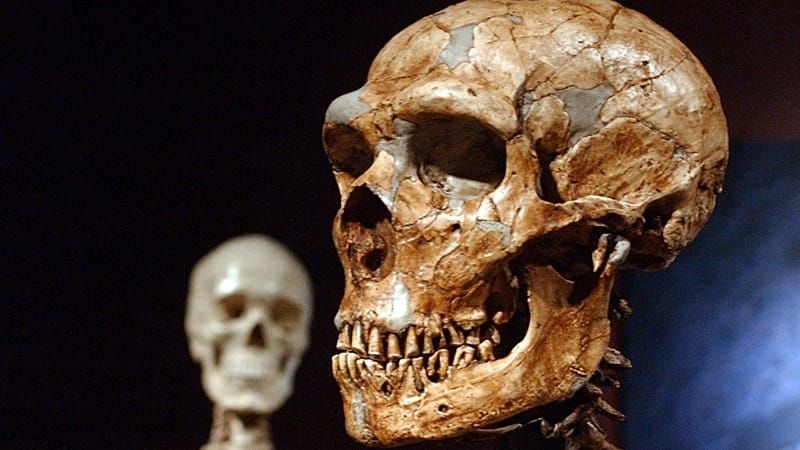
Neanderthal gene variant linked to lower schizophrenia risk, study finds Modern humans have Neanderthals to thank for a common genetic variant that affects the occipital lobe. Euronews · Nov 17
Ancient DNA and modern genomes can reveal stories of past peoples, from the Iron Age to Chernobyl, geneticist says Ingrida Domarkienė, a geneticist at Vilnius University in Lithuania, discusses the exciting developments made possible by studying ancient and modern DNA. LiveScience · Apr 24, 2025
Scientists have discovered a 50,000-year-old herpes virus – and perhaps how modern humans came to rule the world Revolutionary ancient DNA evidence indicates that Homo sapiens finished off Neanderthals through deadly infectious diseases, says academic Jonathan Kennedy The Guardian - UK · May 30, 2024
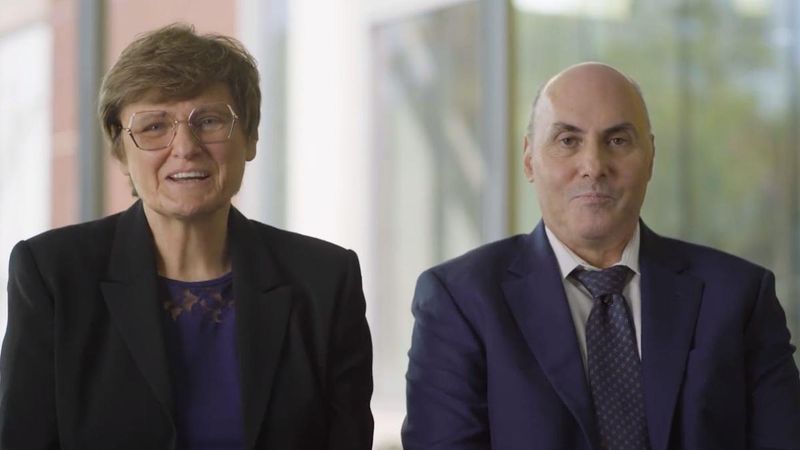
Medicine Nobel 2023 awarded to Katalin Karikó, Drew Weissman for their work in mRNA vaccines The 2023 Nobel Prize for Medicine or Physiology has been awarded to Katalin Karikó and Drew Weissman for their discoveries concerning nucleoside base modifications that enabled the development of effective mRNA vaccines against COVID-19. The Hindu · Oct 2, 2023
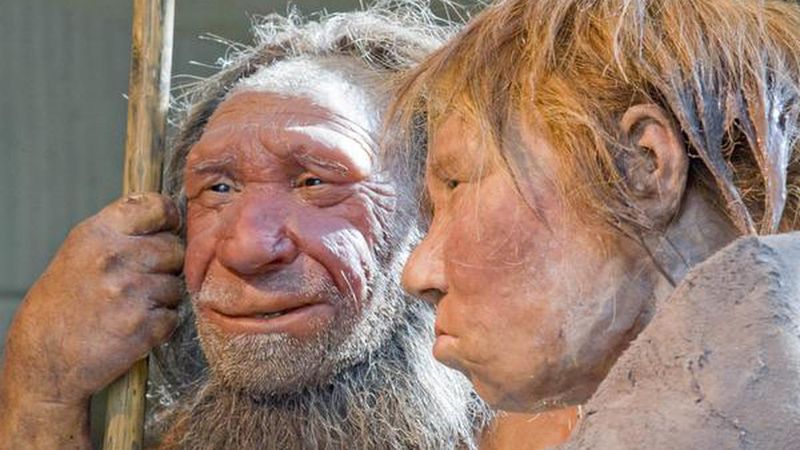
Explained | Are Neanderthals to blame for the long and short of the human nose? A recent study used 2D images and measures of the distance between facial landmarks, computed in an automated fashion, in over 6,000 Latin American individuals as the basis for a genetic association study. The Hindu · May 21, 2023
Studying ancient human DNA has unlocked our origins — but the ethics are hazy Paleogenomic research has expanded rapidly over the past two decades, igniting heated debate about handling remains. Who gives consent for study participants long gone — and who should speak for them today? Inverse · Jan 29, 2023
Neanderthal DNA lives on in us An evolutionary biology professor explains the growing understanding and innovation regarding Neanderthal DNA Salon · Oct 21, 2022
Behind this Nobel prize is a very human story: there’s a bit of Neanderthal in all of us Svante Pääbo deserves his accolade – palaeogenetics is an expanding field that tells us who we are, says archaeologist Rebecca Wragg Sykes The Guardian - UK · Oct 10, 2022
Science This Week | 2022 Nobel Prize, evidence of liquid water on Mars and more Here are this week’s latest findings and updates in the world of science. The Hindu · Oct 8, 2022
Nobel Prize honors paleogenomics An archeologist explains how advancements in studying ancient genomes impact our personal identity Salon · Oct 8, 2022
The Weekly Wrap for Saturday, 8 October 2022 On Thursday, 37 people were massacred in rural Thailand. 22 were children under the age of five. The current orthodoxy is to place the victims in the centre of the frame. Today, we think it important to reverse it. inkl Originals · Oct 8, 2022
Our *Homo sapiens* ancestors shared the world with Neanderthals, Denisovans and other types of humans whose DNA lives on in our genes When the first modern humans arose in East Africa sometime between 200,000 and 300,000 years ago, the world was very different compared to today. Perhaps the biggest difference was that we – meaning people of our species, Homo sapiens – were only one of several types of humans (or hominins)… The Conversation · Oct 7, 2022
Exhuming new light: On 2022 Medicine Nobel Svante Paabo’s Medicine Nobel win should inspire biologists to shun academic straitjacket The Hindu · Oct 5, 2022
What’s next for ancient DNA studies after Nobel Prize honors groundbreaking field of paleogenomics For the first time, a Nobel Prize recognized the field of anthropology, the study of humanity. Svante Pääbo, a pioneer in the study of ancient DNA, or aDNA, was awarded the 2022 prize in physiology or medicine for his breathtaking achievements sequencing DNA extracted from ancient skeletal remains and reconstructing… The Conversation · Oct 4, 2022
Inverse · Oct 3, 2022 Scientist wins Nobel Prize for work that revealed the first Neanderthal-human relationship The Royal Swedish Academy of Sciences announced the Nobel Prize in Physiology or Medicine went to Svante Pääbo for his work in decoding the Neanderthal genome.
The Conversation · Oct 3, 2022 Nobel prize: Svante Pääbo's ancient DNA discoveries offer clues as to what makes us human The Nobel prize in physiology or medicine for 2022 has been awarded to Svante Pääbo from the Max Planck Institute for Evolutionary Anthropology in Leipzig, Germany, “for his discoveries concerning the genomes of extinct hominins and human evolution”.
Evening Standard · Oct 3, 2022 Who is Svante Pääbo? Swedish scientist wins Nobel Prize The Swedish scientist isn’t the first in his family to win a Nobel Prize
Evening Standard · Oct 3, 2022 Nobel Prizes 2022: Categories, dates, and winners of this year’s prizes Svante Pääbo, a Swedish scientist, won the Nobel Prize in Physiology or Medicine
The Hindu · Oct 3, 2022 Explained | 2022 Nobel Prize winner Svante Pääbo’s research on human evolution Dr. Svante Pääbo had published the first Neanderthal genome sequence in 2010.
The Independent UK · Oct 3, 2022 Nobel Prize in medicine goes to Swedish scientist for discovering genome of extinct human ancestors Dr Svante Pääbo is also behind discovery of a previously unknown extinct hominin species
The Guardian - UK · Oct 3, 2022 Swedish geneticist wins Nobel prize for Neanderthal research Svante Pääbo receives 2022 award in physiology or medicine for genome discoveries including Neanderthals
The Hindu · Oct 3, 2022 Medicine Nobel goes to Swedish scientist Svante Pääbo for sequencing Neanderthal genome The Nobel Prizes for 2022 kickstarted with the Physiology or Medicine Nobel announcement







 The Hindu
 The Conversation
 The Guardian - UK
 Evening Standard
 Inverse
 Salon
 Euronews
 inkl Originals
 LiveScience
 The Independent UK
