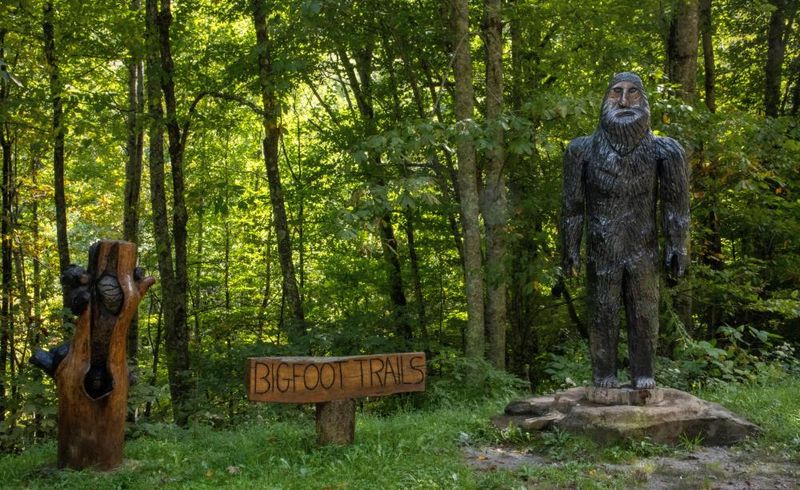
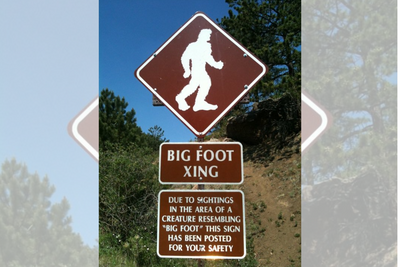
US releases files on suspected Bigfoot sightings in Montana and Oregon Forest Service releases files months after residents in rural Ontario reported encounters with massive figures The Guardian - US · Nov 22
Why US Biologist Said 15-Inch Washington Footprints 'Appear Very Natural' Before Ruling Out Bigfoot in 1982 Released Bigfoot files describe why a US biologist doubted 15-inch Washington footprints in 1982 despite their natural appearance. International Business Times UK · Nov 22
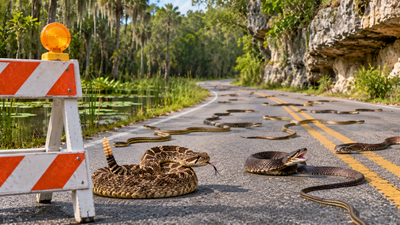
US shuts 4-kilometre road twice a year to protect migrating snakes A road in southern Illinois, known as Snake Road, closes twice a year for migrating reptiles. The closures occur in spring from March 15 to May 15 and in autumn from September 1 to October 30. This seasonal measure helps protect more than 23 species of snakes and other wildlife… The Times of India · Nov 12
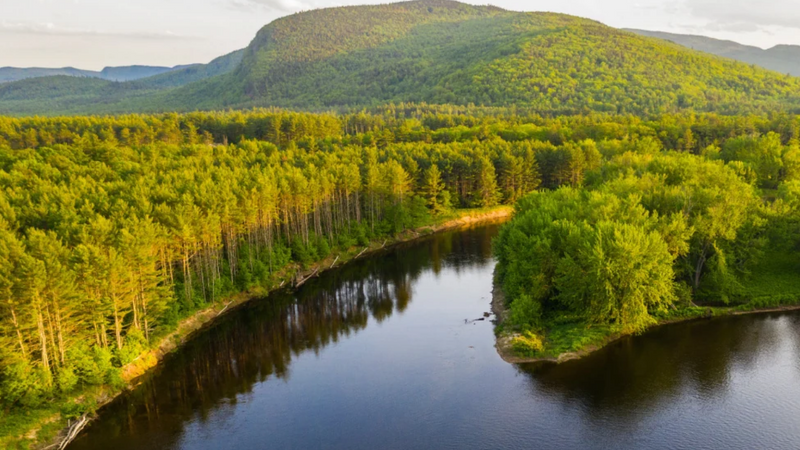
Maine Forest Protections Secure Jobs: Coalition preserves 27,000 acres; working forest still supports timber, recreation In a remarkable achievement, over 27,000 acres of forestland in western Maine have been safeguarded through collaborative conservation efforts. This extensive initiative spanned six years, bringing together environmental groups, state agencies, and local trusts. Preserving this land is vital for ensuring clean drinking water for more than 200,000 residents while… The Times of India · Oct 30
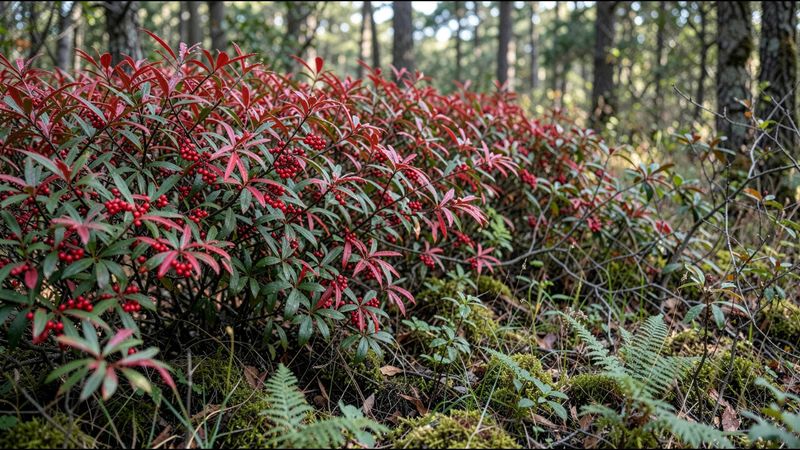
Heavenly bamboo invades US forests, while its red berries can poison birds Introduced to America as an ornamental plant in the early 1800s, heavenly bamboo has become a concern in parts of the country because of its ability to spread into natural areas and its toxic berries. Despite its name, Nandina domestica is not a true bamboo. Native to Asia, this evergreen… The Times of India · Oct 18
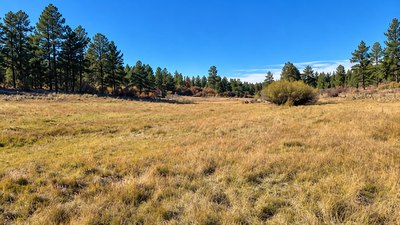
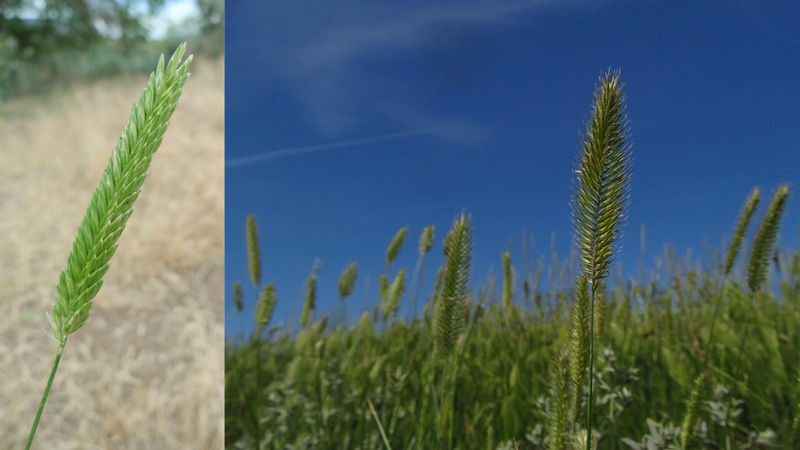
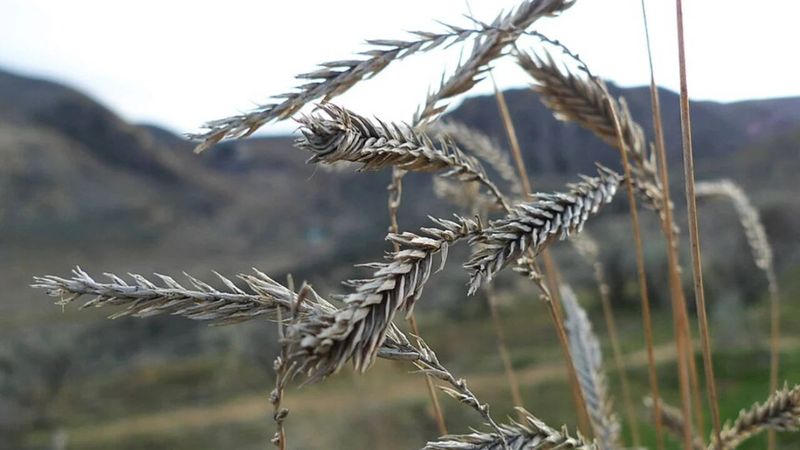
Crested Wheatgrass Plantings: Introduced grass still shapes US rangelands; restoration now harder Crested wheatgrass made its way to the United States in the early 1900s primarily for the purpose of rangeland restoration, especially taking off during the hardship of the 1930s when ecological and economic difficulties arose. While it serves as excellent forage for livestock, its invasive nature can threaten native grasslands,… The Times of India · Oct 17
Crested Wheatgrass Legacy: US seeding over 6.4m acres reshaped sagebrush; recovery still lags In the mid-20th century, land management initiatives focused on transforming sagebrush habitats into grasslands suitable for livestock. The introduction of crested wheatgrass thrived, but unfortunately, it hindered the growth of native plants. This widespread seeding significantly altered ecosystems, leading to a decline in wildlife relying on sagebrush. Current restoration aims… The Times of India · Oct 16
Bears Ears Monument Shifts: Obama creates vast tribal reserve; Trump and Biden redraw boundaries In December 2016, Bears Ears National Monument was established to safeguard important lands for Indigenous tribes. However, unique interpretations of this designation have emerged over different administrations. President Trump dramatically diminished the monument’s size by 85% in 2017, but in 2021, President Biden reinstated most of the previous borders. Yet,… The Times of India · Oct 13
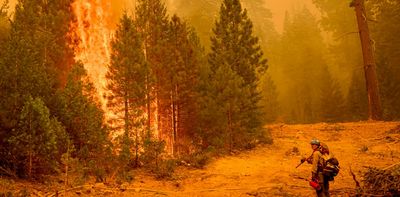
2 killed as helicopter crashes while battling wildfire in California’s Yosemite National Park Two members of a helicopter crew were killed Sunday after their aircraft crashed while taking part in firefighting operations at Yosemite National Park in California, according to the US Forest Service. The helicopter was assisting crews battling the Dome Fire, which has burned more than 3,000 acres in the park. The Times of India · Sep 21
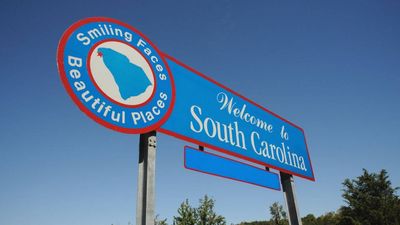
2,000 acres of South Carolina forest saved from development, added to national forest In a quiet but decisive win for conservation, a 1,950-acre tract of South Carolina forest that once faced the threat of development has been permanently protected as part of Sumter National Forest. The Nature Conservancy purchased the land in 2023, held it while paperwork and funding were finalised, and has… The Times of India · Sep 19
Wildfire strategy doesn’t need a winner – with 3 camps fighting for dominance, the system can’t keep up with the risk One of the problems with how America deals with wildfires is thinking there is one primary strategy that can end the nation’s wildfire crisis. Whether that’s detecting and putting out every fire fast, increasing logging and forest thinning, or allowing fires to burn under safe conditions, the default choice today… The Conversation · Sep 14
Colorado family protects 684-acre ranch after 90 years; old cabin was ranger post After more than 90 years of family stewardship, Colorado’s 684-acre Ute Ranch has gained permanent protection through a donated conservation easement. The historic working ranch will remain privately owned and continue supporting agriculture, wildlife and water resources while preserving its historic buildings and landscape for future generations. The Times of India · Sep 9
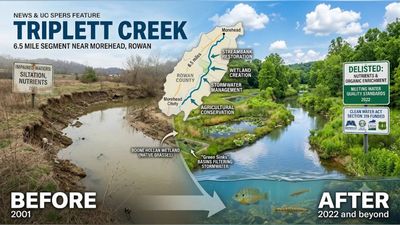
In 2001, Kentucky flagged 6.5 miles of Triplett Creek for silt and nutrient pollution. 21 years later, monitoring found it met standards and cleared 2 pollution listings Triplett Creek water quality: Triplett Creek's water quality improved significantly after extensive restoration work. Years of planning and conservation efforts led to cleaner water. Nutrients and organic enrichment impairments were removed in 2022. This success followed significant investments through the Clean Water Act Section 319 Program. The Economic Times · Sep 7
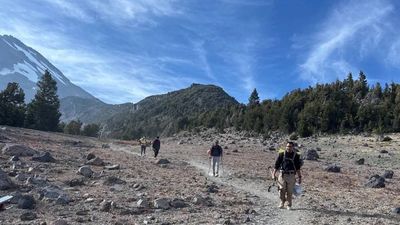
3 California hikers trusted AI to plan Mount Shasta climb; 8-hour trek became a 16-hour ordeal that left them injured, stranded overnight and ultimately rescued Three novice hikers from Roseville, California, were rescued from Mount Shasta after an attempted summit climb that they had planned with substantial help from Google's Gemini AI turned into a dangerous overnight ordeal. The three men expected their ascent to take about eight hours and carried food and water based… The Times of India · Sep 4
The Economic Times · Sep 2 In the 1830s, America imported autumn olives from eastern Asia to stop erosion and reclaim mines; now the plant infests much of the United States Autumn olive, introduced from Asia, was used for erosion control and land restoration. This shrub's nitrogen-fixing ability and rapid growth created ecological imbalances. It outcompeted native plants by forming dense thickets and altering soil conditions. Birds and mammals spread its seeds, facilitating its invasive spread across the United States. Controlling…
The Conversation · Sep 2 Pyrograzing turns ordinary livestock into fire prevention heroes, so why isn’t it used on public lands more often? In grasslands across the American West, four-legged fire prevention crews are busy at work, helping keep wildfire risk under control. These cattle, goats and sheep stomp down tall grasses as they munch their way through plants that could otherwise burn, lowering the risk of catastrophic fires in the process.
The Times of India · Sep 1 Kudzu was brought to America as a garden plant; scientists now warn its tangled vines can become wildfire fuel Kudzu arrived in the United States as an ornamental vine more than a century ago, first displayed at the Philadelphia Centennial Exposition in 1876 before being promoted for shade, livestock forage and erosion control. What began as a useful garden and agricultural plant eventually spread far beyond where it was…
The Times of India · Aug 28 Trump Forest Service official faces inquiry over diverting firefighting resources near own property The Trump administration is facing calls for an investigation into allegations that a senior US Forest Service official sought additional firefighting resources for a blaze near his private ranch in Idaho, according to a report by The Guardian.
RideApart · Aug 28 The Travel Management Revision Isn't About Off-Road Recreation. It's About Dividing The Outdoor Community The US Forest Service has moved forward with revising the country's Travel Management Rule, which establishes how new off-road trails are built, who can use them, when they can use them, and more under the guise of increasing 'off-road recreation.' That's not the case.
The Guardian - US · Aug 28 Trump official faces inquiry over claims he diverted wildfire resources to his own property Exclusive: Michael Boren, a senior official overseeing the US Forest Service, is accused by Democratic senators of ‘inappropriate interference’
The Times of India · Aug 25 In 1896, North Carolina tested sericea lespedeza as a crop; by the 1930s, officials planted it for erosion control and mine repair across the United States Sericea lespedeza, an Asian legume introduced to North Carolina in 1896 for agricultural trials, showcased remarkable resilience to adverse conditions. Initially embraced for erosion control and mine reclamation, its robust growth ultimately led to its designation as an invasive species. This scenario highlights how well-intended conservation efforts can inadvertently lead…
The Economic Times · Aug 21 In 1971, Apollo 14 carried roughly 500 tree seeds around the Moon. 55 years later, a NASA scientist has tracked down dozens of the surviving “Moon trees” still growing across America In 1971, Apollo 14 carried roughly 500 tree seeds around the Moon. The seeds were planted across America after returning to Earth, but NASA did not keep a complete record of their locations. A NASA scientist later began searching for the trees after a teacher asked about one in Indiana.…
The Guardian - US · Aug 19 Republicans reportedly fear datacenter backlash could cost them Ohio Senate seat – as it happened Jon Husted campaign reportedly concerned that rival Sherrod Brown successfully channelling outrage over energy-guzzling facilities
The Times of India · Aug 16 Hawaii’s 34,000 acres of managed eucalyptus plantations could become a local source of lumber for homes and infrastructure Hawaii's heavy reliance on imported building lumber may soon change, thanks to promising research into local eucalyptus. Scientists are evaluating the strength and durability of this homegrown resource to establish engineering design values necessary for structural uses. By successfully validating these traits, this initiative aims to lessen dependence on foreign…
The Times of India · Aug 13 In 2006, Alaska began rebuilding a creek damaged by decades of gold mining; the first restored stretch was followed by a six-fold rise in salmon runs For decades, gold mining has done more than alter the scenery around Resurrection Creek in Alaska, it has changed the creek itself. Degradation of riverbanks, alteration of stream channels and loss of wetlands that once provided habitat for salmon and wildlife. But nearly 20 years ago, restoration efforts began to…










 The Independent UK
 The Guardian - US
 The Times of India
 Los Angeles Times
 WEKU
 The Conversation
 The Economic Times
 Top News
 Tribune News Service
 RideApart
 Advnture
 Capital & Main
