UK theme parks, zoos and museums among attractions closed due to extreme heat Museums, parks and zoos will be closed across the country due to the temperature The Independent UK · Jun 24
Defying the Myth: Carol Allen-Storey's decade-long documentary project is one of the most powerful photography books of the year Spending more than 10 years embedded with three single mothers, raising children with severe disabilities, has resulted in a beautiful and technically assured piece of work Digital Camera World · Jun 16
Natural history GCSE to teach teenagers to plant wildflower-friendly gardens Long-awaited course to examine human effects on natural world and explore everyday ways to aid biodiversity The Guardian - UK · Jun 11
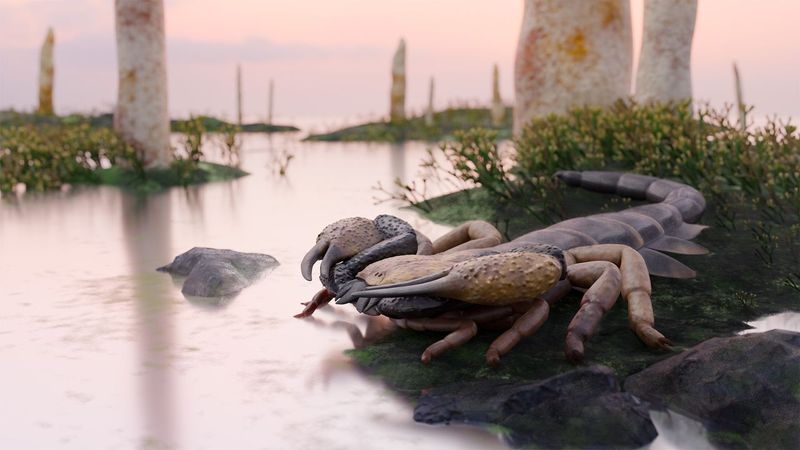
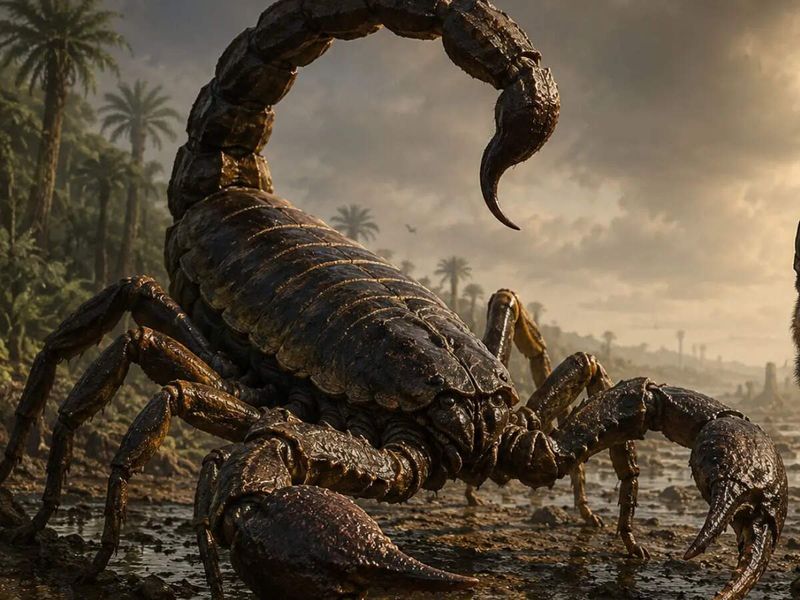
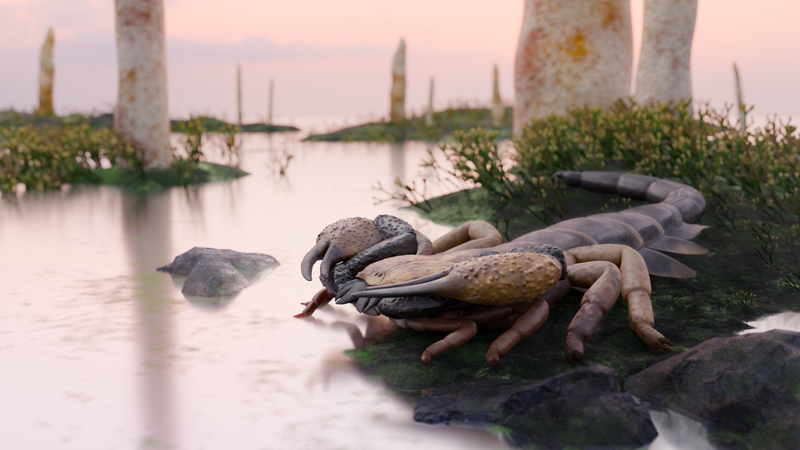
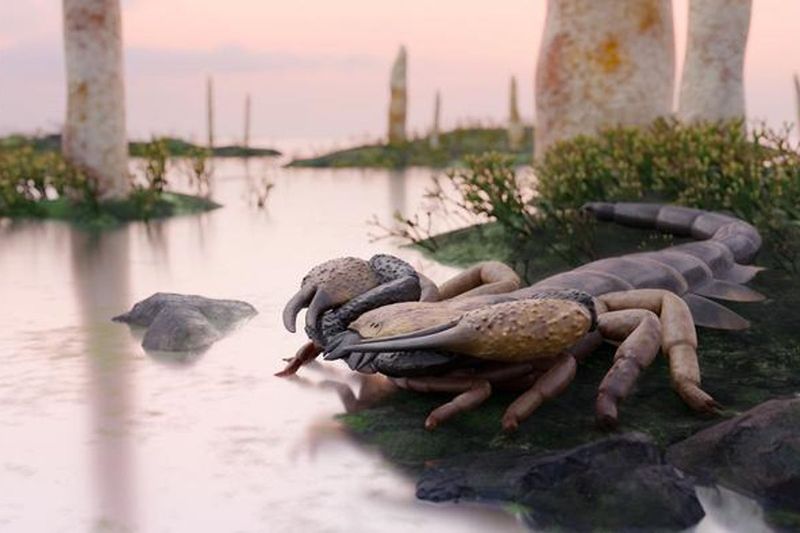
World's largest scorpion had 6-inch pincers, and prowled UK land and waters 415 million years ago Enigmatic 415 million-year-old fossils belong to a giant scorpion that may have reached lengths of around 3 feet (1 meter), a remarkable body size because most life on land at that time was small. LiveScience · Jun 5
The Scorpion King was real: Venomous creature as long as a full-grown German Shepherd once ruled the Earth before Dinosaurs Ancient fossils reveal giant scorpions, Praearcturus gigas, exceeding a meter in length, dominated Britain over 400 million years ago. These predators were larger than modern dogs and ruled their environment long before dinosaurs. This discovery challenges previous understandings of when and how such large arthropods evolved. The findings offer a… The Economic Times · Jun 5
This 415-million-year-old monster scorpion existed before trees, and it's the biggest ever Scientists have identified Praearcturus gigas, a one-meter-long scorpion from the Early Devonian period, as the largest scorpion ever discovered. This prehistoric predator, living around 415 million years ago, challenges previous notions of giant arthropod evolution, possibly growing massive due to low competition and aquatic adaptations. The Economic Times · Jun 4
Gigantic scorpions with formidable pincers once roamed England and Wales, fossil reveals Species emerged at a time well before the evolution of trees and lived a semi-aquatic life, scientists say The Independent UK · Jun 4
The Guardian view on gallery and museum gardens: a blooming triumph Editorial: The award-winning Tate design at the Chelsea flower show reveals how urban spaces can be transformed by bringing art and nature together The Guardian - UK · May 22
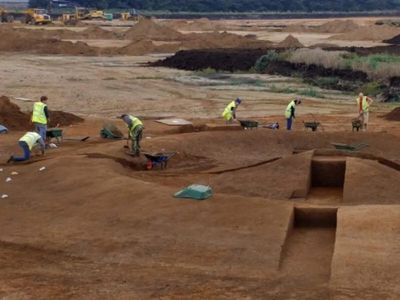
In 2018, workers building a major English highway uncovered giant Ice Age bones that revealed Britain sits on an ancient mammoth territory A Cambridgeshire highway project crew unearthed massive Ice Age mammoth bones, revealing a prehistoric landscape. This significant find, uncovered during the A14 road improvement, offered scientists a rare glimpse into ancient ecosystems and Britain's past. The discovery highlights how large-scale construction can unlock invaluable archaeological insights, preserving history before development. The Economic Times · May 22
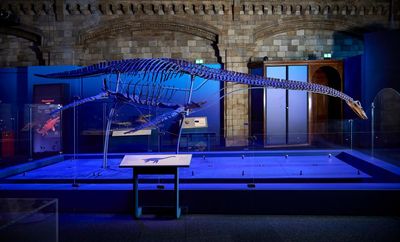
Tentacles, pointy teeth and the T-rex of the sea: the Natural History Museum on beasts that once ruled the oceans A new exhibition, Jurassic Oceans, showcases the fearsome creatures that lurked below the surface – and offers a stark warning about the impact of warming waters on marine ecosystems today The Guardian - UK · May 21
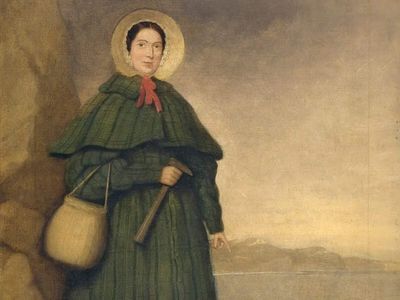
A 12-year-old’s fossil hunt changed how scientists saw ancient seas A remarkable discovery by the Anning family on England's Lyme Regis cliffs in the early 1800s unearthed an ichthyosaur fossil, revolutionizing scientific understanding. This find provided crucial evidence for extinction and deep time, challenging prevailing beliefs. Mary Anning, a self-taught fossil hunter, made significant contributions, though often overlooked due to… The Economic Times · May 19
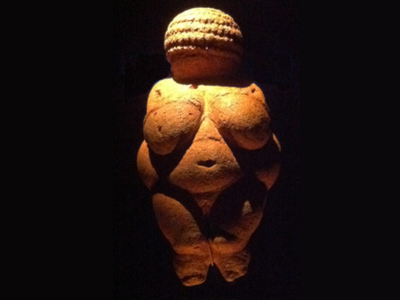
In 1908, a worker sifting soil beside the Danube uncovered a tiny chalk-covered figure that became one of the world’s most famous prehistoric artworks A 1908 Austrian excavation unearthed the Venus of Willendorf, a 29,500-year-old figurine. This small, stylized depiction of a woman, found near the Danube, sparked immense debate about Ice Age civilizations and their artistic capabilities. Its origins and symbolic meaning remain a mystery, making it a cornerstone of prehistoric archaeological study. The Economic Times · May 13
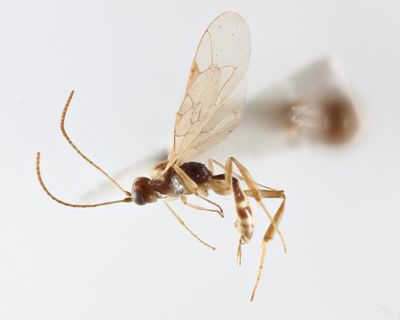
New species named in honour of Sir David Attenborough’s 100th birthday The wasp, named ‘Attenboroughnculus tau’,is both a new species and genus The Independent UK · May 7
Tiny parasitic wasp named after David Attenborough for his 100th birthday Specimen from 1983 lay forgotten at Natural History Museum until recently, when spotted by a volunteer and identified as new genus The Guardian - UK · May 7
Evening Standard · May 5 Rare species face extinction risk from some deep-sea mining, scientists say The process could have a devastating effect on species in deep sea habitats, experts said.
The Independent UK · Apr 29 Immersive David Attenborough show to be made free for his 100th birthday ‘Our Story With David Attenborough’ will be showcased at Outernet London in Tottenham Court Road
Evening Standard · Apr 29 Immersive David Attenborough exhibition to be turned into free London show The natural history presenter will turn 100 on May 8.
The Times of India · Apr 23 Palaeontologists identify a new coelacanth species from a 150-year-old fossil in London The Natural History Museum in London has discovered a previously unknown species of coelacanth from fossil remains that date back about 150 years (Macropoma gombessae). The new coelacanth is important because it helps to fill in a huge evolutionary gap of about 50 million years for coelacanths, one of the…
The Independent UK · Apr 7 What a piece of 15,0000-year-old jewellery found in a Devon cave tells us about this prehistoric ‘civilization’ Even when living hundreds of miles from the sea, Magdalenian people had a strong cultural connection to it
Bored Panda · Apr 5 79 Times People Found Interesting Fossils And Asked Others To Identify Them Our planet has been around for several billion years, a number so huge it is hard to fully understand. In all those years, countless creatures and organisms have lived and vanished, and a few left behind pieces of their existence. Those eventually became fossils, giving us a rare chance to…
Digital Camera World · Mar 25 One of only 2,000 Iberian lynx captured in stunning photo gains top prize and international attention – "It's the highlight of my 30 years as a nature photographer," says winner "The journey to take this image was more than just another photographic adventure, it was the pursuit of a dream that had been with me for years," says winner of the Wildlife Photographer of the Year People's Choice Award 2026
Evening Standard · Mar 25 Playful lynx wins public vote in Wildlife Photographer of the Year competition The prize is the ‘highlight’ of 30 years as a nature photographer, winner says.
The Independent UK · Mar 24 This is why the Natural History Museum is the most important attraction in the UK It comes as no surprise to Londoner Queenie Shaikh that the museum famous for its dinosaur skeletons has taken the crown as the most popular attraction in the UK. Here’s why she thinks it’s a must-visit for all ages
The Times of India · Mar 21 Cartoon character Dooly comes to life? South Korea finds rare ‘baby’ dinosaur from 100 million years ago For the first time in 15 years, South Korea has announced that it has found a new dinosaur species! The discovery was made using advanced technology and through international collaboration. The dinosaur is called Doolysaurus huhmini and lived around 100 million years ago during the mid-Cretaceous period.
Euronews · Mar 20 These are the UK’s most popular tourist attractions, from the Natural History Museum to Stonehenge How many of these museums, galleries and monuments have you been to?














 The Independent UK
 Evening Standard
 The Guardian - UK
 LiveScience
 Digital Camera World
 Daily Mirror
 The Times of India
 Wales Online
 The Conversation
 The Economic Times
 Bored Panda
 Zenger
