Get Premium
Dark mode theme is available exclusively for premium users. Learn more about the benefits of subscribing.
No fees, cancel anytime.

 Dark Mode Ad-Free Browsing Unlimited Content
 Ad-Free Browsing Unlimited Content Dark Mode
Join 1.2 million Panda readers who get the best art, memes, and fun stories every week!
Behind the quiet presence and watchful eyes of the wild lies a world of deep feelings, logic, and rich emotional lives that standard biology textbooks completely missed. Every other day, researchers are dropping new proof that animals possess levels of intelligence and emotion that rival our own.
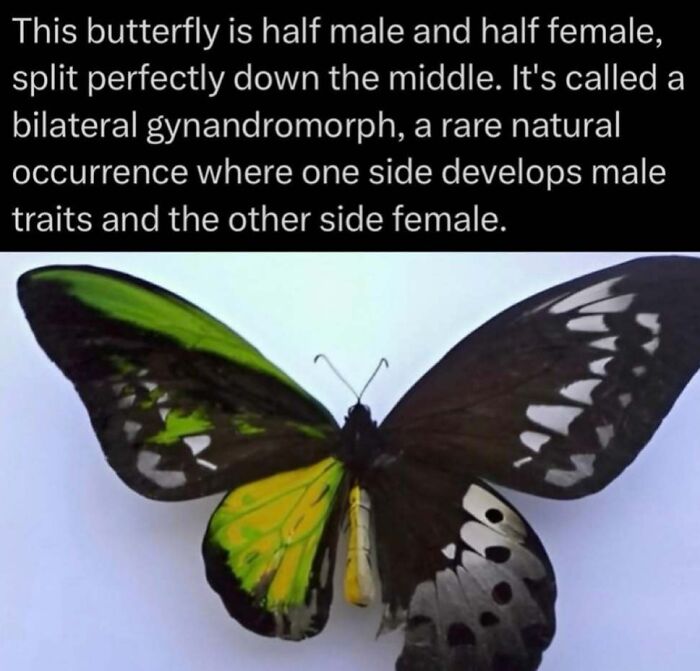
For instance, did you know there is a butterfly out there that is literally split right down the middle — half male and half female? Or that there is a certain wild animal that fully supports adoption?
The online community @explaining.animals is blowing minds by updating the wildlife playbook, one post at a time. We gathered their most fascinating and viral breakdowns right here.
This list might even help you figure out whether you can take a nap with a cheetah, a leopard or a jaguar. Let’s find out below.
This post may include affiliate links.
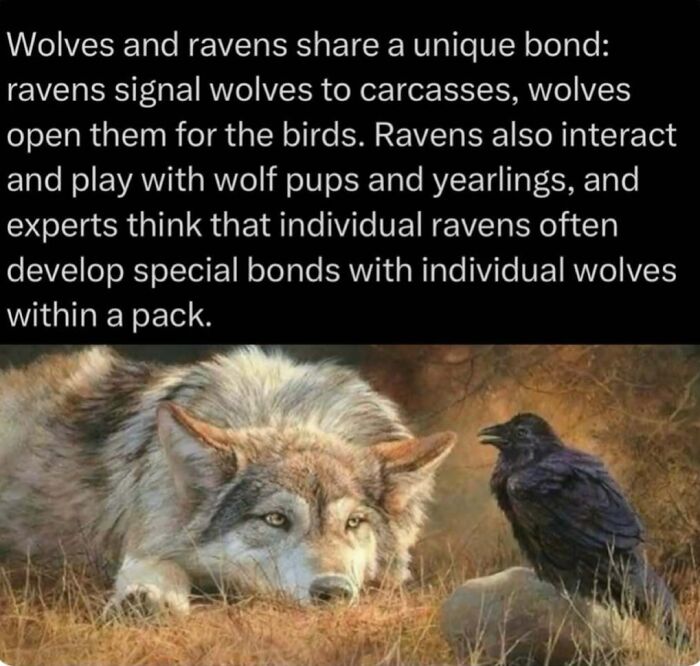
Wolves and ravens share a fascinating partnership in the wild. Ravens often fly over large areas searching for food, and when they find a carcass they may signal nearby wolves. The wolves, with their powerful jaws, can tear open the tough hide of the carcass, making it possible for the ravens to feed as well. In this way, both animals benefit from each other’s abilities.
Their relationship goes beyond simple cooperation. Ravens are known to interact playfully with wolf pups and yearlings, sometimes hopping around them or tugging at objects to start a game. Experts believe that some ravens may even form special bonds with particular wolves in a pack, showing that this unusual partnership between bird and predator can be both practical and surprisingly social.
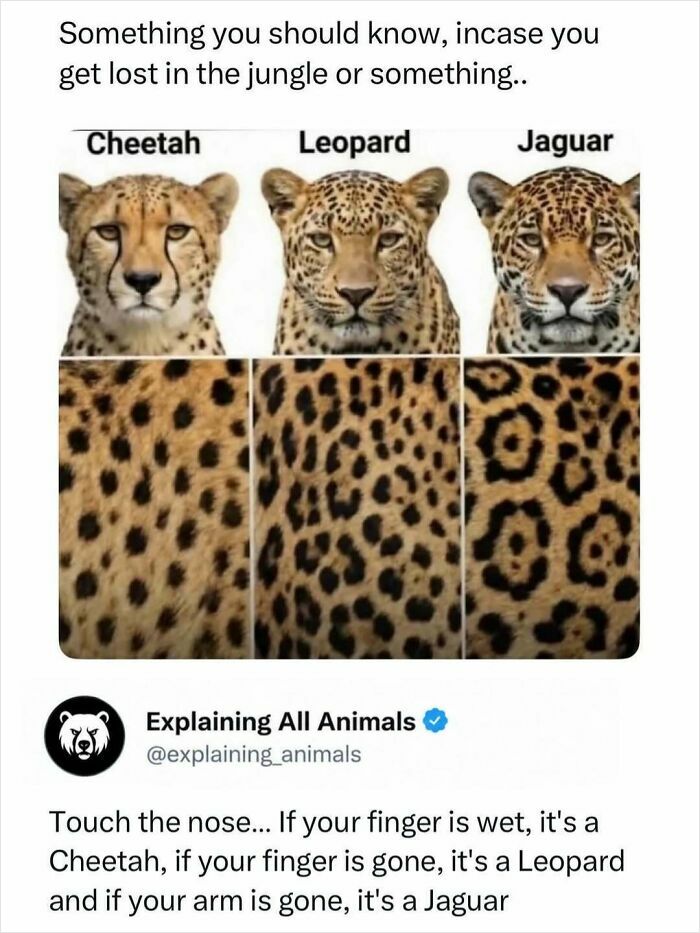
At first glance, cheetahs, leopards, and jaguars can look surprisingly similar, but their spot patterns reveal clear differences. Cheetahs have simple solid black spots, leopards display smaller rosette-shaped markings without a dot in the center, and jaguars have larger rosettes that often contain a spot inside. Cheetahs are also easy to recognize by the distinctive black “tear marks” that run from their eyes to the corners of their mouths.
This is one of those wildlife facts that sounds incredibly useful until you imagine encountering one of these animals in real life. In theory, identifying the exact pattern could help you tell the species apart. In practice, however, most people would probably be much more focused on the fact that a powerful big cat is standing nearby than on whether its spots happen to have dots in the middle.
Cheetahs really look quite different, in my opinion. And, while leopards and jaguars are far more similar in facial features and markings, when faced with one in the wild it should be quite easy to determine species as long as you know what continent you are on.
It can be difficult to completely interpret animals’ emotions, but there is plenty of evidence that they lead complex mental and emotional lives.
Because animals cannot use words to express themselves, recognizing their body language and emotions is the only way to ensure they are happy, healthy, and free from distress.
“If we don’t understand how these animals think, then we won’t understand what they need. And if we don’t understand what they need, then we can’t design better environments for them,” Jan Langbein, an ethologist at Research Institute for Farm Animal Biology in Germany, told the Science journal.
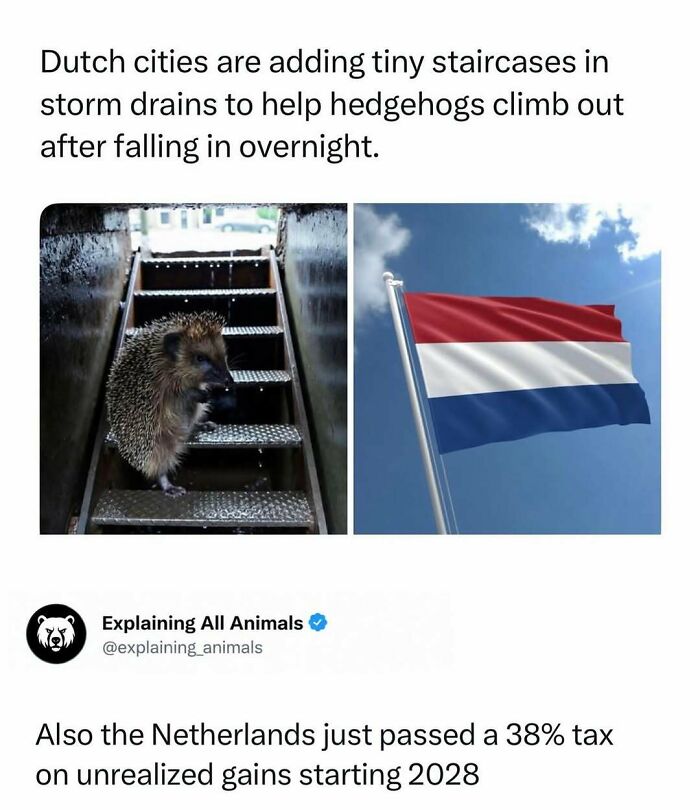
The Netherlands has captured hearts around the world with a surprisingly simple conservation idea: tiny staircases built inside storm drains to help trapped hedgehogs climb back to safety. Wildlife groups estimate that thousands of hedgehogs accidentally fall into drains each year and become stuck because they cannot scale the steep walls. By installing miniature escape routes, Dutch cities are giving these small animals a much better chance of survival, especially during colder months when conditions can be harsh.
The project has gone viral online because it combines practicality with kindness in a way that many people find inspiring. Photos of hedgehogs using the tiny staircases have delighted animal lovers, while conservationists point out that small changes can make a big difference for wildlife. Alongside bee-friendly spaces and wildlife crossings, these animal-safe drains show how thoughtful urban design can help protect declining species and create cities that are friendlier for both people and nature.
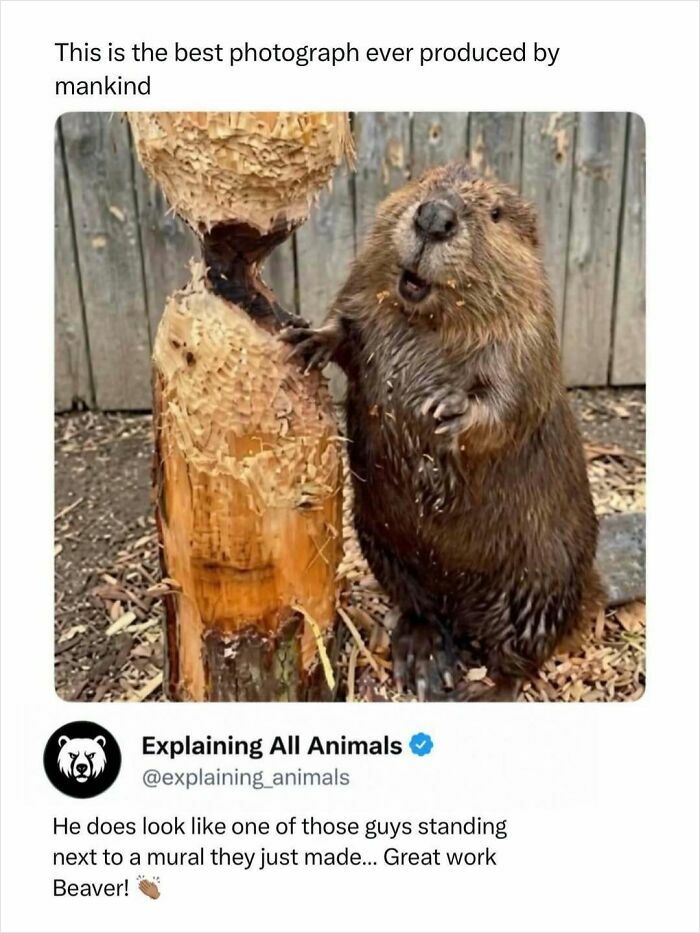
Beavers are among nature’s most impressive engineers. These large semi-aquatic rodents, found in North America and Eurasia, have front teeth reinforced with iron, giving them their distinctive orange color. Their teeth are strong enough to cut through trees and continue growing throughout their lives, ensuring they never wear down from constant use.
What makes beavers especially fascinating is their ability to reshape entire landscapes. Rather than felling trees at random, they carefully carve trunks into an hourglass shape to control how the trees fall. They then use the wood to construct dams that create ponds, providing protection from predators and storing food for winter. These ponds become valuable habitats for many other plants and animals, making beavers a keystone species often described as nature’s original architects.
To bridge this gap, Langbein and his team are treating livestock like the smart creatures they actually are.
They have done experiments to track cow friendships, watching how pairs interact and measuring their stress levels when they get split up.
Another study by the team even found that pigs will go out of their way to bail out a trapped buddy, showing a clear sense of empathy.
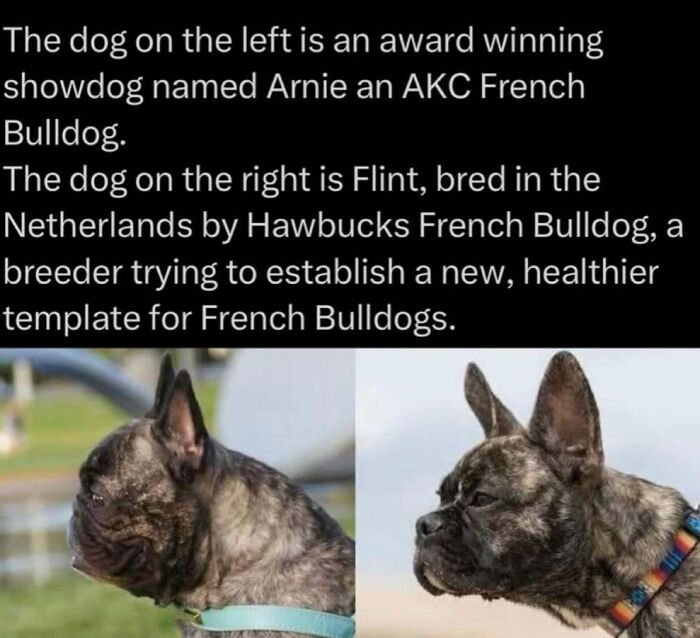
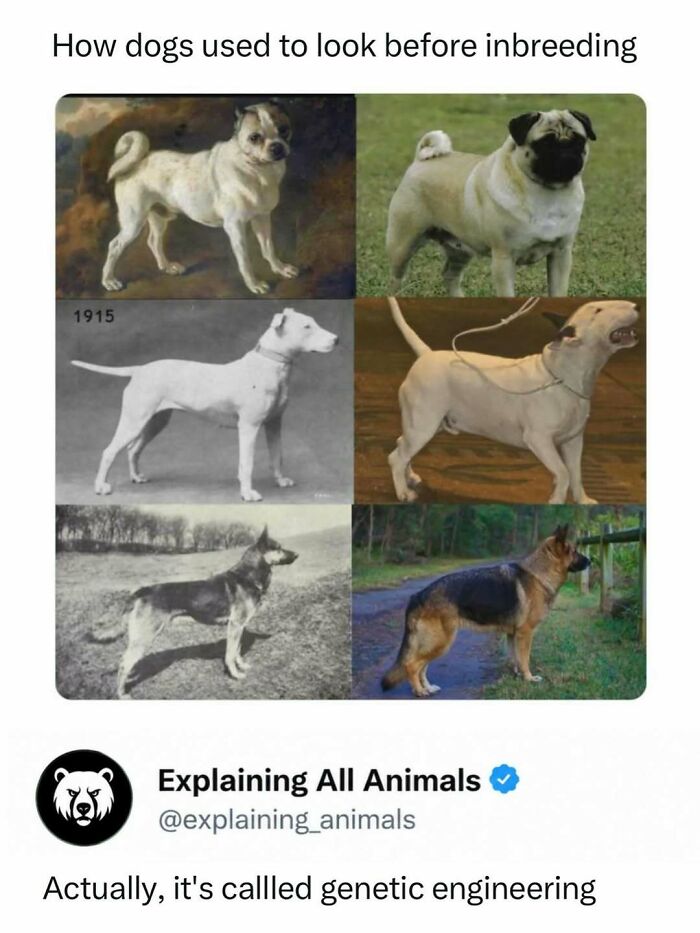
Bulldogs have been bred for many years to have extremely flat faces, a trait known as Brachycephaly. While this appearance became popular, it has caused serious health problems. Many Bulldogs struggle with breathing, overheat easily, and can suffer from spinal and joint issues because their bodies are not shaped in a healthy way.
Today, some breeders and veterinarians are working to improve the breed’s health. By breeding Bulldogs with slightly longer snouts and better body proportions, they hope to reduce these health problems. These changes aim to help Bulldogs breathe more easily, move more comfortably, and live longer, healthier lives.
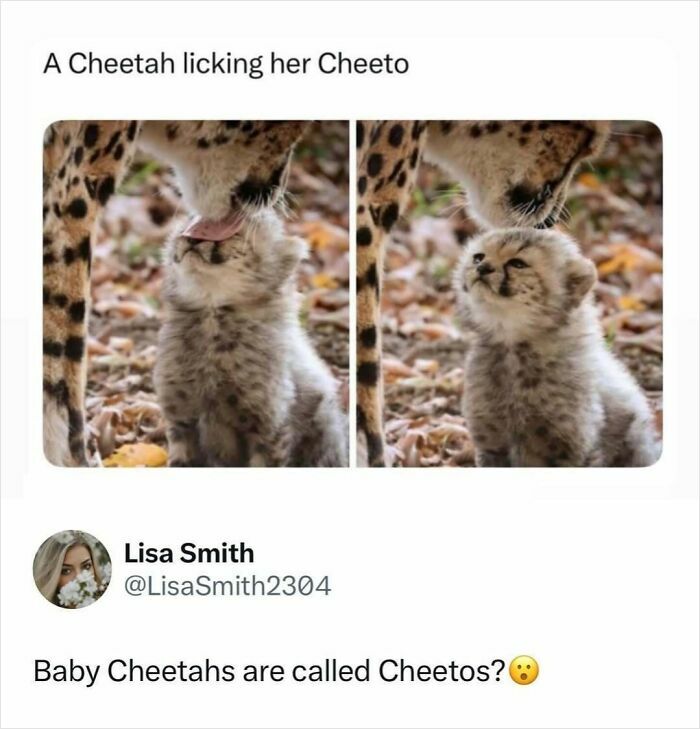
Cheetahs are famous for being the fastest land animals on Earth, capable of reaching incredible speeds in just seconds, but they also have a surprisingly gentle side. Mother cheetahs are extremely affectionate and protective toward their cubs, spending nearly every moment grooming, cuddling, and guarding them from danger. Baby cheetahs are born with a fluffy silver-gray mantle running down their backs, which helps them blend into tall grass and may even make them resemble fierce honey badgers, discouraging predators from getting too close.
Life is challenging for cheetah cubs in the wild, and many do not survive their first few months, which makes the bond between mother and cub especially important. Young cubs stay close to their mothers as they learn essential hunting and survival skills through play and observation. Despite belonging to one of Africa’s most skilled predators, cheetah cubs often look more adorable than intimidating - which is probably why so many people jokingly insist they should officially be called “cheetos” instead of cubs.
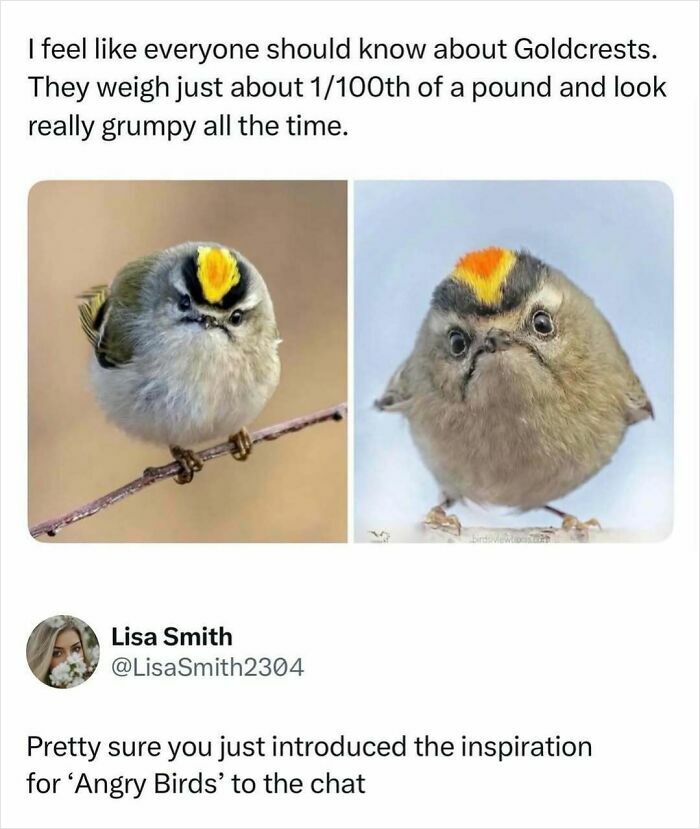
Goldcrests are some of the tiniest birds on Earth, weighing only a few grams, yet they are packed with energy and personality. Found across Europe and parts of Asia, these miniature songbirds are easy to recognize thanks to the bright golden-orange stripe on their heads, which looks almost like a tiny crown. Their soft olive feathers help them blend into forests and woodlands, but their lively movements and cheerful calls make them stand out to birdwatchers. Despite their delicate appearance, goldcrests are surprisingly tough and can survive freezing winters by constantly searching for insects hidden among branches and leaves.
One of the most charming things about goldcrests is their expressive appearance. Their large eyes and rounded faces often give them a permanently “grumpy” or serious look, which many people find adorable. These tiny birds rarely stay still, darting rapidly through trees with incredible speed and precision. Because they eat huge numbers of insects, goldcrests also play an important role in maintaining the balance of their ecosystem. Their combination of miniature size, resilience, and bold personality proves that even the smallest creatures can leave a lasting impression.
Scientists in other parts of the world are also tracking animal bodies to decode what is happening in their brains.
Researchers at UNESP in Brazil analyzed hundreds of hours of video footage —tracking subtle shifts in a cat’s facial expression or how a horse wags its tail — to build exact scales that measure physical pain.
They even packaged this data into an app called VetPain so regular pet owners can spot when their animal is hurting.
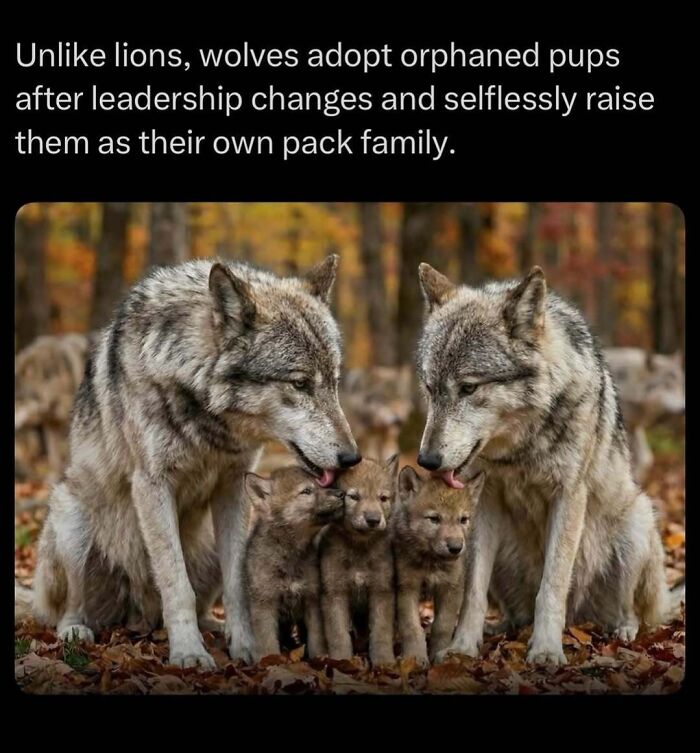
Unlike lions, who often take out cubs after a pride takeover to reset lineage, wolves sometimes respond to leadership changes with care rather than cruelty. In several documented cases, wolf packs have adopted orphaned or unrelated pups, folding them into the group as if they were born to it. This behavior reflects the wolf’s deep reliance on cooperation, where survival depends on shared bonds instead of dominance alone. By raising orphaned pups as family, wolves show how social trust and collective responsibility can be as powerful as strength in shaping a successful society.
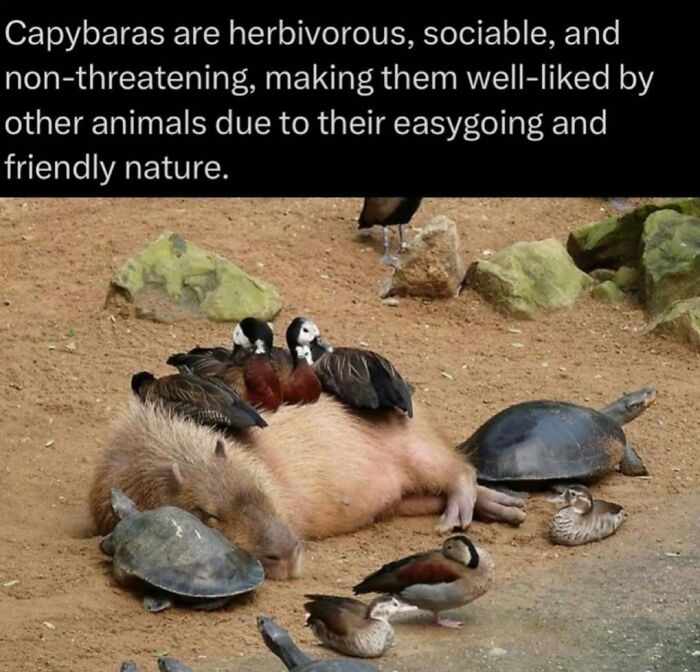
Capybaras are herbivores, meaning their diet consists entirely of plants, which contributes to their peaceful nature. As the largest rodents in the world, they might seem imposing at first glance, but their behavior tells a different story. They are calm, non-aggressive animals that pose little to no threat to other creatures. Because they do not hunt or compete for meat, they can coexist easily with a wide variety of species in their natural habitats.
Their easy-going temperament makes capybaras especially unique among wild animals. They are highly social, often living in groups, and are known for forming unlikely friendships with birds, monkeys, and even predators. Their semi-aquatic lifestyle also allows them to share space comfortably, whether on land or in water. Gentle and tolerant, capybaras seem to welcome companionship, which explains why so many animals are drawn to their presence.
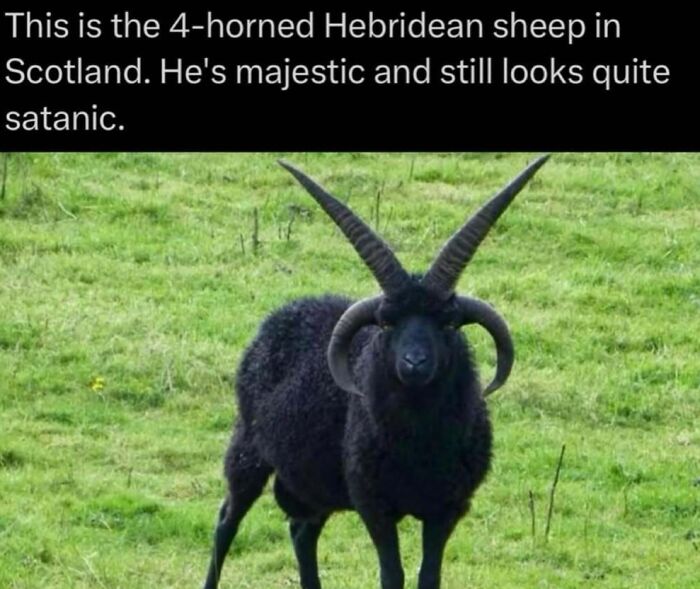
The Hebridean sheep is a primitive breed that traces its origins to the rugged islands of Scotland. Small in size but striking in appearance, these sheep are best known for their deep black wool and their unusual polycerate trait, which often gives them four horns instead of the typical two. Both males and females can develop these multiple horns, creating a dramatic, almost prehistoric look that sets them apart from modern breeds.
Once facing the threat of extinction, the Hebridean sheep made a remarkable comeback thanks to careful conservation efforts. Exceptionally hardy, they are well adapted to harsh environments and can thrive on poor, rocky land where other livestock would struggle. Today, their resilience and grazing habits make them valuable for managing wild landscapes, helping maintain natural ecosystems across the British Isles.

These studies do more than just decode the barnyard, though. They also act as a mirror for humanity.
Experts believe that humans essentially domesticated themselves when we started living in tight and cooperative groups.
By studying how animals navigate their own social rules and friendships, we can understand our own minds and behaviors.
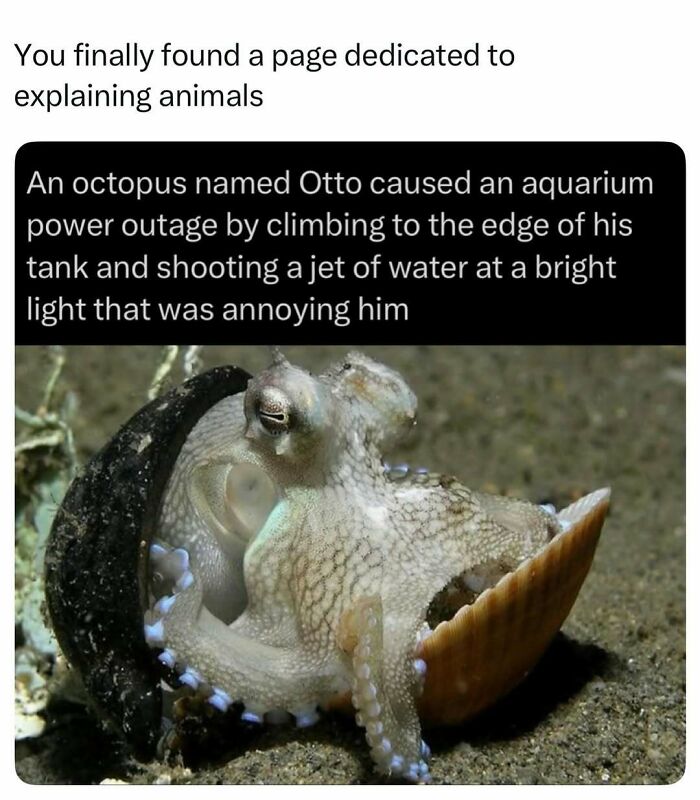
The story of Otto, an unusually clever Octopus, highlights the remarkable intelligence found in these sea creatures. Living in an aquarium, Otto became irritated by a bright light positioned above his tank. Rather than simply enduring the discomfort, he took action- climbing to the edge of his enclosure and deliberately shooting a jet of water at the light, eventually causing a short circuit and a temporary power outage. His behavior revealed not just curiosity, but a clear ability to solve problems in a targeted way.
Otto’s actions demonstrate how octopuses are far more than passive marine animals; they are active thinkers capable of interacting with their environment in surprising ways. Known for their problem-solving skills, memory, and adaptability, octopuses often challenge our understanding of animal intelligence. Otto’s small act of rebellion serves as a reminder that even creatures in captivity can display ingenuity, especially when motivated by discomfort or curiosity.
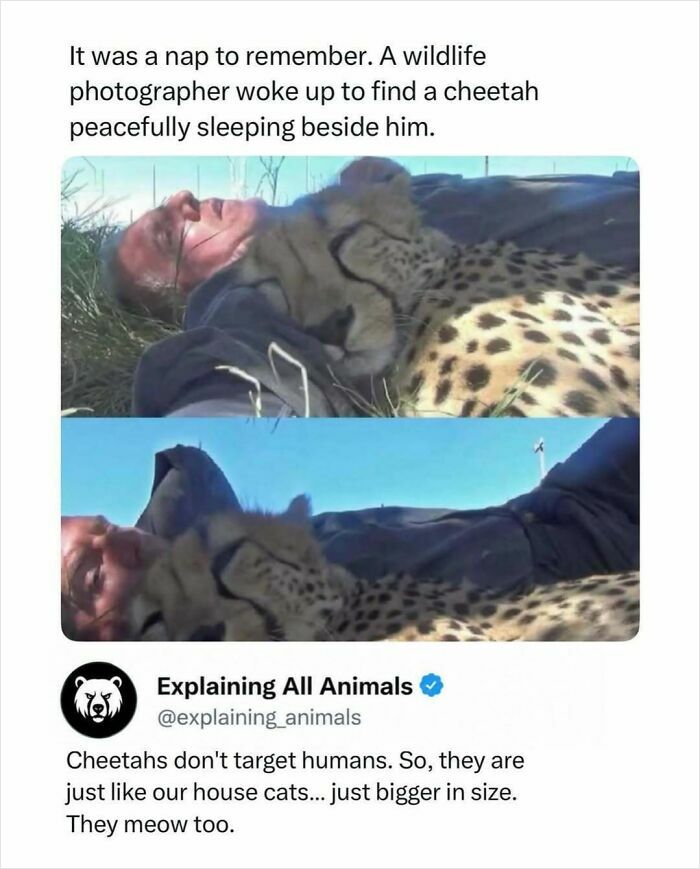
Animal behaviorist and volunteer Dolph Volker experienced an unforgettable moment when he woke from a nap under a tree to find a three-year-old cheetah named Eden curled up beside him. The encounter took place at Cheetah Experience in South Africa, where Eden had been raised in captivity and had become familiar with Volker after days of interaction within her enclosure. Curious and comfortable in his presence, she gently nudged him awake, groomed him, purred loudly, and settled into his arms for a shared nap.
The remarkable interaction offered a glimpse into the unique bonds that can develop between animals and the people who care for them. Volker calmly recorded the experience on camera and later used the widely shared footage to promote awareness of cheetah conservation. The video not only captured a heartwarming moment but also helped draw attention to the challenges facing one of the world’s most iconic and vulnerable big cats.

The photographer is forbidden to move. The cheetah has claimed it's pillow.
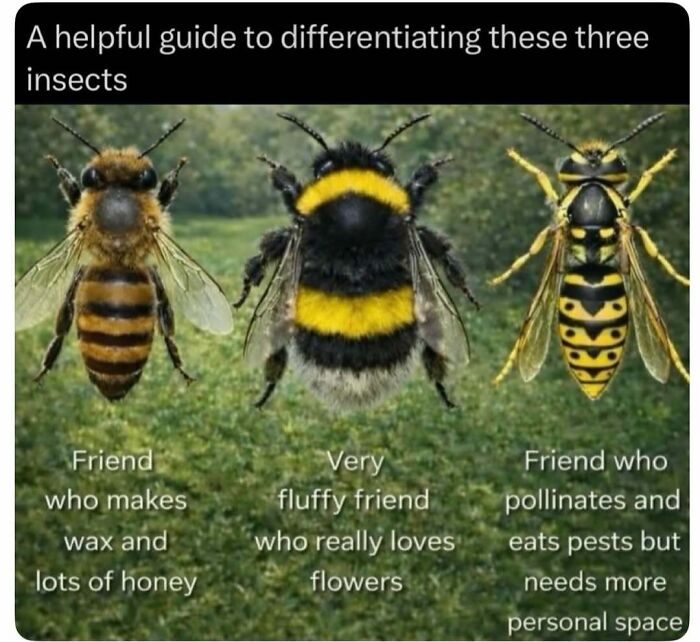
A helpful way to tell apart a honey bee, a bumblebee, and a wasp is by their appearance and roles. Honey bees are slim, golden-brown insects that live in large colonies and are best known for making wax and producing large amounts of honey. Bumblebees are bigger, rounder, and very fluffy, often covered in thick hair that helps them collect pollen as they move from flower to flower- they truly love flowers. Wasps, in contrast, have smooth, shiny bodies with narrow waists and brighter yellow-and-black patterns, making them look more sleek and less fuzzy.
Their behavior also makes identification easier. Honey bees and bumblebees are important pollinators and are usually gentle unless disturbed. Wasps also pollinate and help by eating pests, but they need more personal space and are quicker to react if bothered. Among the three, wasps are generally the most aggressive, while bees tend to be calmer and more focused on their work.
Breakthroughs in animal psychology show how human empathy, logic, and survival evolved.
“Comparative psychology research shows that animals rely on behaviors that are most likely to help them deal with the environments around them. When researchers look at the ‘context’ in which behaviors occur they gain considerable insight into what purposes the behaviors serve,” writes Daniel Marston, Ph.D., a licensed psychologist.
“Taking a similar approach allows clinical psychologists and therapists to help clients find different ways of reaching the same outcomes with behaviors that are less problematic,” he adds.
A widely shared video shows a stray dog seemingly paying for food by offering a leaf after watching customers exchange money for street skewers. While many people interpret the behavior as the dog understanding the idea of payment, animal behavior experts suggest a different explanation. The dog was likely engaging in observational learning or a conditioned response, repeating an action that had previously earned it food or attention.
Dogs are highly social animals that have evolved alongside humans and are exceptionally skilled at reading human behavior. Research on canine cognition shows that dogs can imitate simple actions and form associations between objects and rewards, even without understanding human concepts such as money or commerce. Viral moments like this capture people’s attention because they reveal how closely dogs observe our daily routines and find creative ways to interact with the human world.
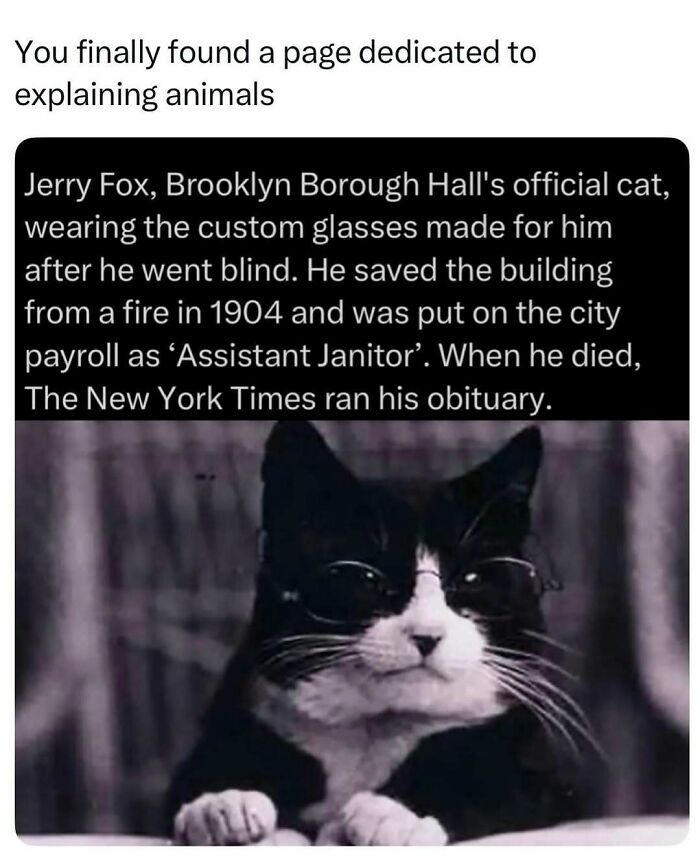
Jerry Fox was a notable cat who lived in Brooklyn Borough Hall in the early 1900s, gaining recognition for his role in controlling the building’s rat population. At a time when infestations posed serious health and structural concerns, his presence was both practical and appreciated. His effectiveness in keeping the premises free of pests earned him a reputation among staff and visitors, making him a small but memorable figure in the building’s daily life.
Beyond his duties as a mouser, Jerry Fox became locally famous after reportedly helping alert staff during a small fire in 1904. His actions contributed to protecting the building and added to his growing legend. Stories like these highlight not only the usefulness of working animals in urban settings of the past but also the unexpected ways they could become part of local history.
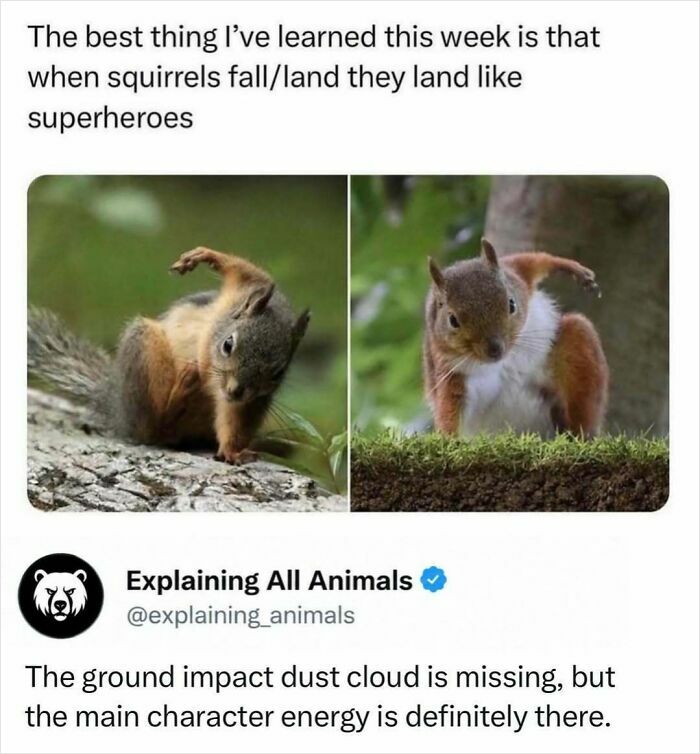
Squirrels are some of nature’s most entertaining acrobats, effortlessly leaping between branches and racing up trees with incredible agility. These bushy-tailed rodents are found on every continent except Australia and Antarctica, and they play an important role in maintaining healthy forests. By burying nuts and seeds for later use, squirrels accidentally plant countless trees when they forget where some of their hidden food is stored.
Not all squirrels live the same way. Some species can glide through the air using flaps of skin stretched between their limbs, while others survive harsh winters by building enormous food caches. Their sharp memories, quick reflexes, and impressive problem-solving abilities help them adapt to many environments, making squirrels one of the most clever and fascinating animals to observe in the wild.

Why do bp insist on repeating this 'fact' over and over when it is complete nonsense? These squirrels are grooming themselves.
As more and more animals are being left high and dry because of our actions, understanding them becomes far more than just trivia.
Activities like cutting down habitats, overfishing, polluting, and climate change are wiping out wildlife across the planet.
A study found that in a lot of places altered by us, there are almost 20% fewer species than in untouched areas.
You can see it in the Amazon, where logging is shrinking habitats for jaguars and macaws, or even in your local rivers and lakes, where chemical runoff from factories could be polluting the water and killing aquatic life.
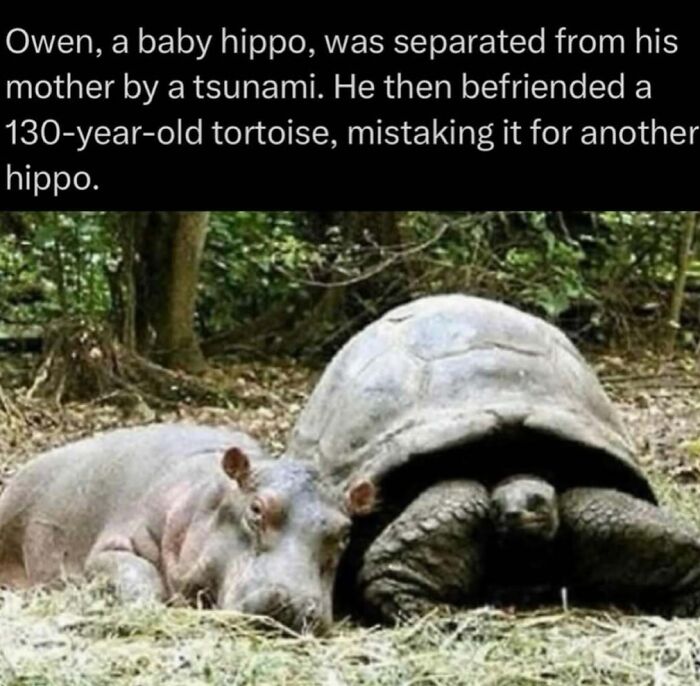
In 2004, following the devastating Indian Ocean tsunami, a young hippopotamus named Owen was separated from his herd and found stranded along the coast of Kenya. Rescuers brought him to Haller Park, where he encountered an unlikely companion: Mzee, a 130-year-old Aldabra giant tortoise. Alone and vulnerable, Owen quickly formed a strong attachment, following Mzee everywhere as if he were his mother.
This extraordinary bond between two vastly different species captured global attention and became a symbol of emotional resilience in the animal world. Owen’s behavior was likely driven by instinct and the need for comfort after trauma, showing how animals can adapt in surprising ways. Their friendship not only touched millions of people but also highlighted the capacity for connection and healing, even in the aftermath of disaster.
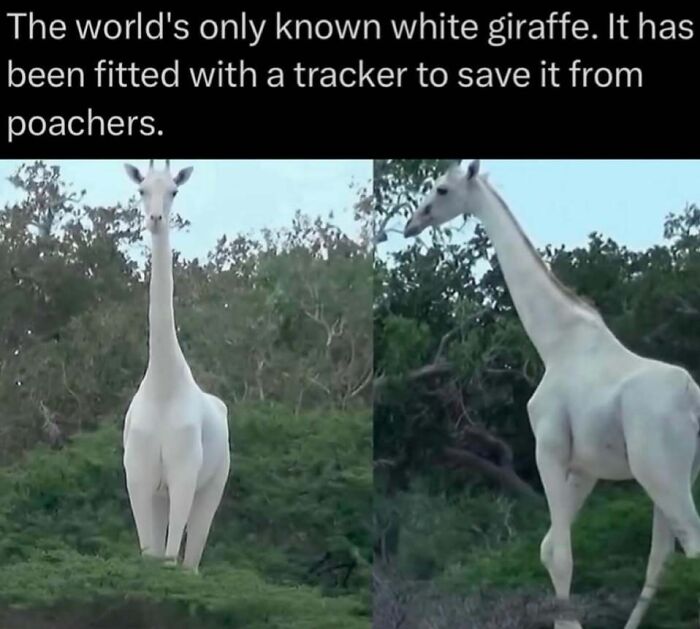
As of recent reports, only one known white giraffe remains in the world, living in Kenya. This extraordinary animal owes its pale appearance to a rare genetic condition called leucism, which results in a partial loss of pigmentation. Unlike albinism, leucism does not affect the eyes, allowing the giraffe to retain normal vision while displaying its striking white coat. Its unusual appearance has made it both a scientific curiosity and a symbol of nature’s diversity.
The giraffe was discovered in the Ishaqbini Hirola Conservancy, where it has drawn global attention from conservationists and wildlife enthusiasts. Its rarity highlights the importance of protecting endangered species and preserving natural habitats. As threats like poaching and habitat loss continue, the survival of this unique giraffe serves as a powerful reminder of how fragile and irreplaceable wildlife can be.
Climate change is making problems even worse by triggering extreme weather.
A new study published this week shows that four days of intense rain and landslides in Sumatra wiped out around 7% of all Tapanuli orangutans — the most endangered great apes on Earth.
Discovered only in 2017, fewer than 800 of these orangutans are left alive.
Experts blamed human-induced climate change for the extreme weather, warning that the species will face extinction soon if nothing is done. “The crisis facing the Tapanuli orangutan illustrates the convergence of climate instability, biodiversity loss, and vulnerability, calling for a coordinated response matching the scale of the threat,” the authors wrote.
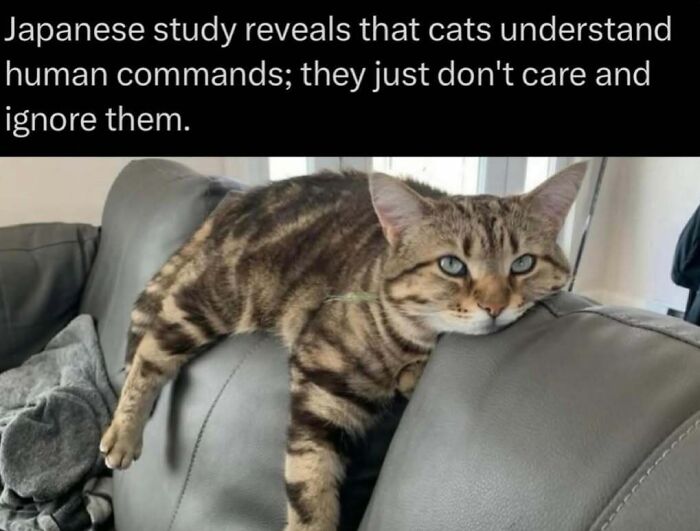
A series of Japanese studies, including work from the University of Tokyo and Sophia University, has shown that domestic cats can clearly recognize their owners’ voices and even distinguish their names from similar-sounding words. Led by behavioral scientist Atsuko Saito, the research found that cats respond with subtle “orienting behaviors,” such as ear twitches, head turns, or changes in pupil size, indicating that they do hear and understand when they are being called.
Despite this recognition, most cats choose not to respond in obvious ways like approaching or vocalizing. Researchers explain this “selective hearing” through the evolutionary history of cats, which differs greatly from that of dogs. Rather than being bred to obey humans, cats largely domesticated themselves, maintaining their independence and interacting with people only when it suits their own needs or desires.

Oh, I guarantee you that all of my cats know their names AND the 57,236 nicknames I call them. They know very well that when the "real name" gets said instead of a nickname, it's serious XD That doesn't mean they listen to me or stop what they're doing, of course, just that they can discern their real name from a plethora of nicknames :p My oldest cat, Kohl, also knows five trick commands (sit, lay down, paw, other paw, and stand up) and she'll actually obey them regularly XD She also knows that when I say "Okay, missus hisses, come on," it means I'm about to lock her in my bedroom, lol XD My sister will often come into my house when I'm not home and will leave the back door open, and Kohl has gotten out before, so I lock her in my bedroom as a precaution every time I leave.
Cats have lived alongside humans for thousands of years, yet they remain fascinatingly independent. Unlike many domesticated animals that were bred specifically to serve human needs, cats largely chose to live near people because settlements offered food, shelter, and opportunities to hunt rodents. This unique history helped shape their reputation as intelligent, curious, and sometimes unpredictable companions. Although they often appear aloof, cats can form strong emotional bonds through trust, routine, and quiet displays of affection.
In the modern world, cats have become icons of internet culture, inspiring countless memes, videos, and online communities. Their dramatic expressions, playful mischief, and ability to switch effortlessly between elegance and chaos make them endlessly entertaining. Beyond their online fame, however, cats continue to captivate people because they seem to balance wild instincts with companionship. As graceful hunters, comforting pets, and mysterious household residents, they remain some of the most beloved animals on Earth.

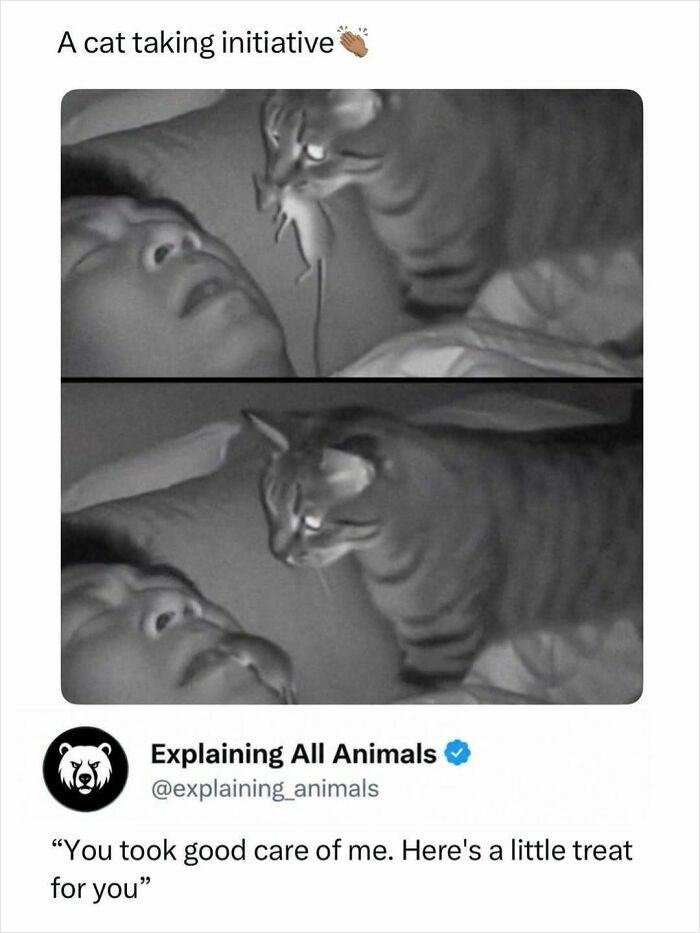
"The most fundamental reason that cats bring d**d animals to you is because they are treating you as family, presenting the catch to their clan, and attempting to teach you to do likewise." (Why Do Cats Bring D**d Animals to Me? Everhart Veterinary Medicine)
Stories, images, and documentaries help people actually notice and care about species they might never see in real life.
A study published this year found that some features in wildlife images — like visible faces or cues that make you feel like you can understand what the animal is thinking or feeling — can create emotional connections.
These features can even drive people to engage online or give money to conservation.
“If you want to encourage people to protect an animal, you might depict it in a way that evokes a social or emotional connection. For instance, emphasizing facelike features or attention to the viewer,” said study coauthor Brian Knutson, a professor of psychology at the Stanford School of Humanities and Sciences.
He believes that social media is a powerful tool for shaping public opinion and encouraging environmental behavior.
A bilateral gynandromorph is one of nature’s rarest and most fascinating phenomena. It occurs when an organism, such as a butterfly, develops with male characteristics on one side of its body and female characteristics on the other, creating a striking split down the middle. This unusual condition arises from a genetic error during early cell division, when chromosomes fail to separate properly and distribute unevenly between the developing cells.
The result is often a dramatic visual contrast, especially in butterflies where males and females can differ in color, wing patterns, or size. Although rare, gynandromorphism has been observed not only in butterflies but also in birds and even crabs. These extraordinary individuals provide scientists with valuable insight into how biological traits are formed and expressed, helping deepen our understanding of genetics and development in the natural world.
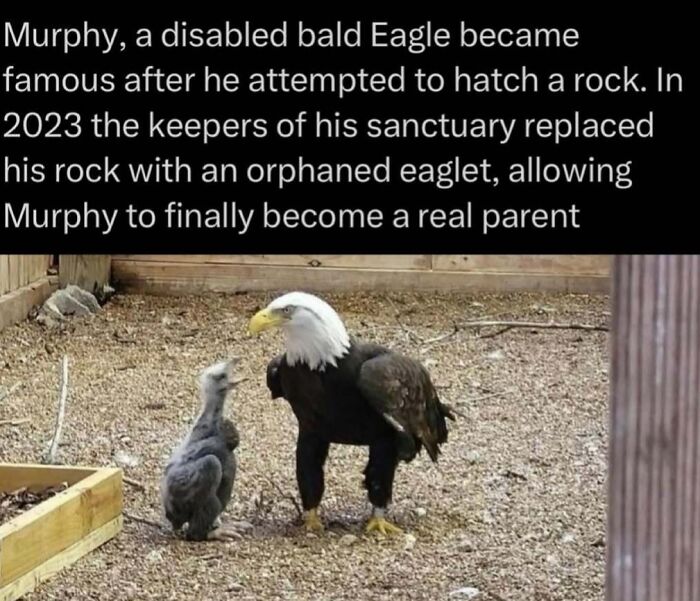
Murphy, the inspirational bald eagle, was born with a rare congenital defect that left him with a twisted, malformed beak, making basic survival tasks like eating and flying nearly impossible. Rescued by the American Eagle Foundation in 2011, Murphy’s future seemed uncertain, but with specialized care and a custom-made prosthetic beak, he overcame these challenges. His resilience and ability to adapt to his condition highlighted the remarkable capacity of animals to thrive when given the right support.
As an educational ambassador, Murphy has spread awareness about wildlife conservation and the power of perseverance. His story has touched hearts nationwide, showing that even in the face of adversity, determination can help overcome any obstacle. Today, Murphy continues to inspire millions, proving that with proper care and a fighting spirit, individuals can soar beyond their limitations, becoming symbols of hope and resilience.
Animals are not just fascinating creatures to admire, read about, and then forget. How we learn about them, and what we do about it, matters too — because they literally keep the world running.
Bees, butterflies, and other pollinators help produce many of the crops people eat every day. Predators like wolves and sharks keep animal populations in balance.
When species disappear, food chains break, habitats weaken, and the effects can spread far beyond. If they go down, we go down with them.
What we as humans can do then is try to make a difference. Reading about them in this listicle is a great first step.
Even small changes in our daily lives — like reducing plastic use, avoiding products linked to deforestation, and supporting brands that are eco-friendly — can go a long way.
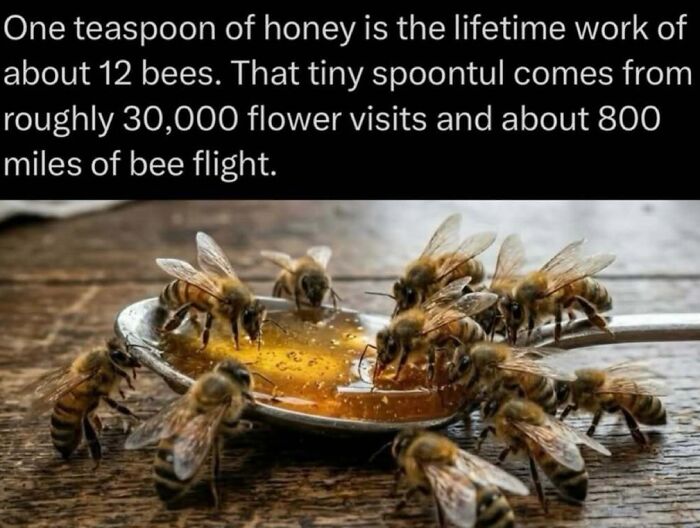
A single honey bee produces only about 1/12 of a teaspoon of honey in its entire lifetime, roughly 0.5 grams or less. Considering that worker bees live for just 5 to 6 weeks during peak seasons, their individual contribution is incredibly small. This tiny output highlights the limited time and energy each bee has to gather nectar and convert it into honey.
However, what one bee cannot achieve alone, the colony accomplishes together. A strong hive can produce between 20 and 60 pounds (9 to 27 kilograms) of honey in a year, depending on factors like weather, flower availability, and overall hive health. This remarkable collective effort shows the power of teamwork, where thousands of small contributions combine to create something substantial.
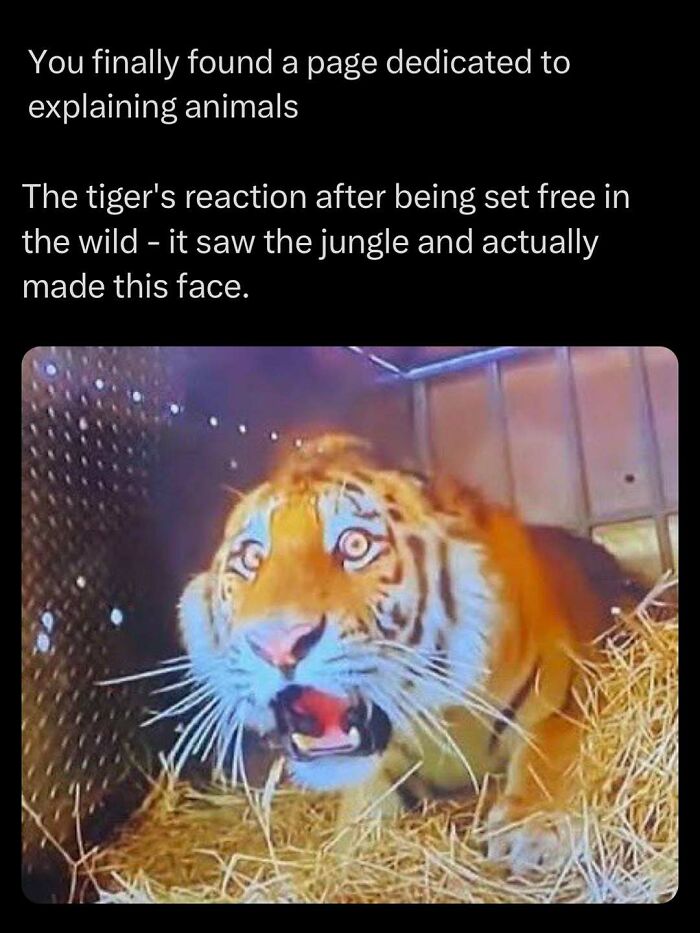
Tigers are often seen as powerful and majestic predators, but they are not actually the “kings of the jungle.” That title is traditionally given to lions, largely because of their dominance in African savannas and their social, pride-based lifestyle that makes them highly visible and symbolic of leadership. Tigers, in contrast, are solitary hunters found in forests and grasslands, not jungles in the literal sense, and they rely on stealth and strength to rule their territories.
Despite this, tigers surpass lions in certain ways. They are the largest big cats in the world, with unmatched strength, agility, and swimming ability, making them apex predators in their habitats. While they may not carry the same symbolic title, in reality tigers rule their domain just as effectively, commanding respect and fear across Asia as the true masters of their environment.
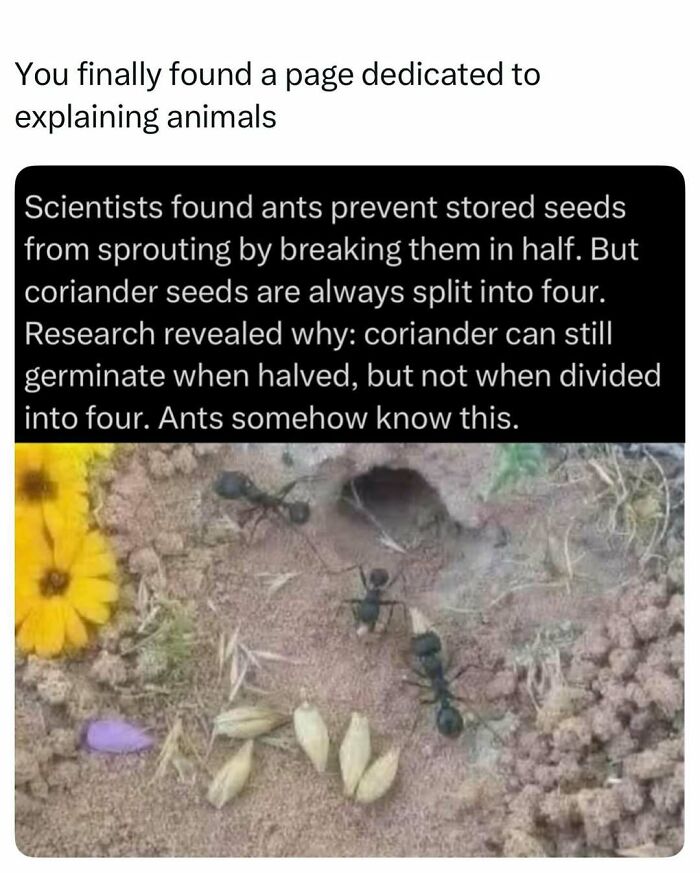
Harvester ant colonies display an astonishing level of coordination and environmental awareness. To protect their underground food stores, these ants carefully damage collected seeds so they cannot sprout inside the nest. Scientists discovered an especially fascinating behavior with coriander seeds: instead of cutting them into two pieces like most seeds, the ants consistently split them into four parts.
This unusual strategy reveals how finely tuned the ants’ survival behaviors have become over countless generations. Coriander seeds are resilient enough to still germinate when only halved, so the ants appear to have adapted a more precise method to fully stop growth. Their behavior demonstrates that even tiny insects can develop remarkably effective systems for agriculture, storage, and resource management through collective intelligence and evolution.
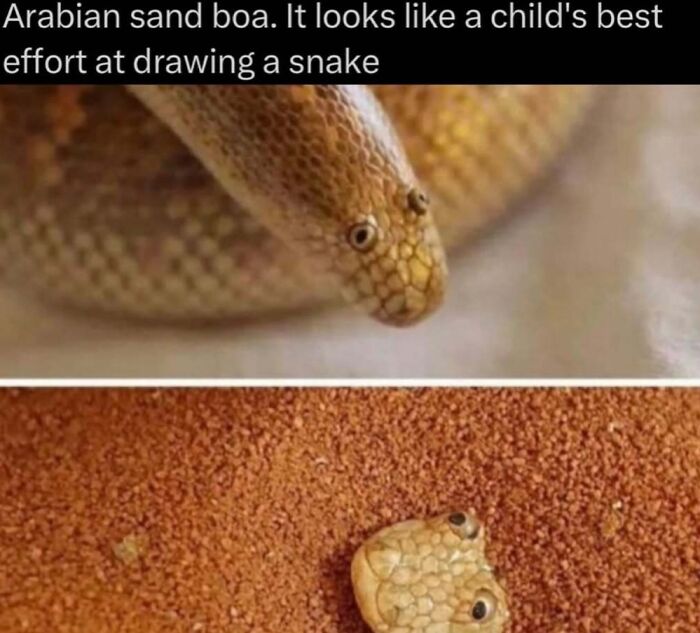
The Arabian sand boa (Eryx jayakari) is a small, burrowing snake native to the deserts of the Arabian Peninsula. With its short, stout body and tiny eyes positioned high on its head, it has a unique and almost cartoon-like appearance, often compared to a child’s simple drawing of a snake. Despite its unusual look, this species is perfectly adapted to its environment, blending into the sandy landscape with ease.
Living mostly beneath the sand, the Arabian sand boa uses its blunt snout to dig and hide from predators while waiting to ambush prey such as lizards and small mammals. Its specialized body structure allows it to move efficiently through loose sand, helping it survive in harsh desert conditions. Though its appearance may seem peculiar or even amusing, it is a result of remarkable adaptation, enabling the snake to thrive in one of the most challenging habitats on Earth.
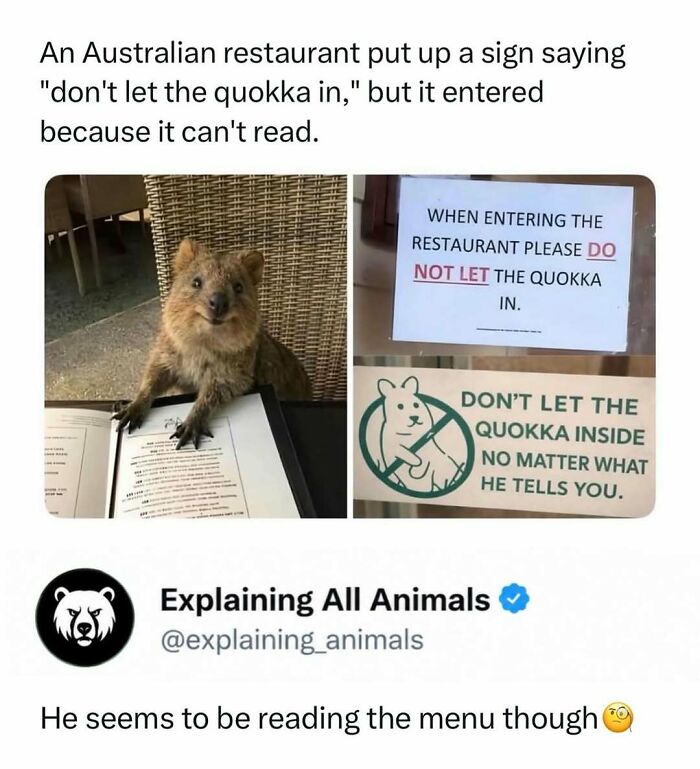
The Quokka is a small, cat-sized marsupial native to Australia, famous for its round face, tiny paws, and expression that appears remarkably cheerful. Because of its relaxed behavior around people and its seemingly permanent smile, the quokka has become widely known as the “world’s happiest animal.” Its friendly appearance has made it a favorite subject of wildlife photography and social media around the world.
Despite its cute reputation, the quokka is also a resilient survivor. Living primarily on islands and coastal regions with limited resources, it spends much of the night foraging for leaves, grasses, and other vegetation. Adapted to dry environments and challenging conditions, the quokka demonstrates that beneath its charming appearance is a tough and resourceful animal perfectly suited to its natural habitat.
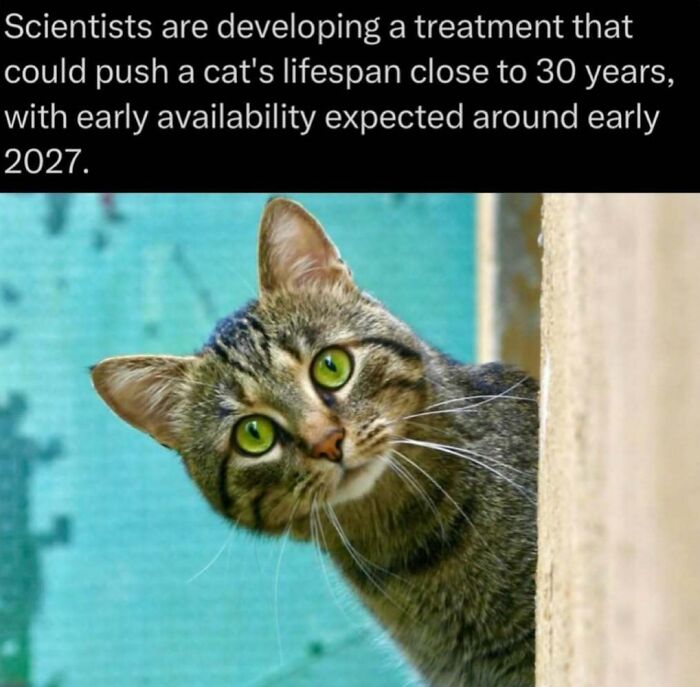
Scientists are developing a promising new treatment that could help cats live much longer by fighting chronic kidney disease, one of the leading causes of death in older cats. As cats age, their kidneys often lose the ability to remove waste properly, causing harmful toxins to build up in the body. Because this disease is so common and difficult to cure, it has long limited the lifespan of domestic cats around the world.
The research centers on a protein called AIM, which normally helps the kidneys clear away damaged cells and waste. In most animals the protein works effectively, but in cats it does not activate correctly, leaving the kidneys vulnerable to gradual damage. By restoring the function of AIM, scientists hope to improve kidney health, slow aging related decline, and greatly extend feline lifespans. Some early estimates even suggest that cats could one day live close to 30 years with the help of this treatment.
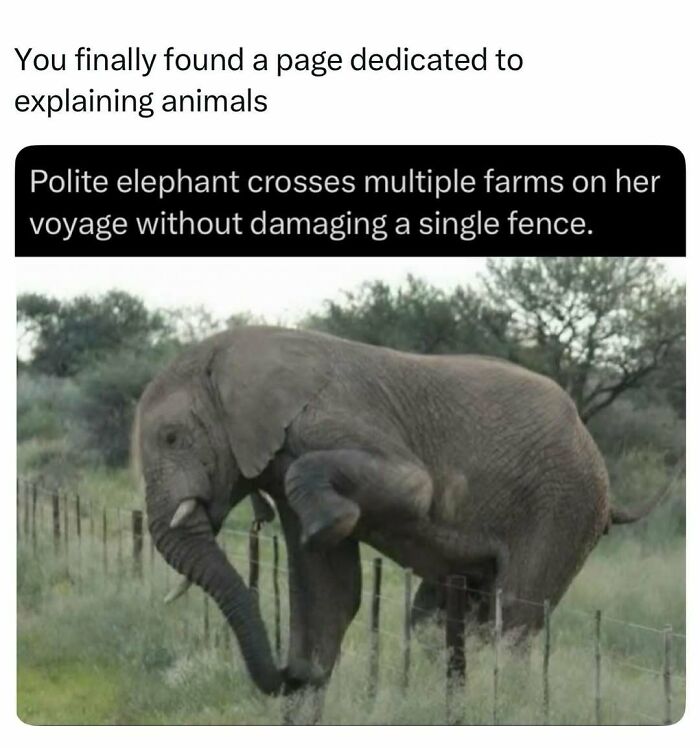
Elephants are among the most intelligent animals on Earth, known for their remarkable memory, problem-solving skills, and ability to adapt to changing environments. Researchers have observed elephants using tools, recognizing routes across vast distances, and cooperating with one another in complex social groups. In regions where farmland overlaps with elephant territory, these animals regularly encounter fences and other barriers, quickly learning how to navigate around or through them with surprising effectiveness.
Their actions are not signs of politeness, but of experience and efficiency. Field studies show elephants may carefully step over wires, knock fences down, or search for weak points depending on which method requires the least effort and poses the lowest risk. This flexibility makes them especially difficult to deter, as they continuously adapt to new obstacles placed in their path. As a result, conflicts between humans and elephants remain a major challenge in many parts of the world, highlighting both the intelligence of the animals and the difficulty of protecting shared landscapes.
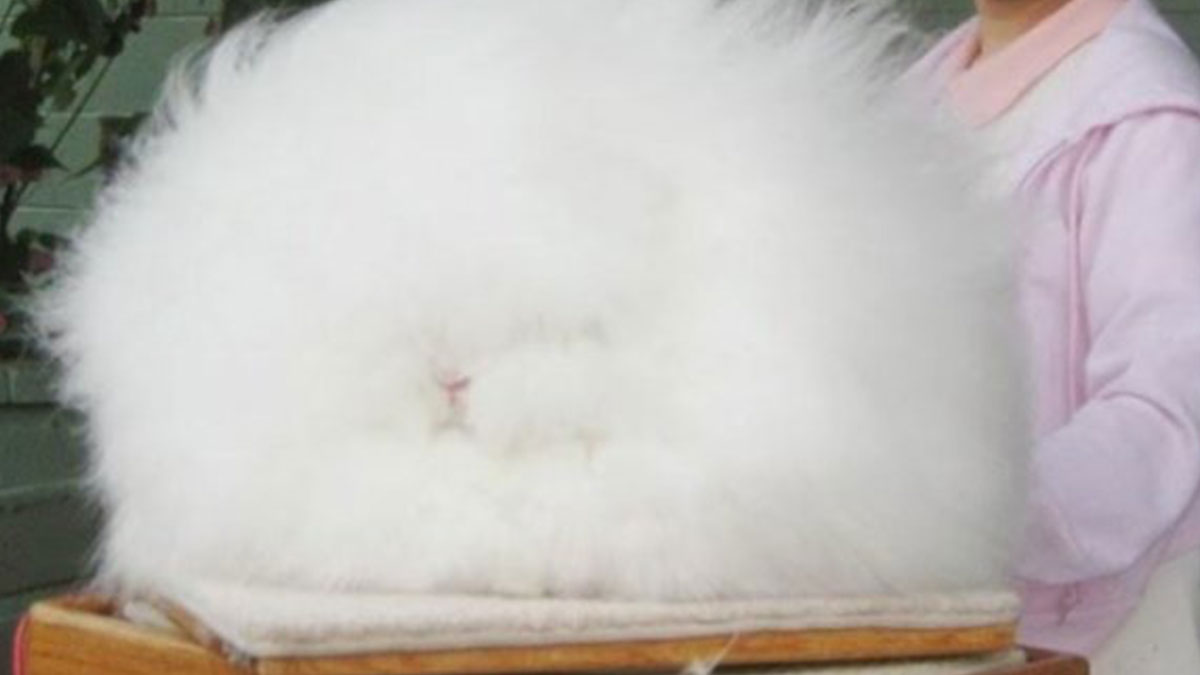
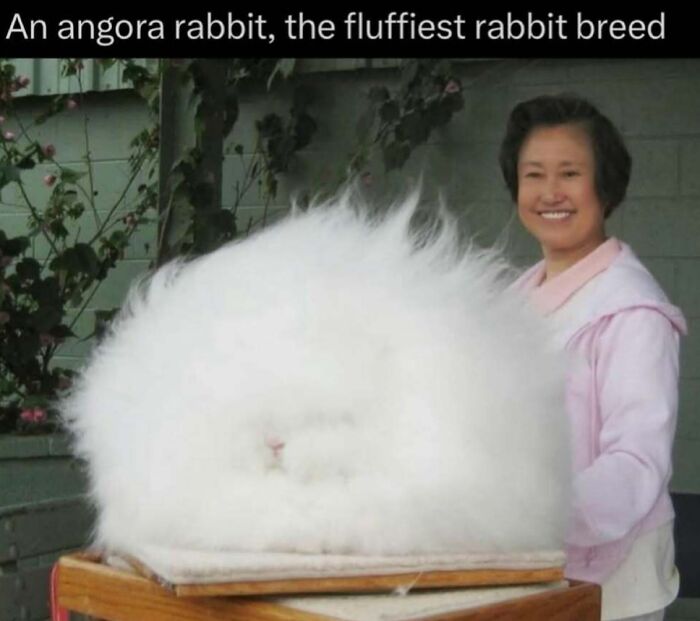
The Angora rabbit is famous for being one of the fluffiest rabbit breeds in the world. Its soft, cloud-like fur grows continuously and is often used to make warm angora wool clothing. Originally bred in Turkey centuries ago, these rabbits are gentle, calm animals that require careful grooming to keep their thick coats clean and healthy.
Beyond their unusual appearance, Angora rabbits are also known for their quiet and friendly personalities. Many people keep them as pets because they are affectionate and enjoy human attention. Their enormous coats make them look almost unreal, like living cotton balls, and they remain one of the most recognizable and unique rabbit breeds today.
Harvesting angora for clothing is unbelievably cruel. They aren't shorn like sheep - instead the wool is pulled out by force. Do not google videos of it if you are unprepared for ridiculously cute animals screaming in agony.
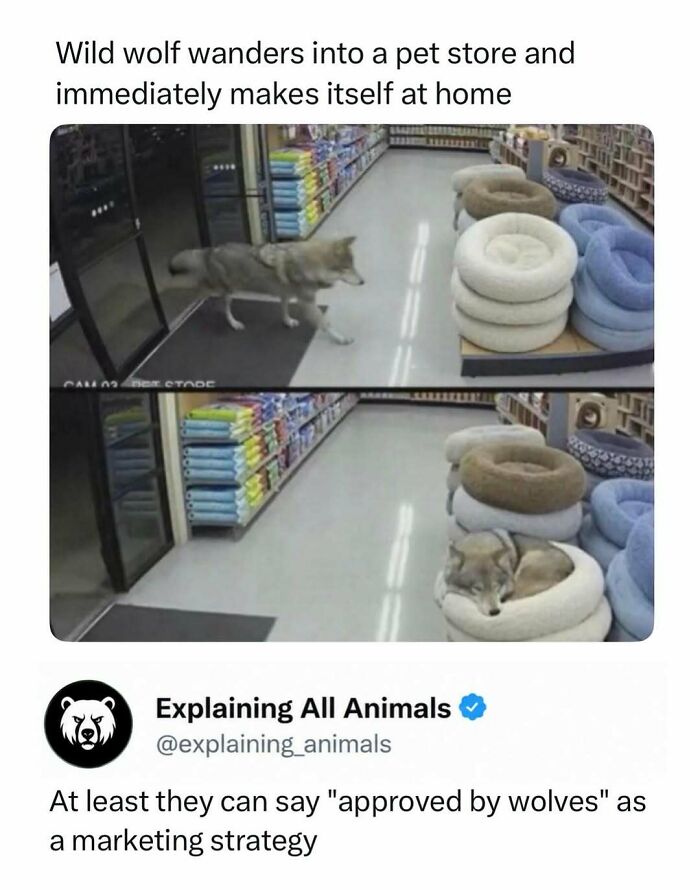
A viral video showing what was described as a wild wolf wandering into a pet store and curling up in a dog bed quickly captured the internet’s attention. Viewers were amused by the contrast between the animal’s untamed image and its surprisingly ordinary choice of comfort. The scene felt almost relatable, as the animal appeared to ignore its reputation as a wilderness predator in favor of a cozy place to rest.
Part of the clip’s appeal came from how it transformed a potentially tense encounter into a lighthearted moment. Stories accompanying the video often claimed that security cameras recorded the animal entering the store late at night and settling down among the pet beds as if it belonged there. Whether viewed as humorous, wholesome, or simply unusual, the clip resonated with audiences because it highlighted a familiar truth: many animals, wild or domestic, appreciate a comfortable place to sleep.
So, you guys remember how I told you that I was homeless for a little while and lived out of my van? Well, some nights it got REALLY cold and I'm ashamed to say that this is me on the video...
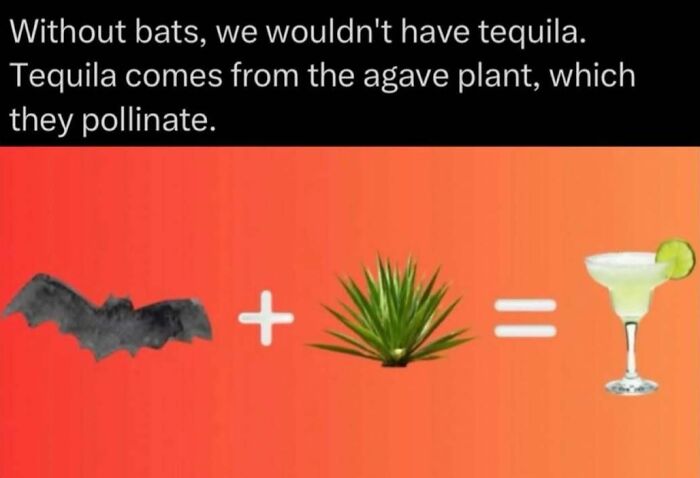
Bats play a vital ecological role as pollinators of the Agave plant, using their tongues to reach deep into its blooming flowers for nectar. As they move from plant to plant under the cover of darkness, they carry pollen with them, enabling reproduction in a process shaped by thousands of years of coevolution. This delicate relationship supports not only the survival of agave but also the broader ecosystems that depend on it, illustrating how even nocturnal creatures contribute to the balance of nature.
However, modern commercial production of Tequila often disrupts this natural cycle. Farmers frequently harvest agave before it flowers, preventing bats from accessing nectar and halting pollination. As a result, producers rely on cloned agave, which reduces genetic diversity and increases vulnerability to disease. This shift threatens bat populations and weakens the resilience of agave itself, putting both ecological stability and long-standing cultural traditions at risk.
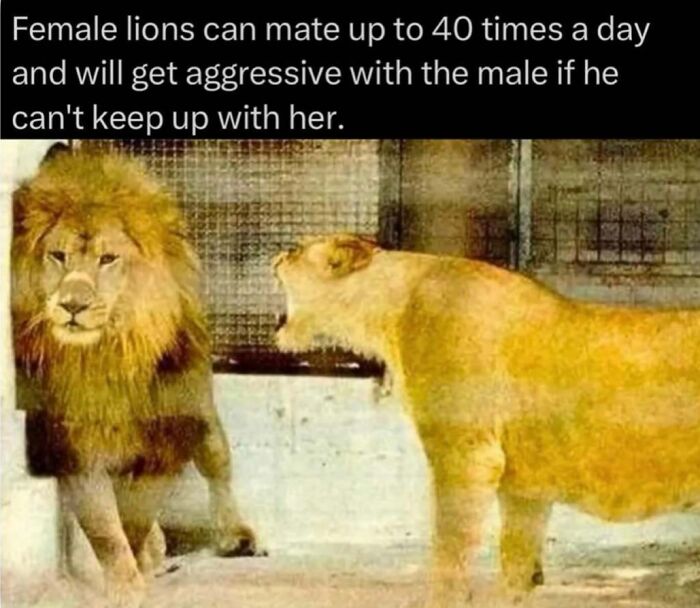
Female lions have one of the most intense mating systems in the animal kingdom. When a lioness enters heat, it typically lasts only three to five days, during which she may mate every ten to twenty minutes, sometimes up to forty times a day. This high frequency is driven by biology, as repeated mating helps stimulate ovulation and increases the likelihood of pregnancy.
If the male pauses too long or resists mating, the lioness may swat, growl, or snap at him. This behavior is not rooted in anger but in instinct and hormonal urgency. With such a brief fertile window, missing the opportunity means waiting weeks for another chance, so what seems aggressive is actually nature’s way of ensuring successful reproduction.
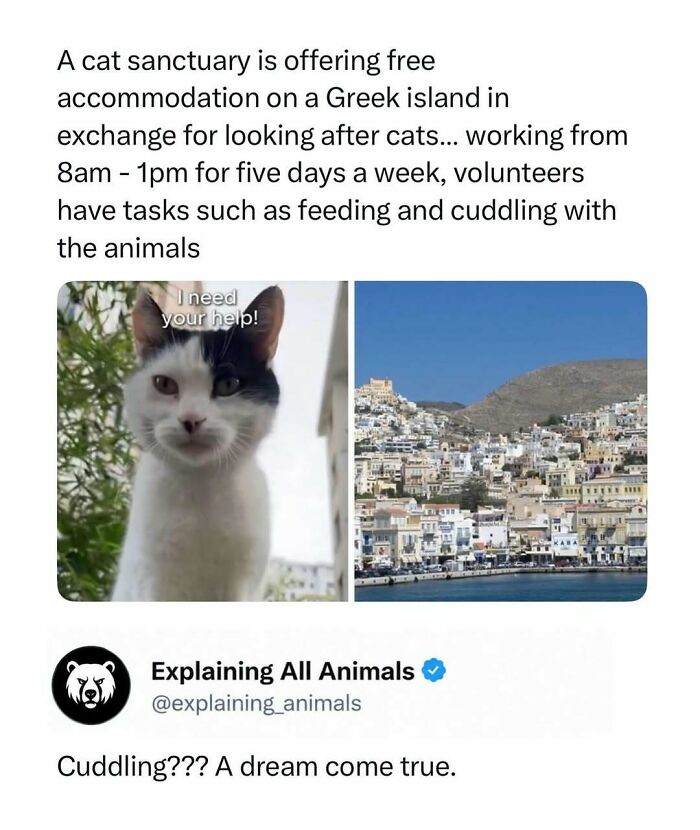
A cat sanctuary on a Greek island has captured the internet’s imagination by offering free accommodation to volunteers willing to help care for rescued cats. The work involves relatively short shifts focused on feeding, cleaning, and spending time cuddling the animals, creating what many people describe as a dream opportunity for cat lovers. Surrounded by beautiful scenery and dozens of affectionate cats, volunteers can enjoy a unique and rewarding experience while helping animals in need.
The listing went viral once again because it represents an appealing alternative to the pressures of modern work life. Many people online joked that they would quit their jobs immediately if given the chance to spend their days on a sunny island caring for cats instead of sitting in a stressful office. The sanctuary’s popularity reflects a widespread desire for a simpler, more meaningful lifestyle centered on animals, nature, and personal well-being.
One of the most interesting ways to tell a horse’s age is by looking at its teeth. Young horses have small, temporary teeth called “milk teeth,” while older horses develop larger permanent teeth with visible wear over time. Experienced horse owners can estimate a horse’s age by examining the shape, color, and smoothness of the teeth. Although this method is not always exact, it has been used for centuries by farmers, traders, and veterinarians to judge a horse’s maturity and health.
The phrase “looking a gift horse in the mouth” also comes from this practice. In the past, checking a horse’s teeth was a way to determine its value and age, so inspecting a horse that was given as a gift was considered rude. Today, the saying means that people should appreciate gifts instead of criticizing them. Horses have influenced language and culture in many ways, showing how important they were in daily life throughout history.
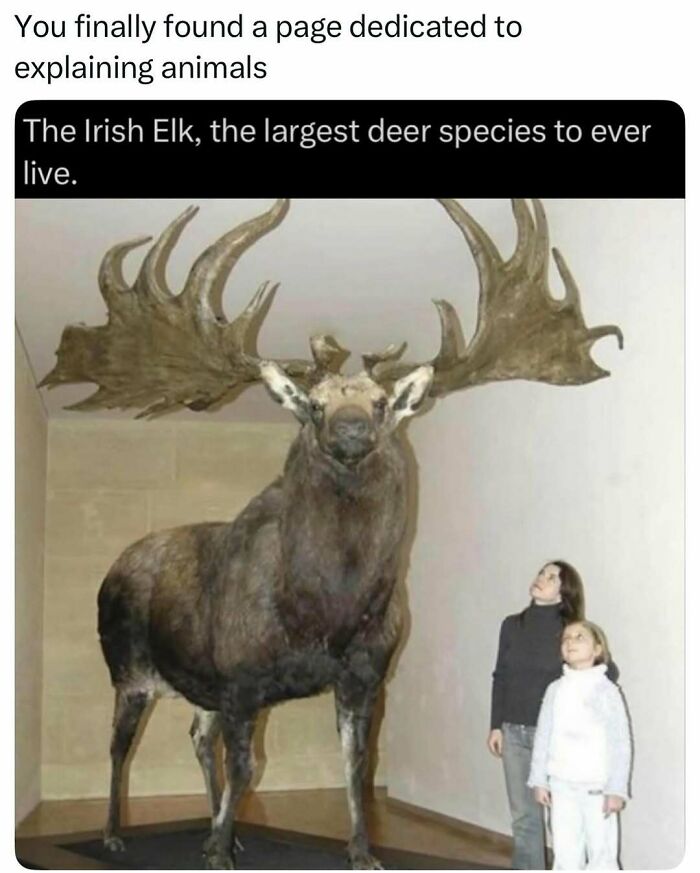
The Irish Elk was the largest species of deer to ever walk the Earth, an awe-inspiring giant of the last Ice Age. Standing over seven feet tall at the shoulder and carrying antlers that could stretch up to twelve feet wide, it roamed vast regions of Europe and northern Asia. Despite its name, it was not limited to Ireland- fossils have been discovered as far east as Siberia. The name “Irish Elk” comes from the remarkable number of well-preserved skeletons found in Irish bogs, where the conditions helped protect their massive remains.
Its enormous antlers were likely used for display and combat during mating season, making them a key advantage in reproduction. However, these same antlers may have also been a burden, requiring large amounts of nutrients and possibly limiting movement in dense environments. As the climate shifted at the end of the Ice Age and human populations expanded, the Irish Elk struggled to adapt. Scientists believe that a combination of environmental changes and human hunting led to its extinction around 7,700 years ago, marking the end of one of nature’s most striking creatures.
Dolphins are widely regarded as some of the most intelligent animals on Earth, possessing complex cognitive abilities that rival those of many land mammals. They have large brains relative to their body size, which supports advanced memory, strong social bonds, and sophisticated communication. Living in tight-knit groups, dolphins use a variety of clicks, whistles, and body movements to interact, demonstrating a level of social awareness that is both intricate and highly coordinated.
Beyond communication, dolphins exhibit remarkable problem-solving skills and signs of self-awareness, such as recognizing themselves in mirrors. They are also capable of learning new behaviors and even using simple tools in the wild. Their highly developed echolocation system allows them to navigate murky waters, locate prey, and “see” their surroundings using sound. Although intelligence is difficult to measure across species, these abilities firmly place dolphins among the most intellectually advanced creatures in the animal kingdom.
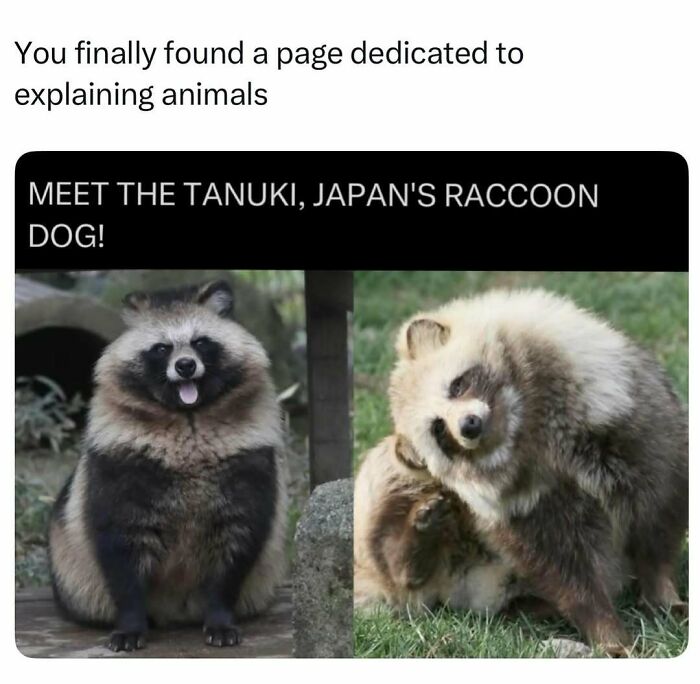
The Japanese raccoon dog, or tanuki, is a small and fascinating member of the dog family, despite its raccoon-like appearance. Native to Japan, it is highly adaptable and can thrive in a wide range of environments, from forests and grasslands to areas near human settlements. Mostly active at night, tanuki rely on their sharp sense of smell and hearing to find a varied diet that includes insects, fruits, plants, and small animals.
What makes the tanuki especially unique among canids is its ability to enter a hibernation-like state during the coldest months, slowing its metabolism to conserve energy. Beyond its biological traits, the tanuki holds a special place in Japanese culture, where it is often portrayed in folklore as a playful and clever spirit, adding to its charm and cultural significance.
They are most closely related to foxes as they are in the tribe Vulpini!
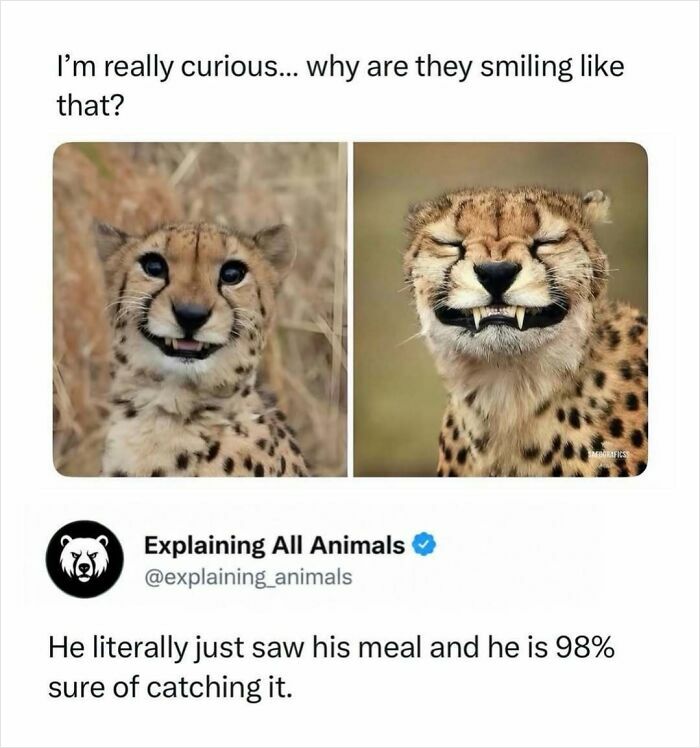
Cheetahs often appear to have surprisingly human facial expressions, which helps explain why their photos spread so quickly online. What looks like a smile is usually just the natural shape of their mouth when relaxed, panting, or slightly pulling back their lips. Combined with their dark tear marks, rounded faces, and forward-facing eyes, these features create expressions that seem unusually animated, almost as if the animals are posing for the camera.
Unlike many other big cats, cheetahs are built for speed rather than power, giving them a lighter frame and softer facial appearance. Their faces often seem more expressive than those of lions or leopards, adding to the playful “grinning” look people notice. Considering they can sprint at speeds of around 60–70 miles per hour in short bursts, it is easy to imagine they are quietly amused by everything moving much slower than they are.

This is just an example of the Flehmen response, isn't it? Very common in big cat species.
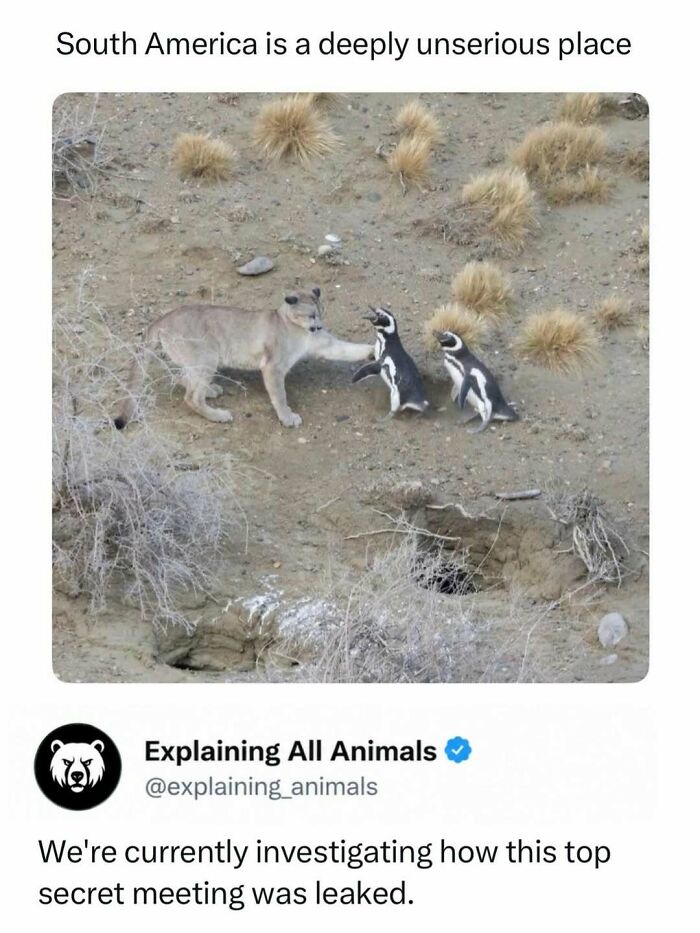
This remarkable wildlife moment comes from southern Patagonia, where Magellanic penguins nest along coastlines that are also home to pumas, one of the region’s top predators. During breeding season, thousands of penguins gather on open ground, creating unusual opportunities for encounters between these very different animals. Rather than immediately fleeing, adult penguins often rely on group behavior, loud calls, and bluff charges to discourage potential threats.
Research in Argentina and Chile shows that pumas do not depend heavily on penguins for food, instead hunting guanacos as their primary prey. Encounters between pumas and penguins demonstrate the unique connections within South America’s ecosystems, where apex predators and flightless seabirds can coexist in the same landscape. These scenes may appear surprising, but they are part of a natural balance that has developed over thousands of years.
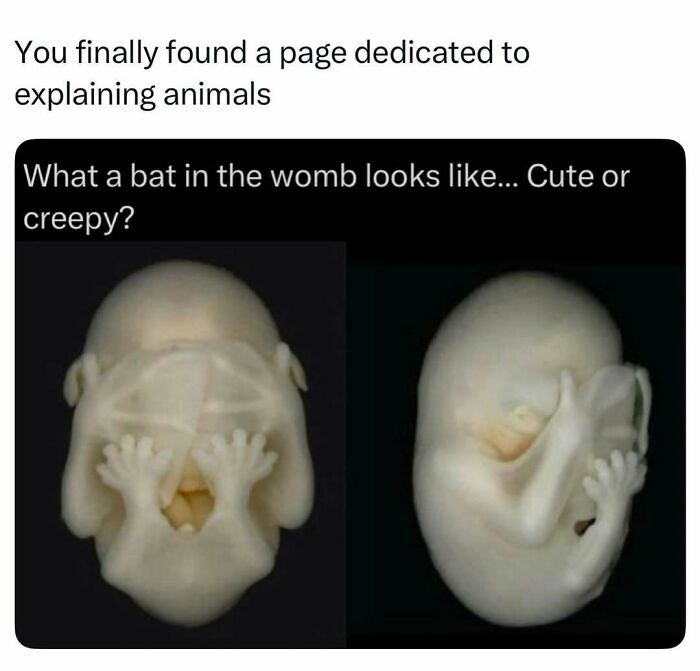
The bat fetus undergoes fascinating developmental changes that highlight the species’ unique adaptations for flight and echolocation. Early in gestation, bat fetuses exhibit small limbs, which eventually lengthen to form elongated fingers. These fingers will support the thin wing membranes that will enable the bat to fly. Despite the small size of the fetus, the development of large eyes and ears is prominent, although many bat species are born blind.
As the fetus matures, the skin between the fingers begins to stretch, forming the delicate structure of the wings that will later support flight. The ears, which are essential for echolocation in many bat species, also start to take distinct shapes early on. Bats have short gestation periods, and their young are born relatively well-developed, requiring significant care and maternal support as they cling to their mothers or roost.
The story of a kitten surviving more than 50 fractures is a remarkable example of resilience and the power of dedicated care. After suffering devastating injuries, the tiny animal faced months of intensive veterinary treatment, careful rehabilitation, and constant attention from a determined rescuer who refused to give up. Despite the severity of its condition, the kitten gradually recovered, regained strength, and eventually learned to walk again.
Cases like this demonstrate the extraordinary healing potential of young animals when they receive proper medical support and rehabilitation. Veterinarians often emphasize that recovery from severe injuries requires patience, persistence, and long-term commitment. The kitten’s journey serves as an inspiring reminder that even when the odds seem overwhelming, compassion and expert care can lead to outcomes that once appeared impossible.
I'm sorry, but this is so cruel. This kitten was bound up like a mummy for weeks or months, unable to understand any of what was happening to it, unable to live any sort of normal life. It's not being fair to the animal to put it through this sort of tor ture.
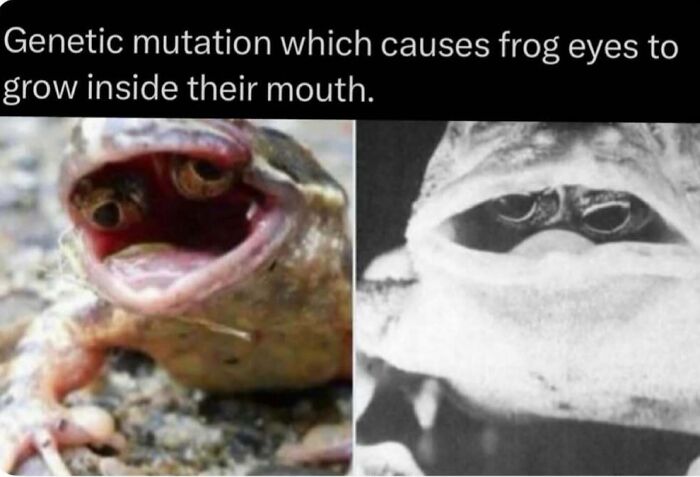
A rare genetic mutation in some frog species can lead to a remarkable and tragic developmental abnormality in which the eyes grow inside the mouth rather than on the head. This condition is often connected to disruptions in important developmental genes such as Pax6 gene, which help guide the formation and placement of organs during embryonic growth. When these genetic instructions fail, eye tissue may migrate incorrectly, causing the frog’s eyes to develop within the oral cavity instead of in their normal position.
This unusual mutation leaves the frog effectively blind, although some individuals may still detect faint light. Without proper vision, hunting insects and avoiding predators becomes extremely difficult, greatly reducing the animal’s chances of survival in the wild. Scientists study rare cases like these to better understand how genes control body development and how even small genetic changes can produce dramatic physical abnormalities in living organisms.
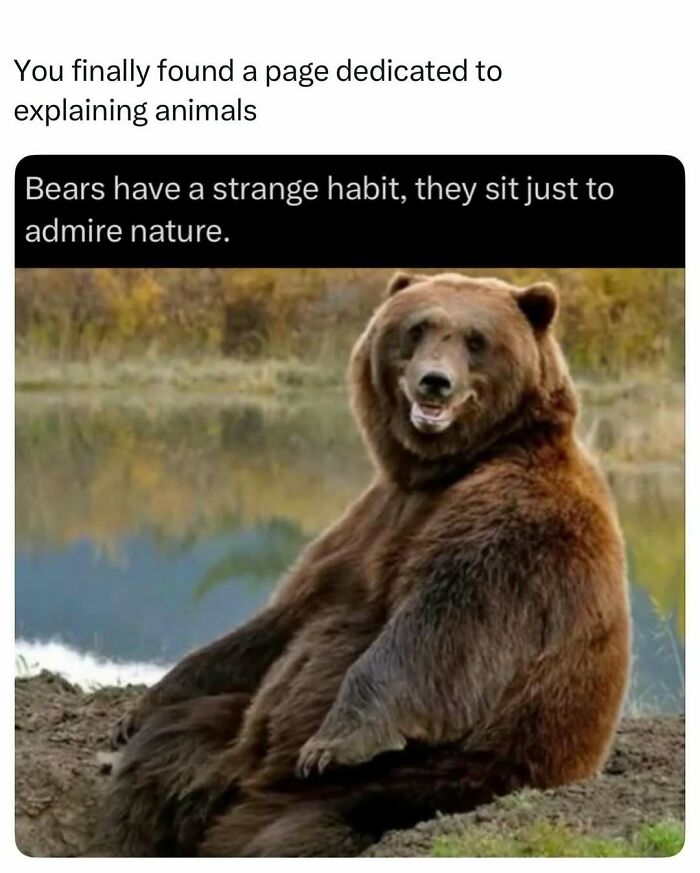
Bears sometimes display surprisingly calm behavior that makes them seem almost human. When a bear feels safe and relaxed, it may sit quietly for long periods, simply observing the forest around it. To people watching from afar, the animal can look like a thoughtful old grandpa admiring nature. In reality, this behavior helps the bear rest, cool down, and stay alert to changes in its environment without wasting energy.
While sitting peacefully, bears are still carefully paying attention to the world around them. They watch for food, listen for other bears, and stay aware of anything unusual nearby. This balance of relaxation and awareness is part of what makes bears such successful animals in the wild. Moments like these also remind people that even massive predators can sometimes appear calm, curious, and unexpectedly gentle in their natural habitat.
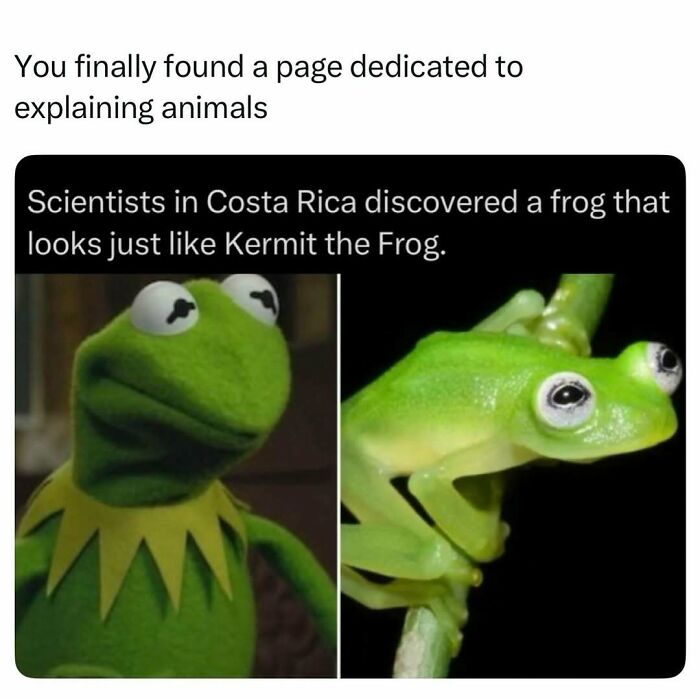
Scientists in Costa Rica recently identified a remarkable new species of glass frog, Hyalinobatrachium dianae, whose bright green color and wide, expressive eyes give it an uncanny resemblance to Kermit the Frog. Like other glass frogs, this tiny amphibian has a translucent underside, allowing its internal organs to be seen through its skin. This unusual feature, combined with its gentle appearance, makes the species both scientifically fascinating and visually striking.
The discovery was made by herpetologist Brian Kubicki and his team, who recognized the frog by its distinct, metallic, whistle-like call while conducting fieldwork in the Caribbean foothills. Named in honor of Kubicki’s mother, the species marks the first glass frog discovered in Costa Rica in over four decades. Its discovery underscores the rich biodiversity of the region and highlights the importance of conserving tropical rainforests, where many unique and still-undiscovered species continue to thrive
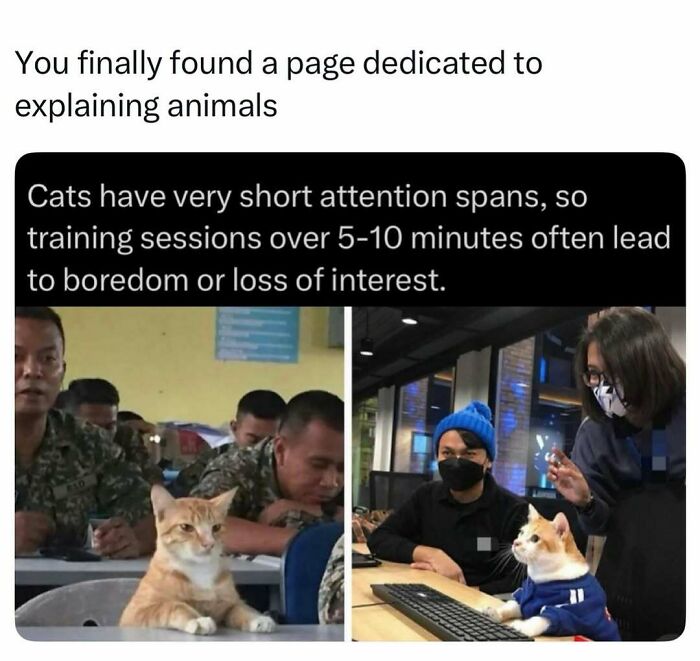
Cats are well known for their short attention spans, often losing interest in activities after just five to ten minutes. This natural tendency can make training more challenging compared to other animals, as cats may quickly become distracted or bored. Their curiosity drives them to explore new stimuli, but once that curiosity is satisfied, they tend to move on just as quickly.
To successfully train a cat, it is important to adapt to this behavior by keeping sessions brief, engaging, and positive. Short, frequent training periods combined with rewards like treats or praise help maintain their interest and encourage learning. By working with a cat’s natural instincts rather than against them, owners can create a more effective and enjoyable training experience.
Strange, my horde of cats seems to be able to stay focused on me the entire time I'm in the kitchen making food, even if it's for more than 5-10 minutes ;)
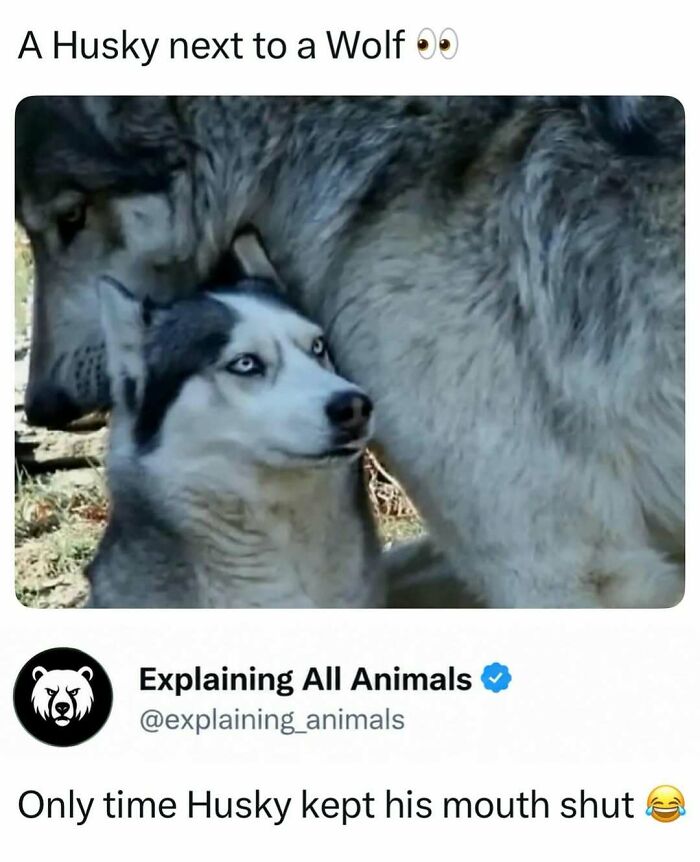
This meme humorously compares a Siberian husky with a gray wolf, using their visual differences to create a relatable joke about toughness and life experience. Although huskies and wolves are closely related, the wolf appears larger, rougher, and more imposing, while the husky looks cleaner, friendlier, and somewhat out of place. The caption, “You ain’t built for these streets son,” imagines the wolf as a hardened veteran giving advice to a sheltered relative who is stepping into a world far beyond its experience.
The joke works because it exaggerates the contrast between domestication and life in the wild. Huskies are actually strong, resilient working dogs, but next to a wolf they can seem like the pampered cousin of the family. By turning the animals into human-like characters, the meme pokes fun at situations where someone believes they are prepared for a difficult challenge, only to discover they are operating on a completely different level from those who truly belong in that environment.
And wolves aren't soft, even though they look gloriously floofy XD
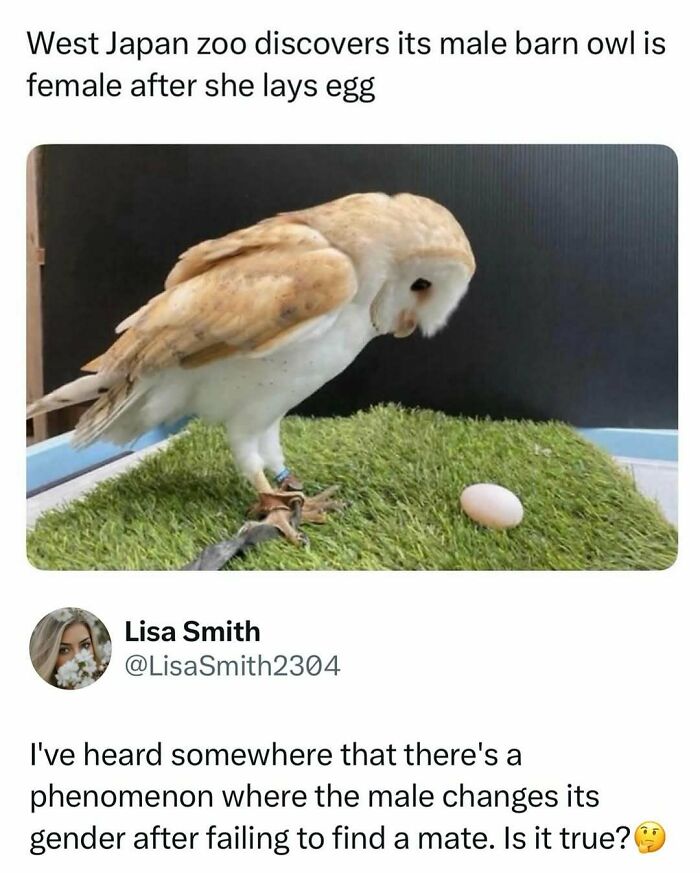
A zoo in Yamaguchi Prefecture surprised animal lovers in 2021 after its barn owl named Ai, long believed to be male, unexpectedly laid an egg. The discovery shocked both staff and visitors because earlier DNA testing had identified the owl as male. After the egg appeared, the zoo explained that the original test result was likely incorrect, turning Ai into an internet sensation almost overnight. The story fascinated many people because it showed how even modern scientific testing can occasionally produce surprising mistakes.
Barn owls are actually very difficult to identify by sex because males and females often look nearly identical, especially when living in captivity. Unlike some bird species with dramatic color differences, barn owls usually require close examination or genetic testing for accurate identification. Another interesting fact is that female barn owls can lay unfertilized eggs without ever having a mate, something that commonly happens during breeding season in many bird species. Ai’s unexpected egg became both a funny and educational reminder that nature still has ways of surprising even experienced animal experts.
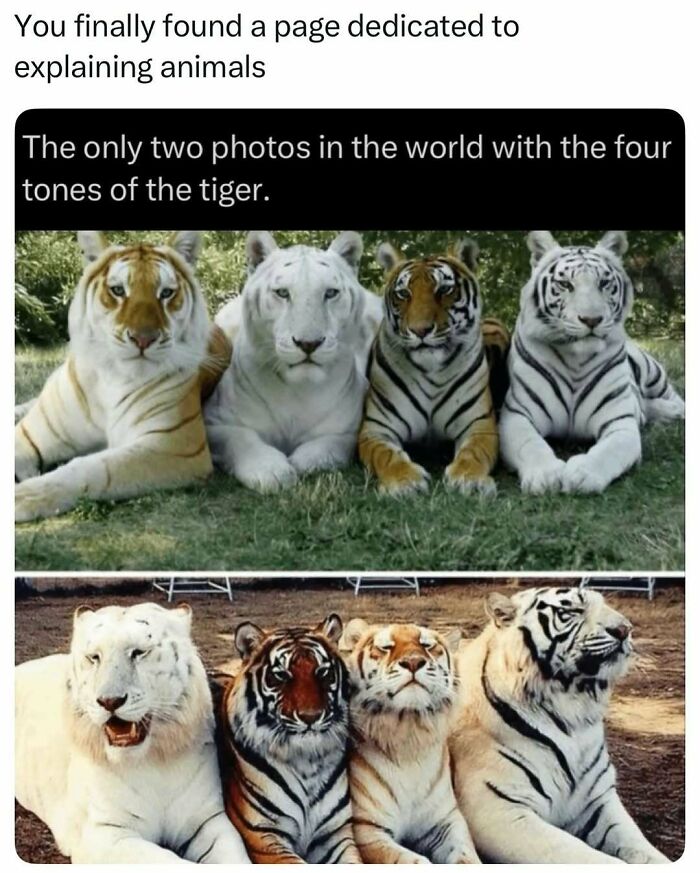
The “four tones of the tiger” refers to four distinct coat types that have been observed mostly in captivity. These include the standard orange tiger, the white tiger, the golden tabby tiger, and the rare stripeless white tiger. The standard orange tiger, commonly seen in the wild, has bright orange fur with bold black stripes and white markings. In contrast, the white tiger has pale white or cream-colored fur with dark stripes, giving it a striking and unusual appearance.
The golden tabby tiger is even rarer and has a soft golden coat with light, faded stripes, making it look almost glowing in color. The most uncommon of the four is the stripeless white tiger, which appears almost completely white with little or no visible stripes. These coat variations are usually the result of genetic traits that appear in captive breeding programs, making them fascinating examples of how tiger appearance can vary.
Gross. These animals are produced to order, usually by breeding them with a parent or sibling. They are so inbred that they frequently suffer from genetic disorders, and they are completely unsuitable to ever be released or serve any purpose other than as money makers and kitten factories.
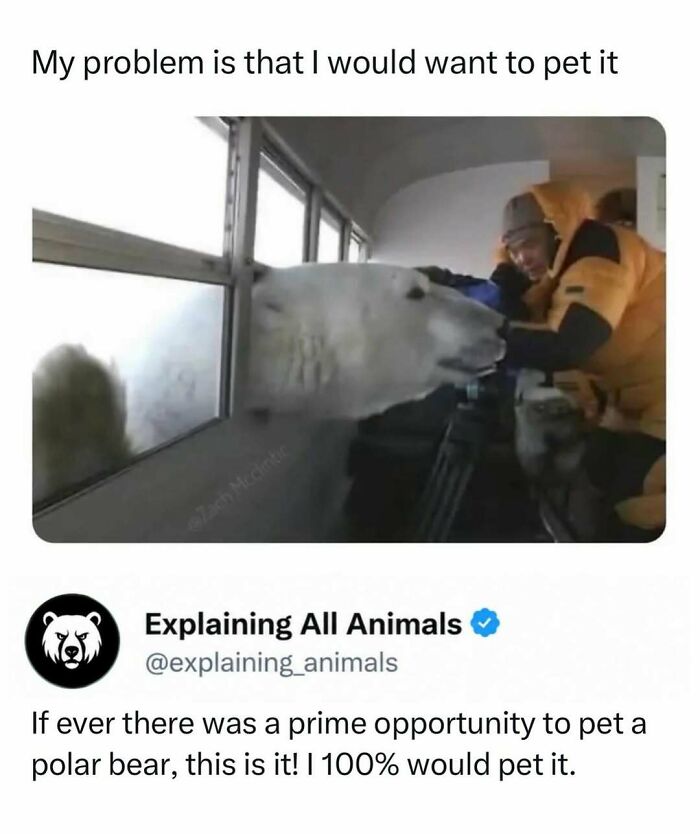
Polar bears are some of the most remarkable animals on Earth. Despite their snowy appearance, their skin is actually black, which helps absorb heat from the sun, and their fur is transparent rather than truly white. They are also excellent swimmers, capable of traveling for many miles across icy Arctic waters in search of food.
As the largest land carnivores in the world, polar bears can weigh more than 1,500 pounds and rely heavily on seals for survival. Their huge paws act like natural snowshoes and paddles, helping them move across ice and swim efficiently. These fascinating adaptations allow polar bears to thrive in one of the harshest environments on the planet.
The domestication of dogs is one of the most fascinating events in human history. For many years, scientists believed that wolves remained completely wild until about 12,000 years ago, when humans began taming and breeding them. However, the exact timing and process of this transformation has long been debated.
A major shift in thinking came in 1997, when DNA analysis suggested that the split between wolves and dogs may have occurred as far back as 130,000 years ago. If correct, this would mean that the relationship between humans and dogs began much earlier than previously thought, making dogs not only humanity’s oldest animal companions but also a key part of our shared evolutionary history.
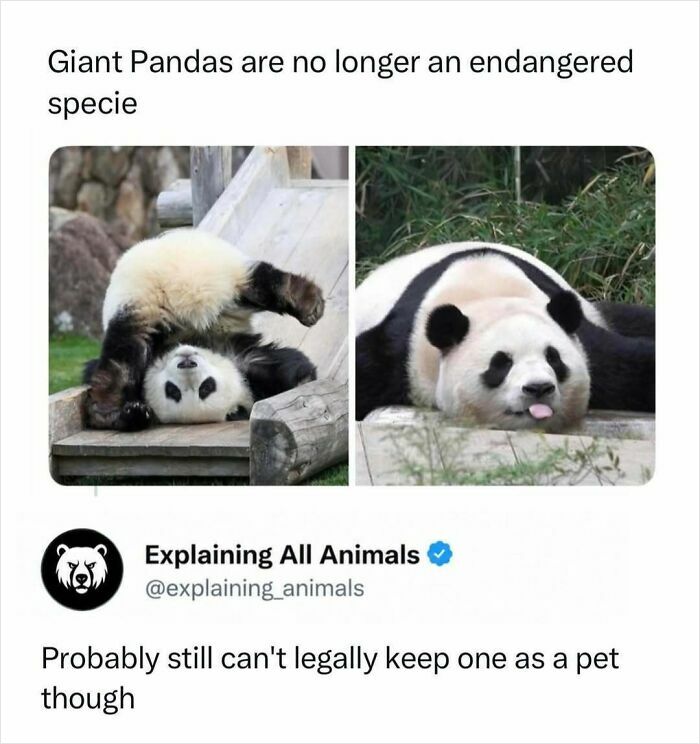
The giant panda is one of the world’s greatest conservation success stories. After decades of dedicated efforts in China, the species was removed from the endangered list when the International Union for Conservation of Nature reclassified it as “Vulnerable” in 2016. Expanded protected bamboo forests, habitat restoration projects, and stronger anti-poaching measures helped increase wild panda populations and improve their long-term chances of survival.
Today, an estimated 1,800-2,000 giant pandas live in the wild, a significant recovery from the dangerously low numbers seen in previous decades. While pandas still face challenges such as habitat fragmentation and climate change, their comeback demonstrates how coordinated conservation programs can help reverse the decline of an iconic species and protect biodiversity for future generations.
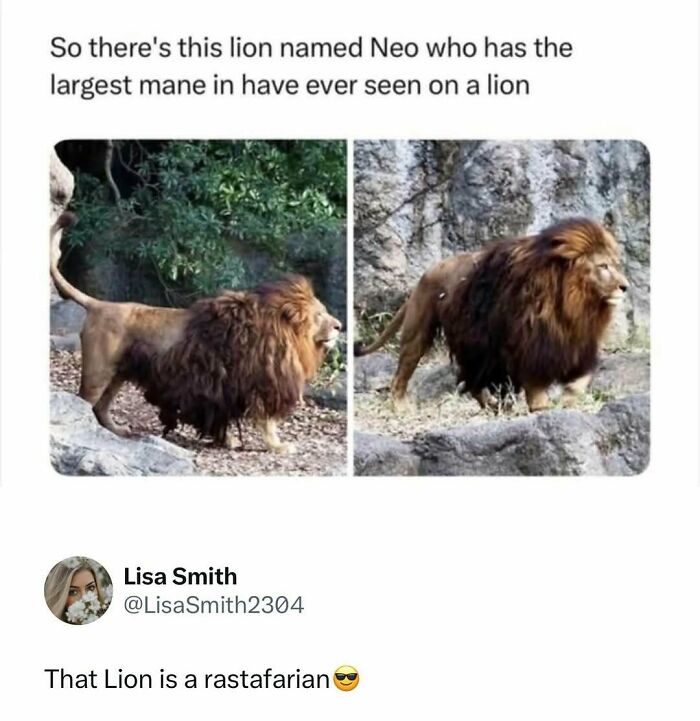
Neo the lion has become an internet sensation thanks to his extraordinary mane, earning the nickname “The Mane Character.” His thick, dark fur spreads far beyond the usual lion’s mane, flowing across his chest and down his underside in a dramatic display that makes him look almost mythical. While most lions have shorter, lighter manes, Neo’s impressive coat gives him a commanding appearance that instantly captures attention and makes him stand out as the undeniable star of his pride.
Scientists believe that unusually thick manes like Neo’s can develop because of cooler environments, strong genetics, or higher hormone levels that encourage dense fur growth. In the wild, a large mane may also help a lion appear more intimidating to rivals and more attractive to potential mates. Neo’s viral fame shows how even small differences in nature can fascinate people around the world, turning one majestic lion into a true celebrity of the animal kingdom.
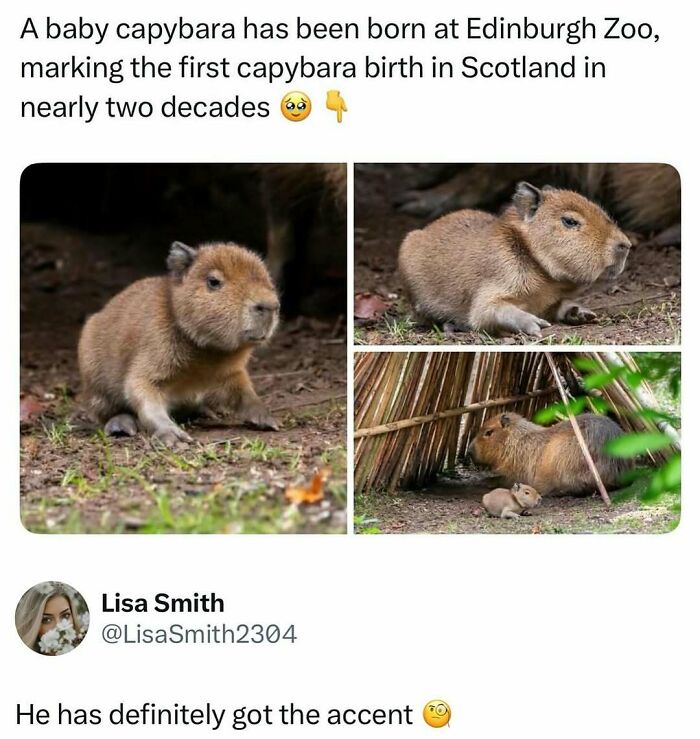
Edinburgh Zoo recently celebrated the birth of an adorable capybara pup, the first capybara born in Scotland in 18 years. The tiny “babybara” was born to first-time parents Luna and Rodney and has already captured attention for its curious personality and fluffy appearance. Zoo keepers say the newborn is beginning to explore its habitat while staying close to its mother, learning important social behaviors from the rest of the herd. Like all capybara pups, the baby was born surprisingly well-developed and can already walk, swim, and communicate using soft chirps and barks.
Capybaras are native to South America and are famous for being the world’s largest rodents, as well as for their calm and friendly nature. Their relaxed attitude around other animals has made them huge internet stars, with countless photos and videos showing them peacefully sharing space with birds, monkeys, and even crocodiles. The new pup’s arrival has become especially exciting because capybara births in Scotland are so rare, and many people consider baby capybaras among the cutest animals found in zoos today. In the coming weeks, zoo staff will perform the pup’s first health check, when its gender and official name will finally be announced.
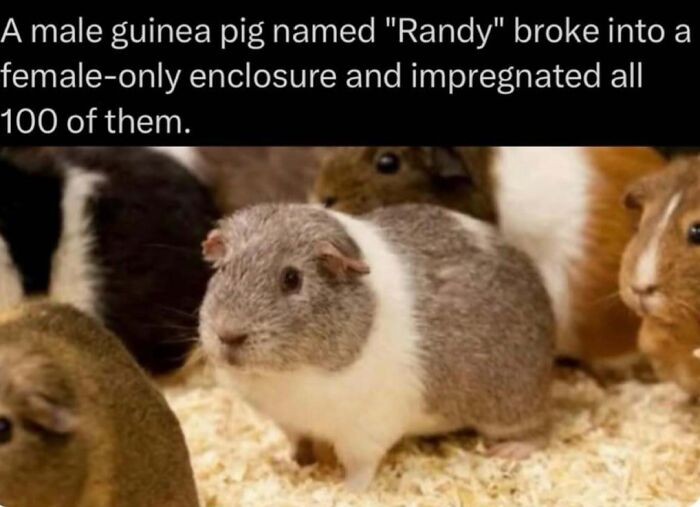
In 2014, an unusual and amusing incident unfolded at Hatton Adventure World when a determined male guinea pig nicknamed “Randy” managed to sneak into a female-only enclosure. For weeks, he lived undetected among nearly 100 females, blending in so well that staff had no idea anything was wrong. The mystery only came to light when caretakers noticed an unusual trend- almost every female in the enclosure was gaining weight. Upon investigation, they discovered a noticeably thinner and thoroughly exhausted Randy hiding within the crowd.
The aftermath of his unexpected “mission” was nothing short of extraordinary. Guinea pigs typically produce small litters, but Randy’s extended stay led to a dramatic population surge, resulting in nearly 400 offspring. The sanctuary was forced to expand its facilities to accommodate the sudden influx of new arrivals. Once removed and returned to the male enclosure, Randy became something of a legend among the staff, who joked that he must have quite the story to tell- an amusing reminder of how even small animals can create very big surprises.
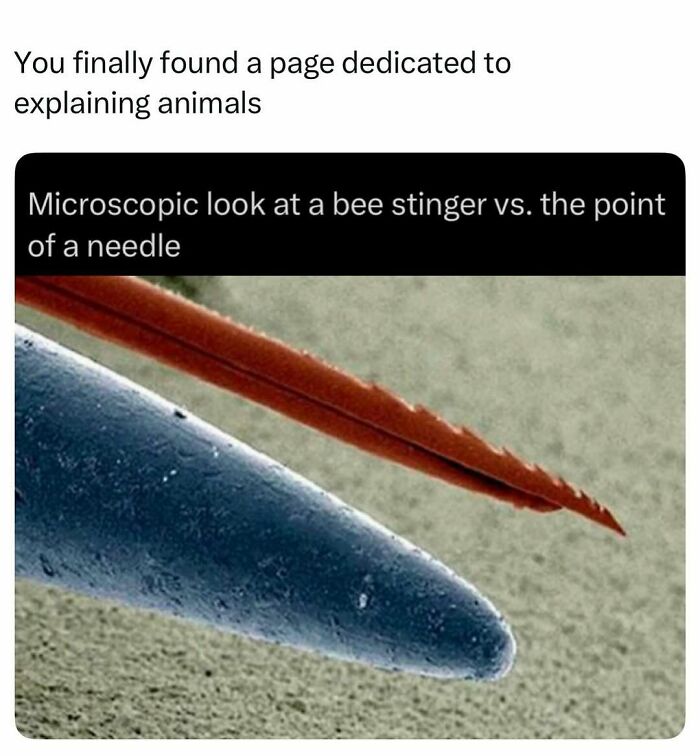
A honey bee’s sting is uniquely designed with a barbed, saw-like structure that serves a precise defensive purpose. When the bee stings a mammal, these barbs anchor the stinger firmly into the skin, ensuring that venom is effectively delivered. This mechanism helps protect the hive by deterring predators, making the sting an effective, if extreme, survival tool. Unlike smoother stingers found in some other insects, the honey bee’s barbed design prevents easy withdrawal once it penetrates soft skin.
However, this adaptation comes at a great cost to the bee itself. As it attempts to fly away, the embedded stinger is ripped from its body, tearing away part of its abdomen along with vital organs. This results in the bee’s death, making the act of stinging a one-time, sacrificial defense. In this way, the honey bee demonstrates a remarkable example of biological self-sacrifice, prioritizing the safety of the colony over individual survival.
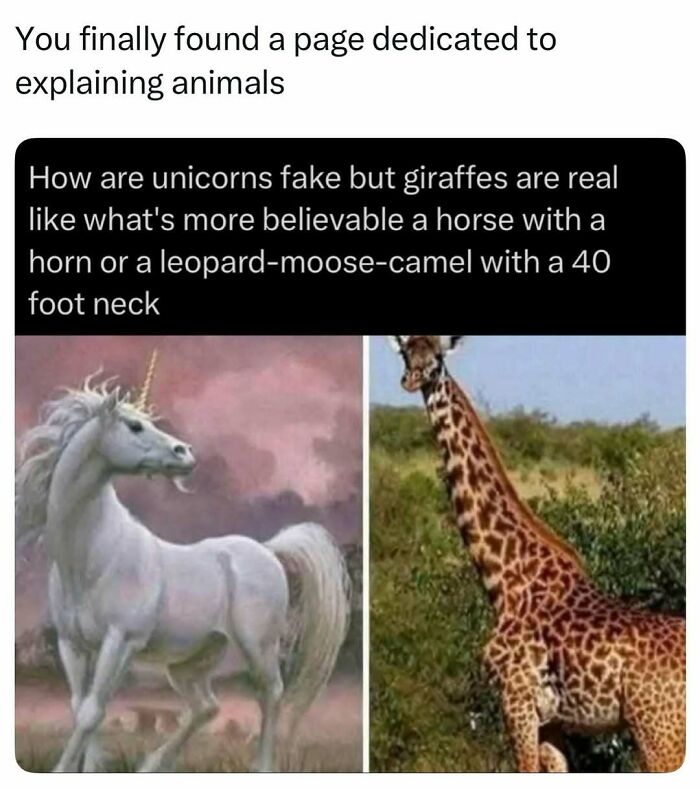
Unicorns are legendary creatures often described as horse-like animals with a single spiraling horn on their foreheads. Stories about them appear in many ancient cultures, including Greek, Chinese, and European traditions. In medieval times, people even believed unicorn horns had magical healing powers. These myths may have been inspired by real animals such as the Indian rhinoceros, the Arabian oryx, or fossil discoveries of the extinct Elasmotherium, which had a large single horn.
Despite these possible inspirations, there is no scientific evidence that true unicorns (horse-like animals with a single horn) ever existed. Biology and the fossil record show no trace of such a species, making it extremely unlikely that unicorns lived alongside humans. However, myths often grow from misunderstandings of real animals, unusual fossils, or symbolic storytelling. Because of this, unicorns remain powerful symbols of magic and imagination, even if their existence in the real world is very improbable.
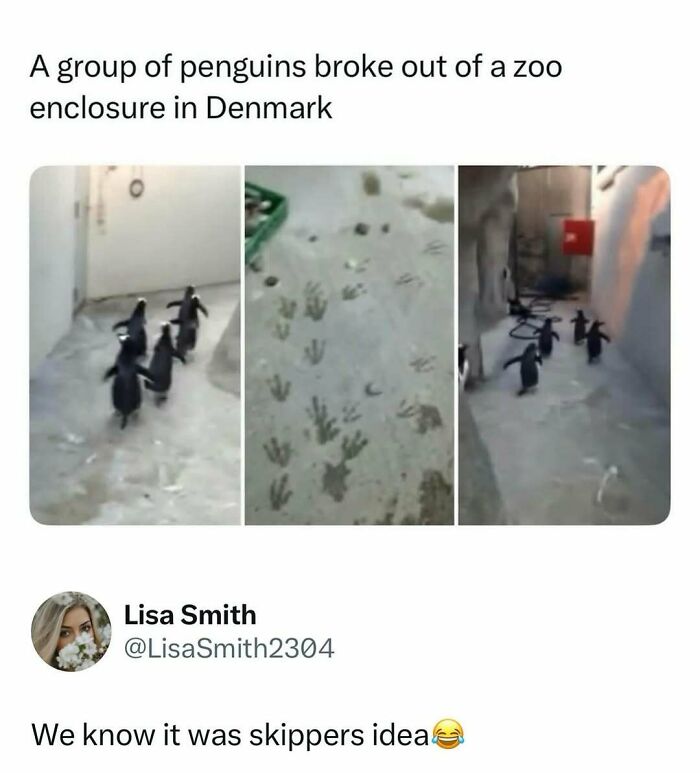
The viral “smile and wave” penguin meme became even funnier once people learned it was inspired by a real escape. In 2015, a group of gentoo penguins at Odense Zoo managed to wander out of their enclosure and shuffle through a staff corridor before zoo workers guided them back. Photos of their tiny wet footprints trailing across the floor quickly spread online, with many people joking that the penguins looked completely calm and professional during their little adventure.
The internet instantly connected the scene to the famous penguins from DreamWorks’ Madagascar series and the spin-off Penguins of Madagascar. Those characters are known for acting like secret agents and repeating the iconic line, “Smile and wave, boys.” Because of that connection, the real-life escape felt like something straight out of the movies, turning a simple zoo incident into one of the internet’s most beloved animal jokes.
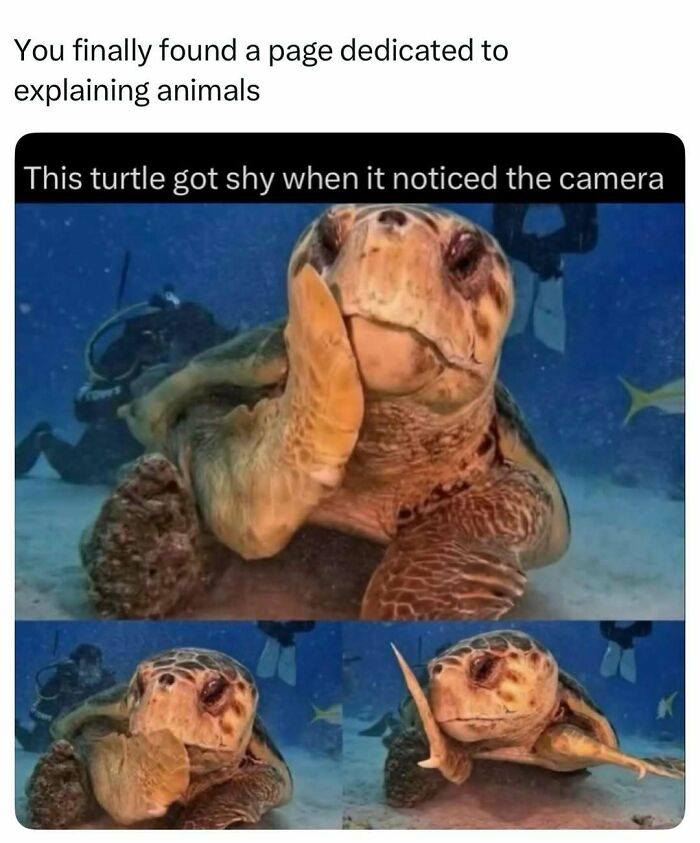
Turtles come in a surprising range of types, from land-dwelling tortoises to freshwater swimmers and fully aquatic ocean species. Among the most familiar are the red-eared slider, painted turtle, and box turtle. Red-eared sliders are especially common as pets, known for their active, curious nature and their tendency to bask together in groups. Painted turtles are generally calmer, often spending long hours quietly sunning themselves, while box turtles, which live mostly on land, are more shy and prefer to stay hidden until they feel safe. Despite their slow reputation, many turtles are quite alert and responsive to their surroundings.
Sea turtles, such as the green sea turtle and loggerhead sea turtle, live entirely different lives in the open ocean, traveling thousands of miles across vast distances. Green sea turtles are known for their calm demeanor and mostly plant-based diet, while loggerheads are more robust, using their powerful jaws to crush hard-shelled prey. Across all species, turtles are remarkably long-lived, often surviving for decades, and rely more on instinct than social bonds. Even so, each type displays its own subtle “personality” through its behavior, activity level, and reactions to the world around it.
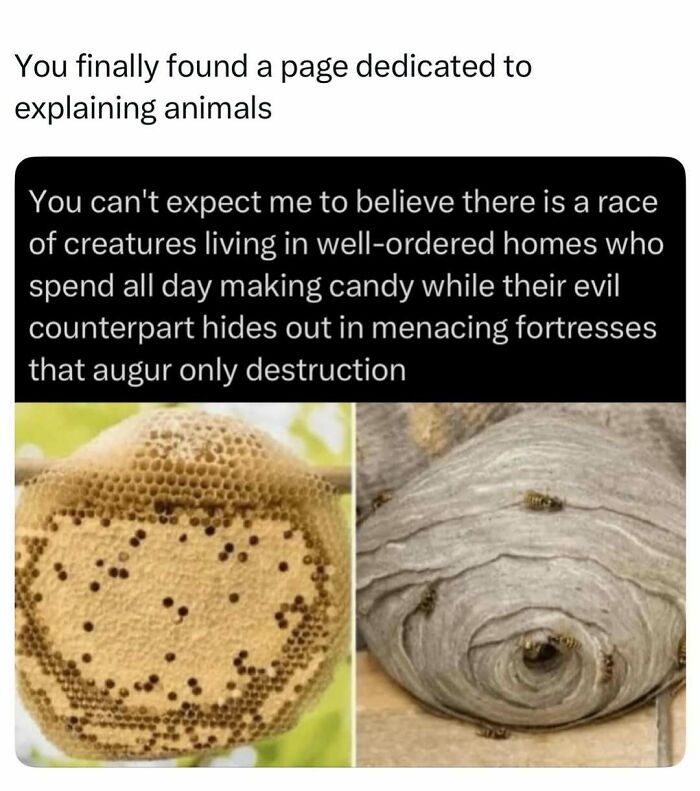
The contrast between bees and wasps often feels like something out of a storybook: one group living in neat, cooperative hives, producing honey and symbolizing harmony, while the other seems harsher, more solitary, and quick to defend itself. Bees, especially species like the Western honey bee, are widely associated with productivity and sweetness, shaping their reputation as nature’s gentle workers. Wasps, on the other hand, tend to build paper-like nests, hunt other insects, and react more aggressively when threatened, which has earned them an undeserved “villain” label in popular imagination.
If you were to give wasps a fitting villain theme, it would lean into their precision and intensity rather than simple evil. Their “aesthetic” might resemble something like the Sith from Star Wars- cold, efficient, and formidable rather than chaotic. A wasp colony’s theme could center on sharp angles, dark gold and black tones, and an atmosphere of calculated power, reflecting their role as hunters and defenders in the ecosystem. In reality, though, wasps are not villains at all, they are essential for controlling pests and maintaining ecological balance, even if their style feels a bit more intimidating.
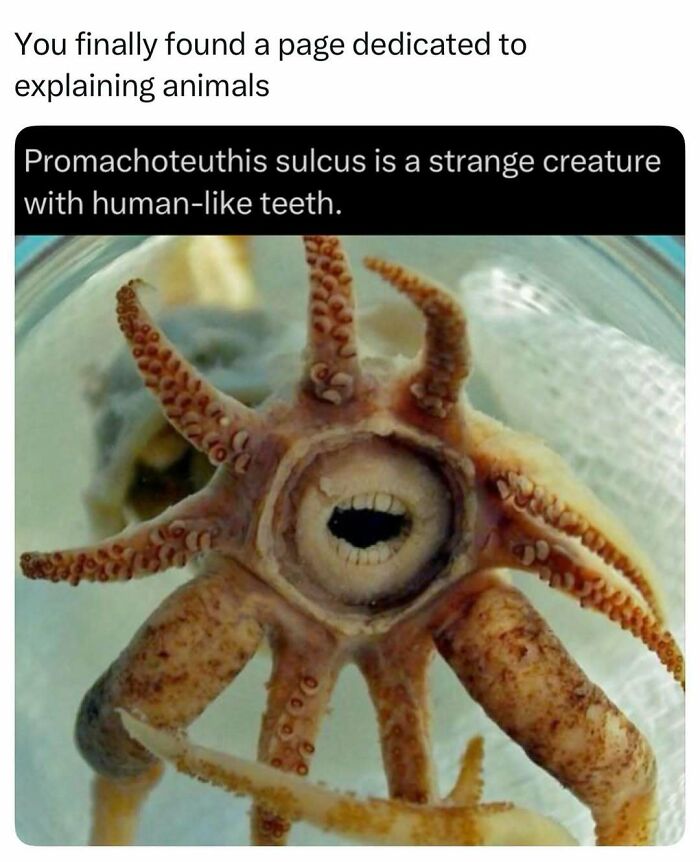
Promachoteuthis sulcus, a unique deep-sea squid, has captured attention due to its striking “human-like” teeth. However, these so-called teeth are not true teeth but rather part of the squid’s radula, a chitinous band of tooth-like structures used to grasp and shred its prey. This adaptation allows the squid to feed effectively in the dark, extreme depths of the ocean.
Discovered in the deep ocean, Promachoteuthis sulcus is part of a rare group of squid and remains largely understudied due to its elusive nature and scarcity. Its peculiar features highlight the incredible and often bizarre adaptations of deep-sea organisms, which have evolved to thrive in some of the planet’s most hostile environments, where survival demands specialized traits and behaviors.
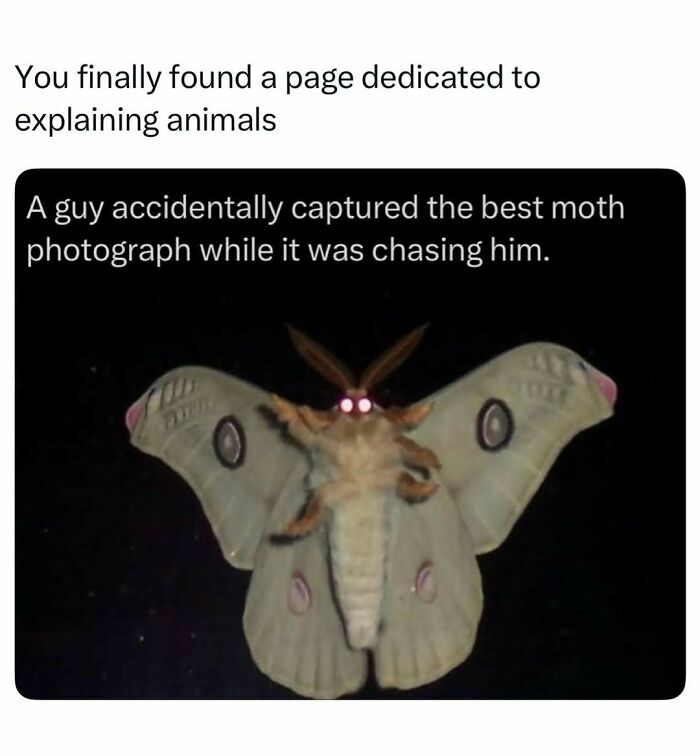
Moths are often seen circling flames and porch lights at night, a behavior that has puzzled people for centuries. Scientists believe this happens because many moth species navigate using the moon as a natural compass. By keeping the moon at a steady angle in the sky, moths can travel in relatively straight lines across long distances in the dark.
Artificial lights confuse this system. When moths mistake a nearby lamp or flame for the moon, their navigation breaks down. Instead of flying straight, they continually adjust their angle to the light, causing them to spiral toward it. This simple navigational error explains why moths gather around lights and sometimes fly dangerously close to flames.
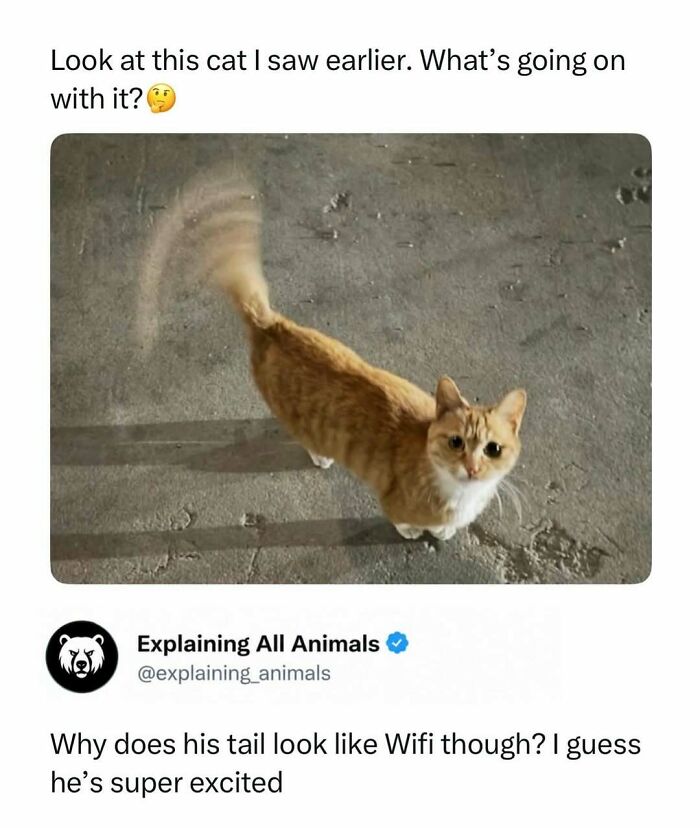
A cat’s tail is one of its most important tools for communication, helping express emotions and intentions in subtle but clear ways. A raised tail often signals confidence or friendliness, while a puffed-up tail can indicate fear or surprise. Even small movements, such as flicking or twitching, may reveal irritation, focus, or excitement, making the tail a valuable indicator of a cat’s mood.
Beyond communication, the tail plays a crucial role in balance and coordination. It helps cats maintain stability while climbing, jumping, and making sharp turns, especially in narrow or elevated spaces. The smooth and graceful movement of a cat’s tail contributes to the agility that felines are known for, making it both a practical tool and one of their most recognizable features
When my cats are happy or excited about something, sometimes they vibrate their tails slightly. It's sort of like a contained twitching, definitely not anywhere close to wagging XD If a cat's tail is wagging or lashing very hard, it may be about to swat you! XD
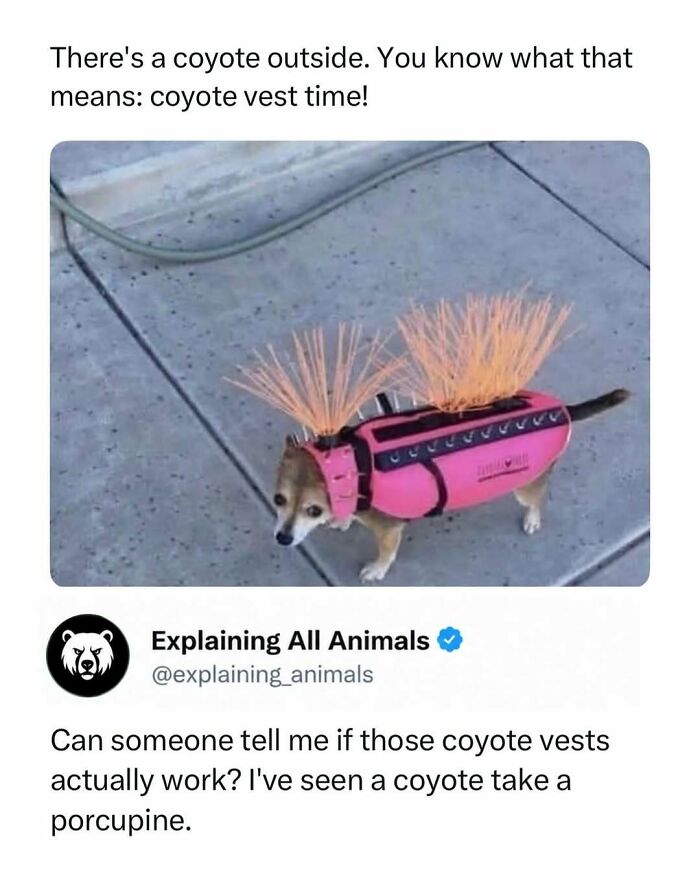
Coyote vests are protective garments designed to help keep small dogs safer from attacks by predators such as coyotes. These vests are typically made from tough, puncture-resistant materials and often feature brightly colored spikes or whisker-like attachments that make a dog appear larger and more difficult to grab. While they do not guarantee protection, they can discourage an attack by making a predator think twice before approaching.
The vests have become increasingly popular in areas where wildlife and pets frequently share space. Many dog owners use them during walks, hikes, or outdoor playtime, especially for smaller breeds that may be more vulnerable to predators. Coyote vests are best viewed as one layer of protection alongside supervision, leashes, secure fencing, and awareness of local wildlife activity.
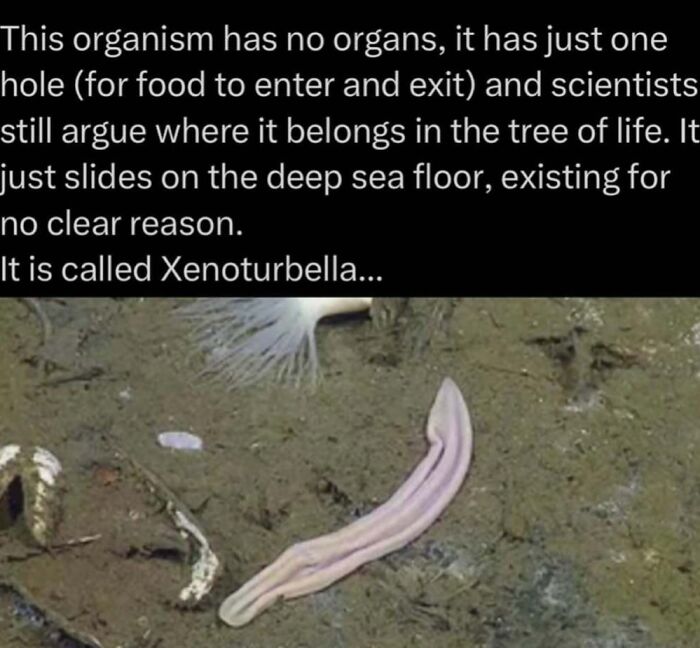
Xenoturbella was first described in 1949 after scientists discovered a strange, soft-bodied creature in deep-sea samples from the North Atlantic Ocean. Its appearance puzzled researchers because it looked extremely simple, lacking many of the organs normally found in animals. Some scientists even wondered if it was not a real species at all, but instead a damaged larva from another organism. For many years, the true identity of Xenoturbella remained one of zoology’s biggest mysteries.
Early studies mistakenly linked Xenoturbella to mollusks after traces of mollusk DNA were found inside it, but scientists later realized this DNA came from prey the animal had eaten. More advanced genetic research eventually showed that Xenoturbella belongs to a very ancient branch of bilaterian animals, making it important for understanding early animal evolution. Even today, researchers continue debating exactly where it fits on the evolutionary tree, adding to its reputation as one of the ocean’s most mysterious creatures.
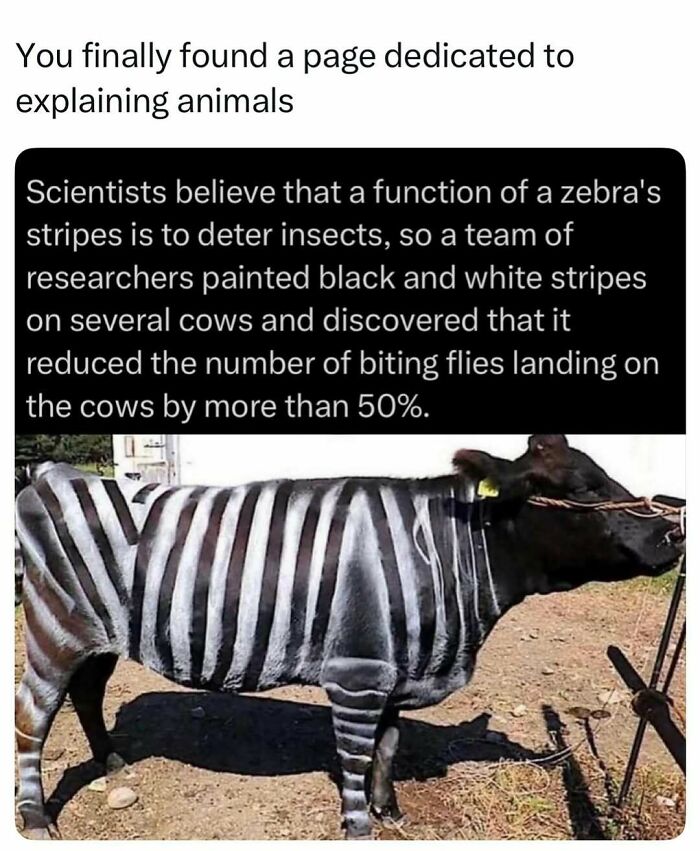
Scientists have long debated why zebras evolved their distinctive black-and-white stripes, and recent research points to a practical answer: protection from biting insects. A notable 2019 study conducted by researchers in Japan and the UK tested this idea by painting cows with zebra-like stripes. Compared to unpainted cows, the striped animals attracted more than 50% fewer biting flies. The high-contrast pattern appears to disrupt the insects’ vision and motion detection, making it harder for them to land and feed.
This finding has meaningful implications beyond scientific curiosity. Biting flies are not just a nuisance, they can stress livestock, lower milk production, and spread disease. By applying zebra-like striping to cows, farmers may reduce these harms without relying heavily on chemical pesticides. Once again, insights from evolutionary biology demonstrate how solutions found in nature can inspire simple, effective innovations in agriculture.
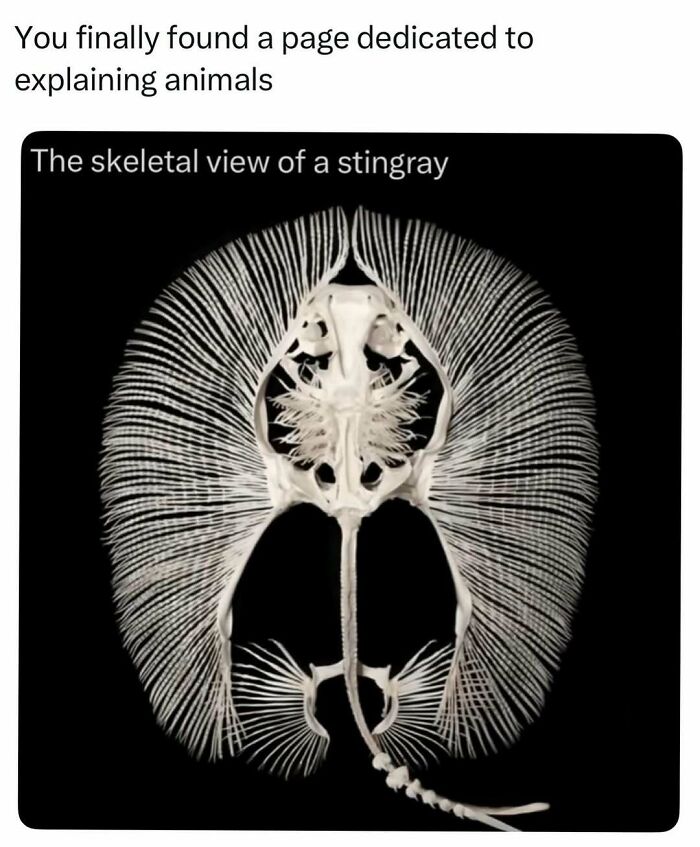
Stingrays differ from most fish because they have a cartilaginous skeleton rather than true bone, similar to sharks. Their broad, wing-like bodies are actually enlarged pectoral fins, supported by flexible cartilage rods that allow them to glide smoothly through the water. This unique structure gives them a graceful, almost ghost-like movement beneath the surface.
Their body design is highly specialized for life along the ocean floor. With the mouth and skull located on the underside and a long tail that may carry a venomous spine, stingrays are well-equipped for both feeding and defense. Altogether, their form enhances stability, camouflage, and efficient movement, making them perfectly adapted to their environment.
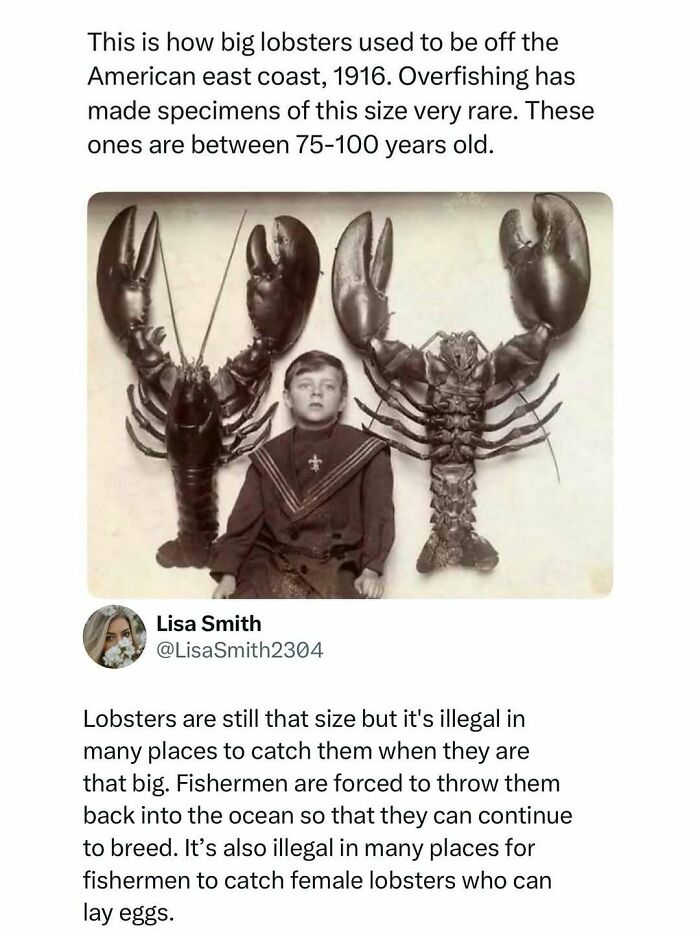
American lobsters are some of the longest-living crustaceans in the ocean, and they never truly stop growing. Scientists believe that if a lobster avoids predators, disease, and fishing nets, it can survive for many decades and possibly close to a century. Because lobsters molt by shedding their hard shells and growing new ones, they can slowly become enormous over time. Historical photographs from the early 1900s showing giant lobsters caught off the US East Coast are genuine, with some specimens weighing more than 40 pounds. According to National Oceanic and Atmospheric Administration, lobsters continue growing throughout their lives because of this unusual molting process.
Huge lobsters are much rarer today, not because they stopped existing, but because few survive long enough to reach such incredible sizes. Commercial fishing often removes older lobsters before they can become giants, which has changed the average size seen in modern waters. To help protect lobster populations, many fisheries now safeguard egg-bearing females and limit the capture of very small or extremely large lobsters. Despite old sea stories, giant lobsters were never dragging sailors underwater, but these massive creatures still reveal how dramatically ocean ecosystems and fishing pressures have changed over the last century.
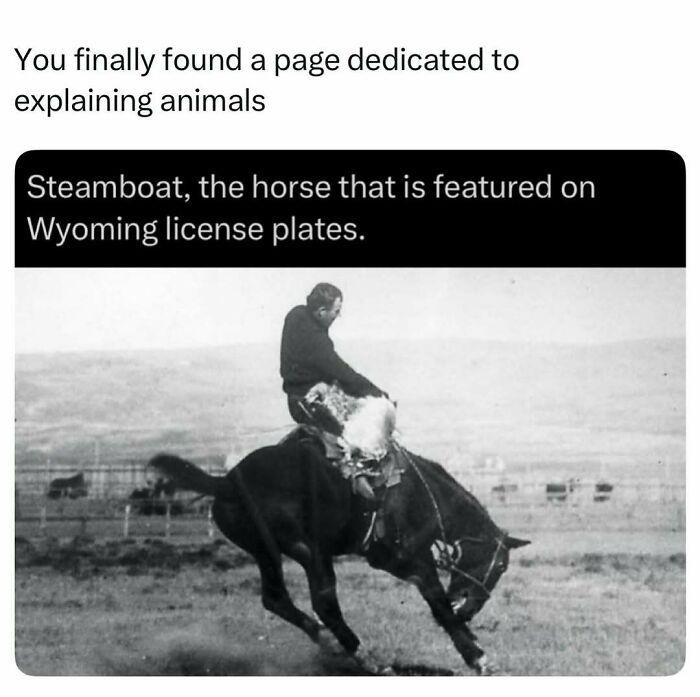
Steamboat was a celebrated bucking horse of the American West whose powerful image came to represent untamed strength and independence. Photographs of the horse mid-buck capture more than a single dramatic moment, they preserve a time when horses were essential to ranch life and to a cultural identity rooted in resilience and self-reliance. In these images, the rider appears small against the force of the animal and the openness of the land, while fences and distant cattle anchor the scene in the realities of a working ranch shaped by nature’s rhythms.
Over time, Steamboat’s image evolved from a real animal into a lasting symbol. His silhouette was stylized into an emblem that now appears on Wyoming license plates, often called the most photographed horse in American history. This transformation from living creature to cultural icon shows how communities turn everyday experiences into enduring myths, and how images like these helped define a national vision of the American West at a moment when modern life was beginning to change it forever.
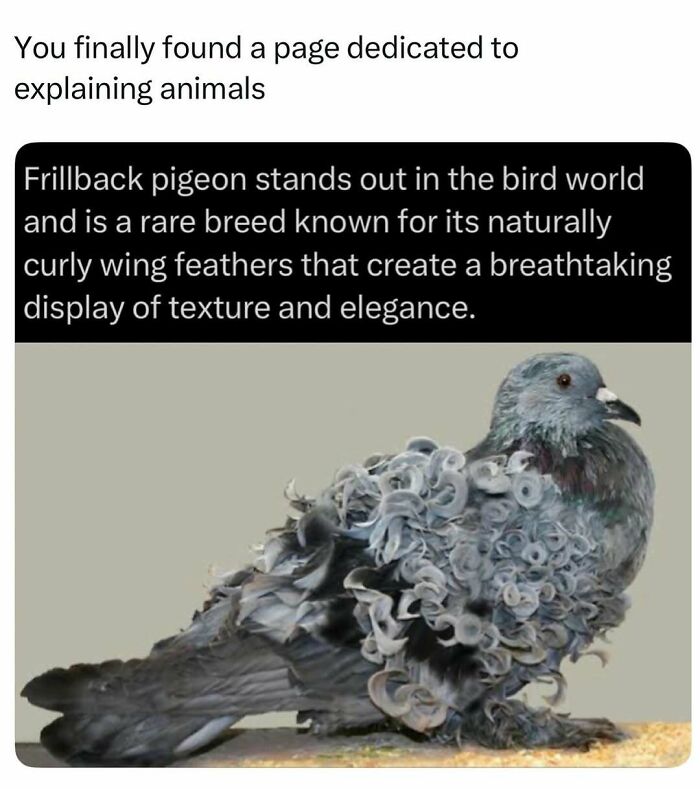
The Frillback pigeon stands out in the bird world for its extraordinary appearance, most notably its naturally curly wing feathers that form tight, elegant spirals. Unlike any other pigeon breed, the curls called ‘frills’ cover the wing shields and create a breathtaking display of texture and refinement. This ornamental breed is admired not for flight performance, but for its striking beauty and graceful posture, making it a favorite among aviculturists and exhibition breeders.
The Frillback pigeon originated in the regions of Southeastern Europe and Asia Minor, with historical roots tracing back several centuries. Over time, selective breeding enhanced the dramatic curl of its feathers, transforming it into one of the most distinctive fancy pigeon varieties in the world. Today, it remains a rare and treasured breed, celebrated for both its uniqueness and its elegant, almost regal presence.
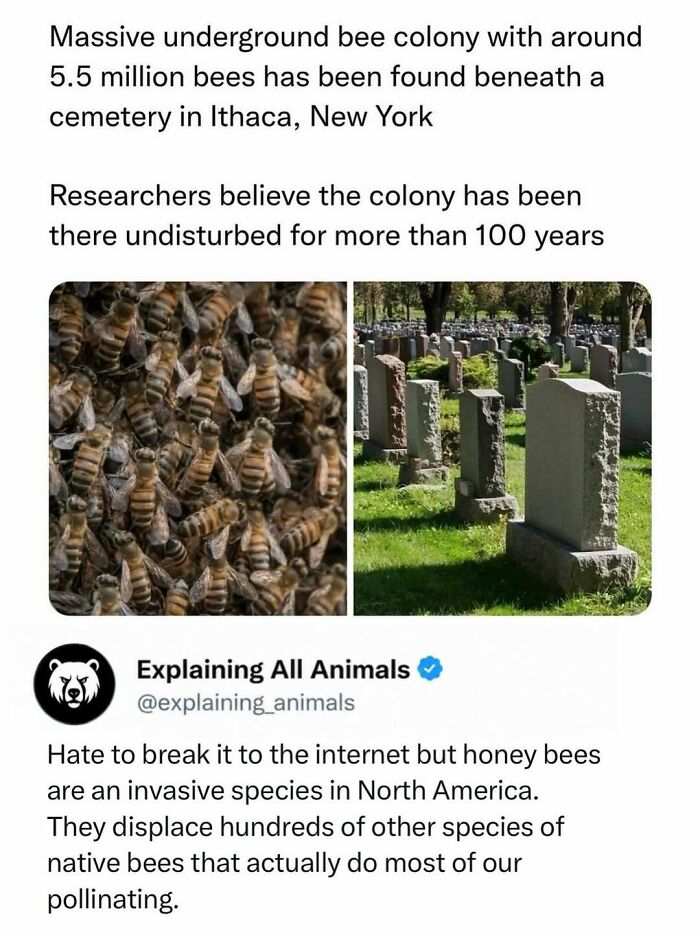
The discovery of an enormous underground honey bee colony beneath a cemetery in Ithaca, New York, captured people’s imaginations because of its sheer scale. Researchers estimated that roughly 5.5 million bees may have occupied the site over more than a century, creating what sounds almost like a hidden city beneath the ground. The idea of millions of bees quietly thriving beneath a peaceful cemetery for generations struck many people as both fascinating and slightly absurd, prompting jokes about nature’s boldness and independence.
Much of the public reaction centered on the belief that the colony should simply be left alone. After all, if a bee population has managed to flourish undisturbed for decades, many argue there is little reason to interfere. The story highlights a broader appreciation for wild ecosystems that exist beyond human attention, reminding us that some of nature’s most remarkable achievements can unfold quietly in the background, requiring neither publicity nor intervention to succeed.
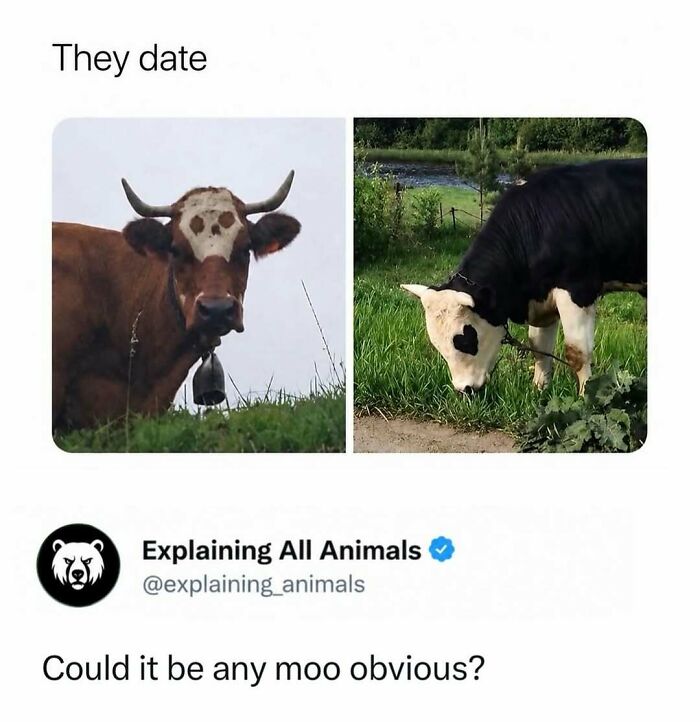
Some cattle develop remarkably unusual coat patterns, including shapes that resemble stars, hearts, masks, or even skulls. These markings occur naturally because of variations in pigmentation and hair growth during development, making every animal’s appearance unique. Farmers and breeders have long relied on distinctive facial markings to help identify individual cattle within large herds.
These rare patterns often attract attention online because people are naturally inclined to recognize familiar images in random designs. This tendency, known as pareidolia, causes the brain to see meaningful shapes where none were intentionally created. As a result, a cow with a heart-shaped patch or a skull-like marking can appear almost designed by nature, even though it is simply an uncommon result of genetics and pigmentation.
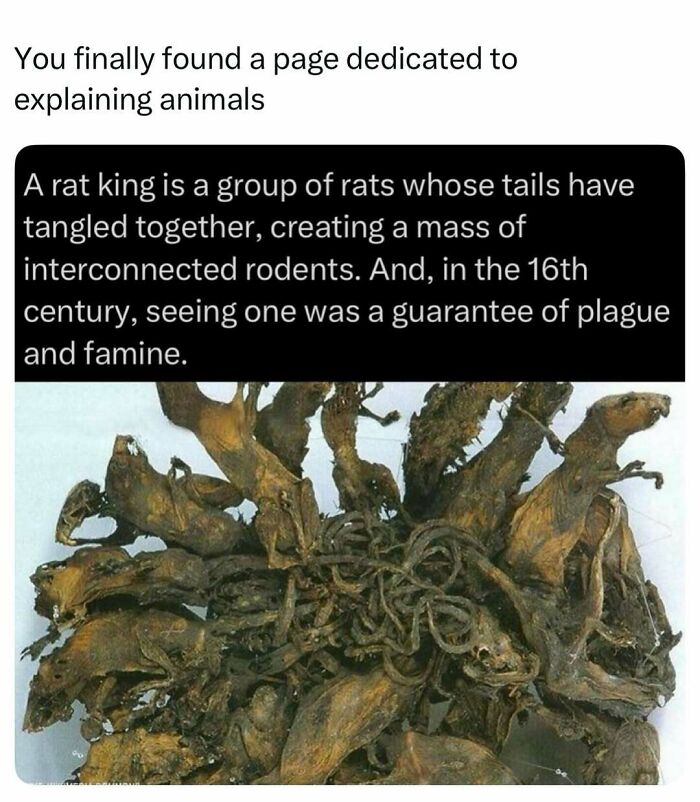
A rat king is a strange and unsettling phenomenon in which multiple rats become bound together by their tails, forming a writhing knot of interconnected bodies. This can happen when tails become tangled and stuck with substances like dirt, blood, or ice, eventually hardening and trapping the animals together. Though rare and still debated by scientists, preserved specimens and historical accounts suggest that such occurrences did exist, capturing human imagination for centuries.
In the 16th century, when fear of disease shaped everyday life, the sight of a rat king carried ominous meaning. Rats were already closely associated with the spread of the plague, so a cluster of them fused into one grotesque mass seemed like a supernatural warning. People believed it foretold disaster- plague, famine, or societal collapse, turning the rat king into a powerful symbol of dread in early European folklore.





































 No fees, cancel anytime