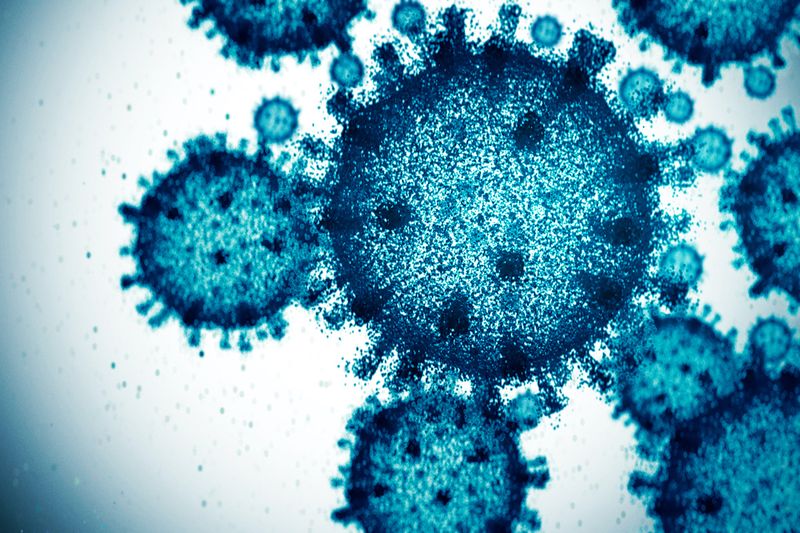
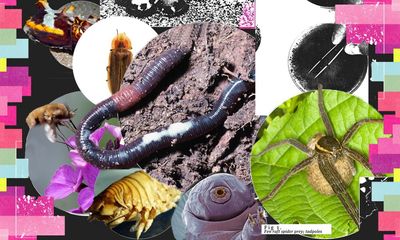
Viruses are in us. And are us. It's ok. Viruses are in us. They're even part of us. Now researchers want to map the human virome Salon · Jun 1, 2025
Single gene may help explain the plague's persistence throughout human history Alterations to a single gene in the plague bacterium's genome have shed light on a method the germ has used to survive and spread through the ages. LiveScience · May 29, 2025
Improving Arctic food security through DNA science and respectful collaboration with Indigenous Peoples Over three-quarters of adults in Inuit Nunangat face food insecurity, a rate more than six times the Canadian national average. This statistic reflects not only limited access to market food but also the disruptions to Arctic ecosystems impacting traditional food availability. The Conversation · May 26, 2025
New CRISPR alternative can 'install' whole genes, paving the way to treatment for many genetic disorders A new gene editor takes advantage of CRISPR-associated proteins to insert whole genes into the genome, scientists report. LiveScience · May 15, 2025
"De-extincting" species is a distraction "De-extinction" takes center stage as environmentalists express dismay over erosion of the Endangered Species Act Salon · May 15, 2025
Immune genes linked to bigger brains and longer lifespans in mammals — including humans The genomes of long-living, big-brained mammal species reveal that they carry more copies of immunity genes. Experts speculate that these genes may affect longevity. LiveScience · May 14, 2025
How your genes interact with your environment changes your disease risk − new research counts the ways Sitting in my doctor’s examination room, I was surprised when she told me, “Genetics don’t really matter for chronic disease.” Rather, she continued, “A person’s lifestyle, what they eat, and how much they exercise, determine whether they get heart disease.” The Conversation · May 14, 2025
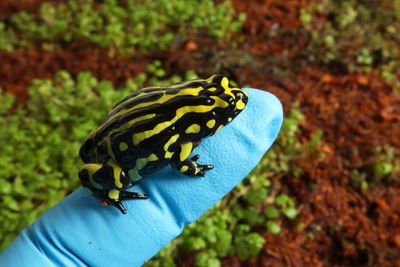
Scientists hope sequencing genome of tiny ‘functionally extinct’ frog could help save it Corroboree frog belongs to 100m-year-old family of amphibians but is now found only in the puddles and peat bogs of Kosciuszko national park The Guardian - AU · Apr 30, 2025
Ancient DNA and modern genomes can reveal stories of past peoples, from the Iron Age to Chernobyl, geneticist says Ingrida Domarkienė, a geneticist at Vilnius University in Lithuania, discusses the exciting developments made possible by studying ancient and modern DNA. LiveScience · Apr 24, 2025
The Sentiment Genome: BSX Stock Could Be Entering a High-Probability Setup With the market signaling a hot deck, risk-tolerant speculators will want to keep close tabs on BSX stock over the next week. Barchart · Apr 24, 2025
Can we really resurrect extinct animals, or are we just creating hi-tech lookalikes? From dire wolves to woolly mammoths, the idea of resurrecting extinct species has captured the public imagination. Colossal Biosciences, the Dallas-based biotech company leading the charge, has made headlines for ambitious efforts to bring back long-lost animals using cutting edge genetic engineering. The Conversation · Apr 10, 2025
Genetic data is another asset to be exploited – beware who has yours The bankruptcy of genealogy company 23andMe has resulted in a fire sale of millions of people’s genetic information – and there’s no shortage of eager buyers with questionable motives The Guardian - UK · Apr 5, 2025
Scientists warn African DNA is missing from the global genome map African scientists say the world is missing vital medical insights by ignoring the continent’s vast genetic diversity. Less than 2 percent of human genome sequencing worldwide comes from African populations. Radio France Internationale · Apr 4, 2025
Top genome scientists to map DNA sequence of invertebrate winner 2025 Sanger Institute’s Tree of Life team say genomes offer invaluable insight into how species will fare under climate crisis The Guardian - UK · Apr 3, 2025
The Conversation · Apr 1, 2025 How to engineer microbes to enable us to live on Mars A field known as synthetic biology has become one of the most highly anticipated in science. Its outputs range from golden rice, which is genetically engineered to provide vitamin A, to advances stemming from the Human Genome Project, which successfully mapped the entire human genome. Prominent voices in biotechnology have…
The Guardian - UK · Mar 26, 2025 ‘The field of human ancestry is rife with racism’: pioneering project to build cancer database in Africa Less than 2% of human genomes analysed so far have been those of Africans. Yemaachi Biotech’s Africa Cancer Atlas aims to fill the research gap
The Conversation · Mar 19, 2025 Evolution: features that help finding a mate may lead to smaller brains A longstanding question in evolutionary biology is how sexual selection influences how entire genomes develop. Sexual selection is where individuals with certain traits have higher reproductive success, leading to the spread of those traits throughout a species.
LiveScience · Mar 18, 2025 'Mystery population' of human ancestors gave us 20% of our genes and may have boosted our brain function A novel genetic model suggests that the ancestors of modern humans came from two distinct populations that split and reconnected during our evolutionary history.
LiveScience · Mar 13, 2025 Epigenetic 'scars' on the genome can be passed down by grandmothers, study finds In a story of collaboration and community, researchers identified intergenerational epigenetic changes caused by war and trauma in Syrian refugees.
LiveScience · Mar 11, 2025 East Asians who can digest lactose can thank Neanderthal genes Unique versions of the lactase gene found in the genomes of East Asian people may have increased in prevalence within the population over time because they bolstered immune responses against pathogens, new data reveal.
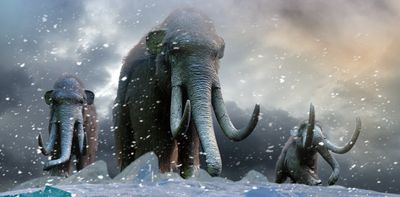
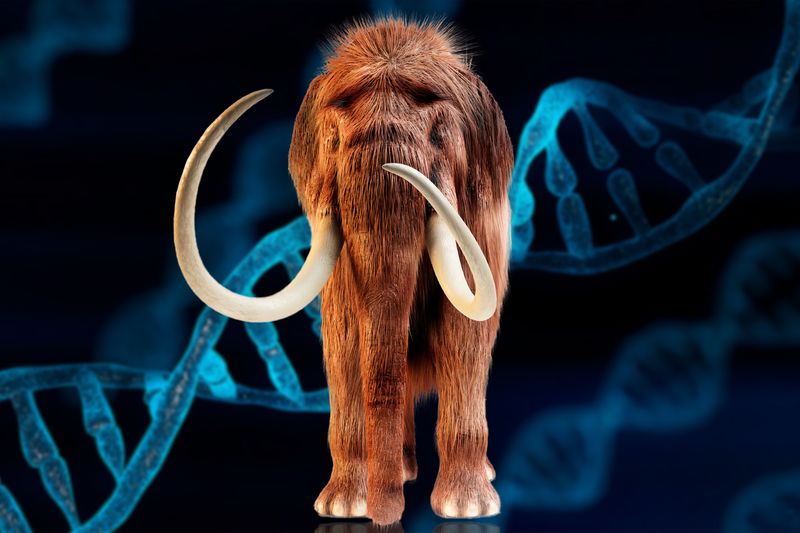
The Conversation · Mar 7, 2025 Woolly mice are a first step to resurrecting mammoths, but there’s a very long way to go US biotechnology company Colossal Laboratories and Biosciences has a radical proposal: it wants to resurrect the woolly mammoth from extinction. In a preprint paper published on March 4, scientists at Colossal report making a significant step towards this objective. They genetically modified the DNA of mice to give them mammoth-like…
The Guardian - UK · Mar 6, 2025 Reviving the woolly mammoth isn’t just unethical. It’s impossible At a time when US scientists are under attack from their own government, the illiteracy around these elephantine fantasies is dangerous, says geneticist Adam Rutherford
LiveScience · Feb 6, 2025 Massive study of 3 million people reveals genetic 'hotspots' linked to bipolar disorder A new study has greatly expanded the number of gene variants thought to be tied to bipolar disorder.
The Conversation · Feb 5, 2025 How to reproduce with two fathers – and no biological mother At the Third International Summit on Human Genome Editing, held in March 2023 at the Francis Crick Institute in London, Japanese researcher Katsuhiko Hayashi stunned attendees when he explained how he had successfully reproduced mice from two male parents.
The Times of India · Feb 3, 2025 IIT Madras launches first-of-its-kind cancer genome database Cancer is one of the most fatal health problems globally. A recent Indian Council of Medical Research (ICMR) report indicated that the number of people living with this deadly disease continues to rise. The National Cancer Registry Program reported that one in nine people in India are likely to develop…


















 The Conversation
 The Hindu
 LiveScience
 The Independent UK
 The Guardian - UK
 Medical Daily
 Inverse
 The Economic Times
 Salon
Salon
 The Times of India
 International Business Times
 Times Life
